Embossing vs Debossing: Choosing the Right Logo Finish for Luxury Leather Goods
Compare raised embossing, recessed debossing and foil branding on leather, with guidance on artwork, placement, material tests and sample approval.
Embossing creates a raised design; debossing creates a recessed impression. A blind mark uses no added ink or foil, while foil stamping adds a contrasting foil finish. For luxury leather goods, the right choice depends on the actual hide, surface finish, product construction and desired visibility—not on which technique sounds more premium. The terms are sometimes used loosely in a brief. If you want a logo pressed into the surface, specify a recessed or debossed result and provide a physical reference. If you want a raised mark, say so explicitly. This guide explains the decisions buyers can make before sampling, using real completed projects without attributing techniques that are not documented.
Define the result before discussing the process
A raised logo catches light above the surrounding surface. A recessed mark reads through shadow and texture within the leather. Either can be subtle or prominent depending on scale, contrast and the product shape. Blind describes the absence of added colour; it does not by itself specify whether a mark is raised or recessed. Foil is a separate visual decision. It can add colour or metallic contrast, but its appearance and wear need to be assessed on the intended material. Do not treat foil stamping, printing and relief as interchangeable terms. State the required result in words and images so the designer, buyer and production team are approving the same thing.
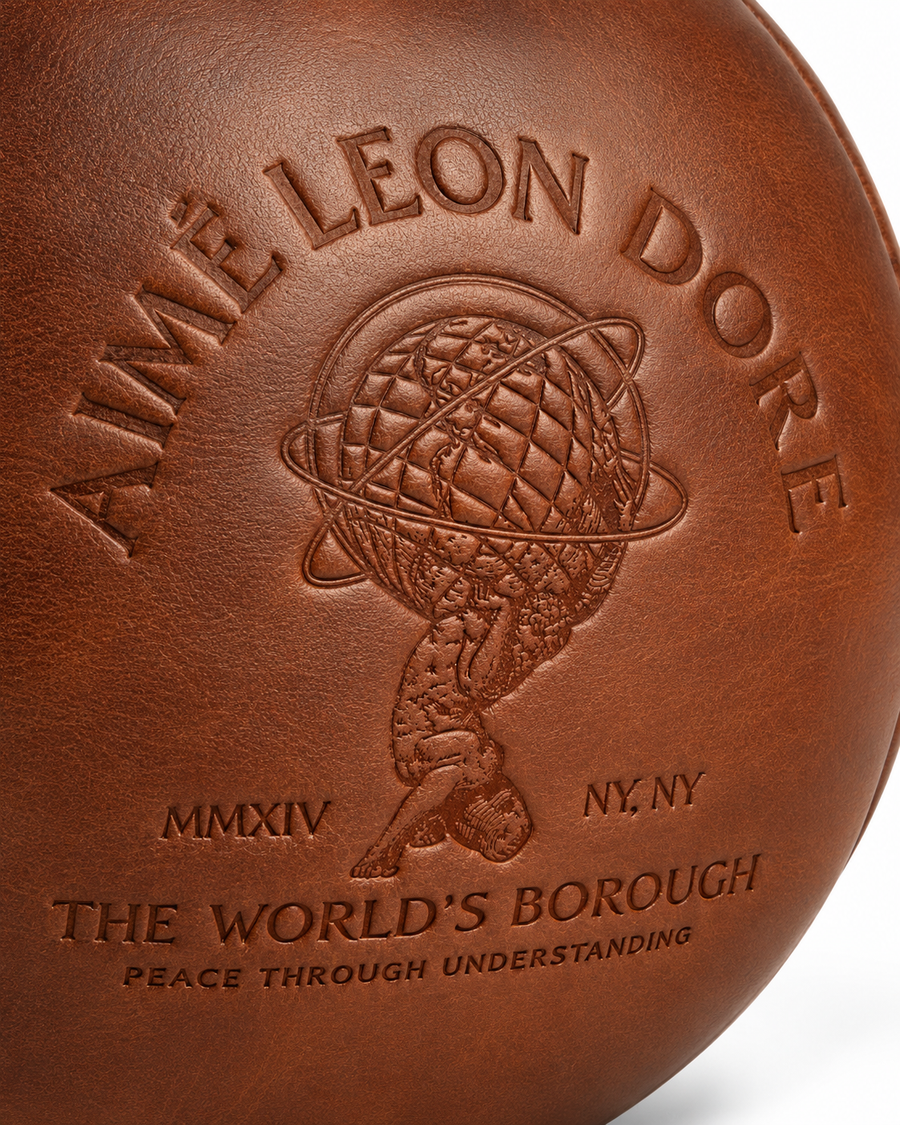
View the Aime Leon Dore project.
Judge the mark on the production leather
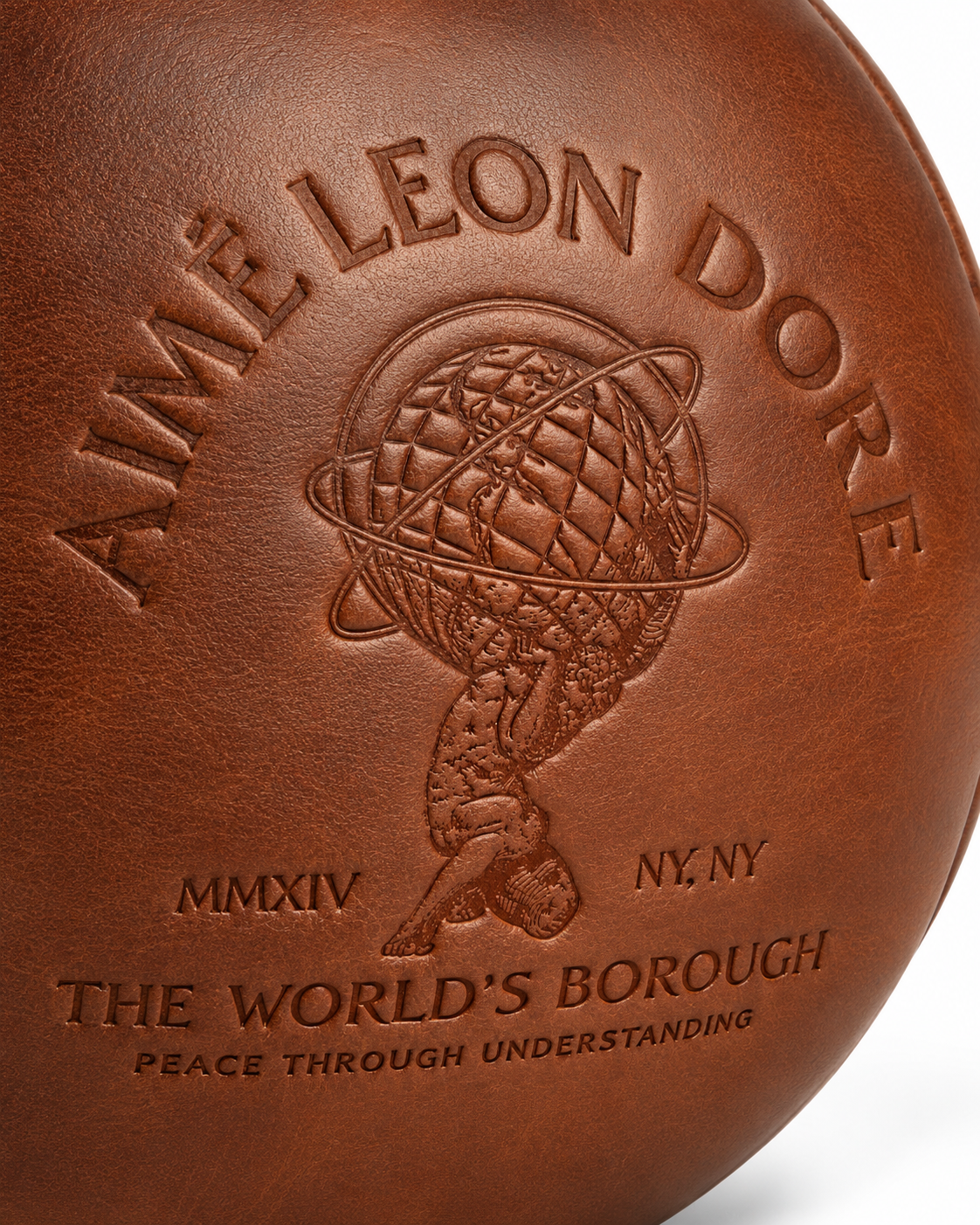
The Aimé Leon Dore kettlebell project documents debossed branding and provides a close-up reference for a recessed mark. Its curved leather surface is an important part of that example. A logo that looks clear on this piece may behave differently on a fine glove panel, a pebbled ball or a padded duffel section. Grain, finish, colour and backing all affect how detail reads. Review a sample on the intended production material rather than approving the logo solely on a smooth substitute swatch. Ask the team to explain any change between the sample construction and the final panel, including padding or curvature that could alter the impression.
Use blind branding when the material should lead
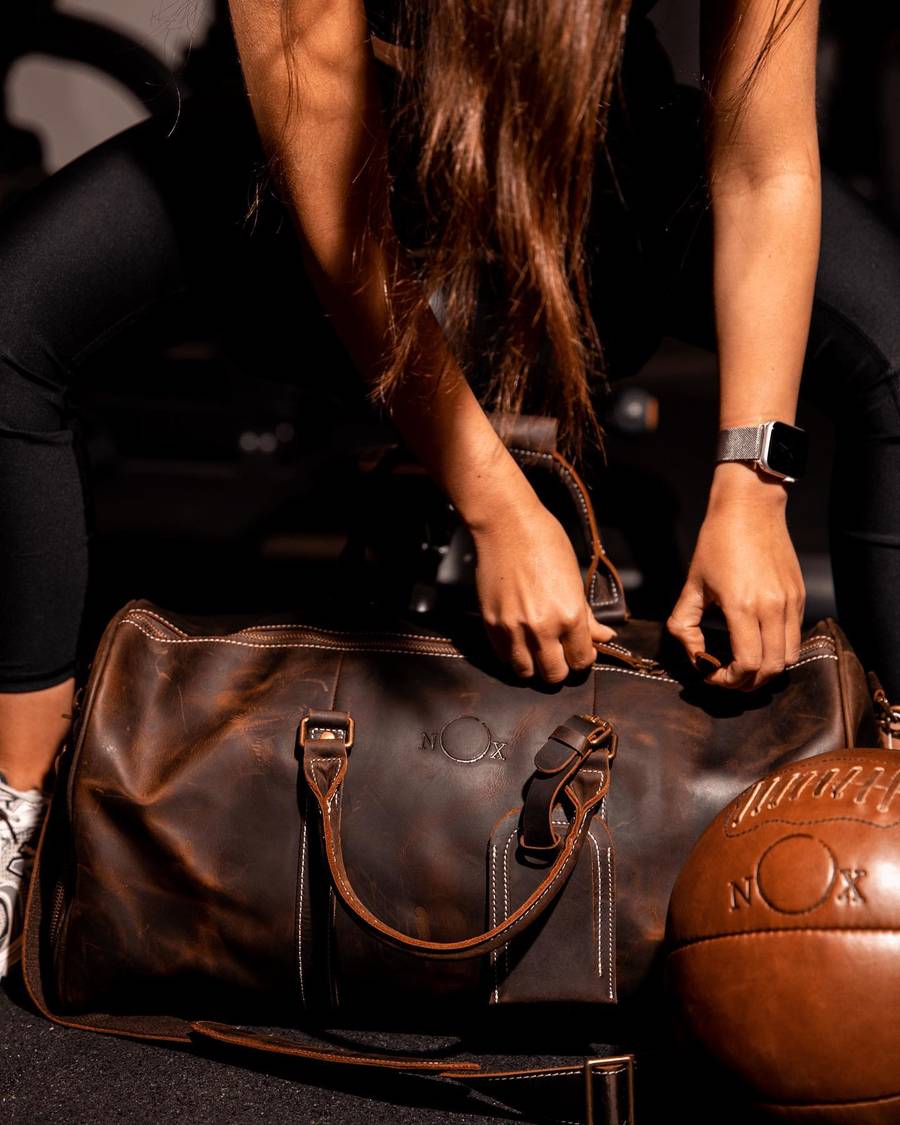
The Nox Vintage duffel-and-medicine-ball project records blind-debossed insignia across two silhouettes. It illustrates a useful collection principle: the same brand can be expressed quietly on different objects without making every mark identical in size. Proportion and viewing distance still need to be considered separately. Blind branding is not automatically invisible or universally durable. A shallow mark on a textured finish may read differently under varied lighting, and wear depends on the specific material and application. Ask to review the proposed result in ordinary light and at the distance from which a customer will actually see the product.
Prepare artwork for a three-dimensional object
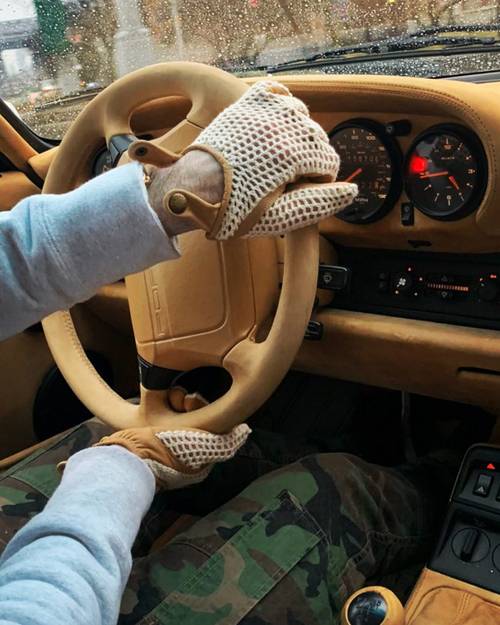
Provide clean vector artwork where available, the approved logo version and any restrictions on distortion, colour or clear space. Include the desired finished dimensions, not only a large artwork file. Thin rules, small lettering and intricate crests can lose clarity when reduced, so discuss which details must remain legible and whether an authorised simplified mark is available. Consider the position relative to seams, folds, fasteners and areas of repeated contact. A mark that looks balanced on a flat drawing may fall under a strap or bend around a panel. The Exclusive Fit equipment project offers a reference for restrained insignia, but the placement on a new glove should be reviewed on the proposed pattern and physical sample.
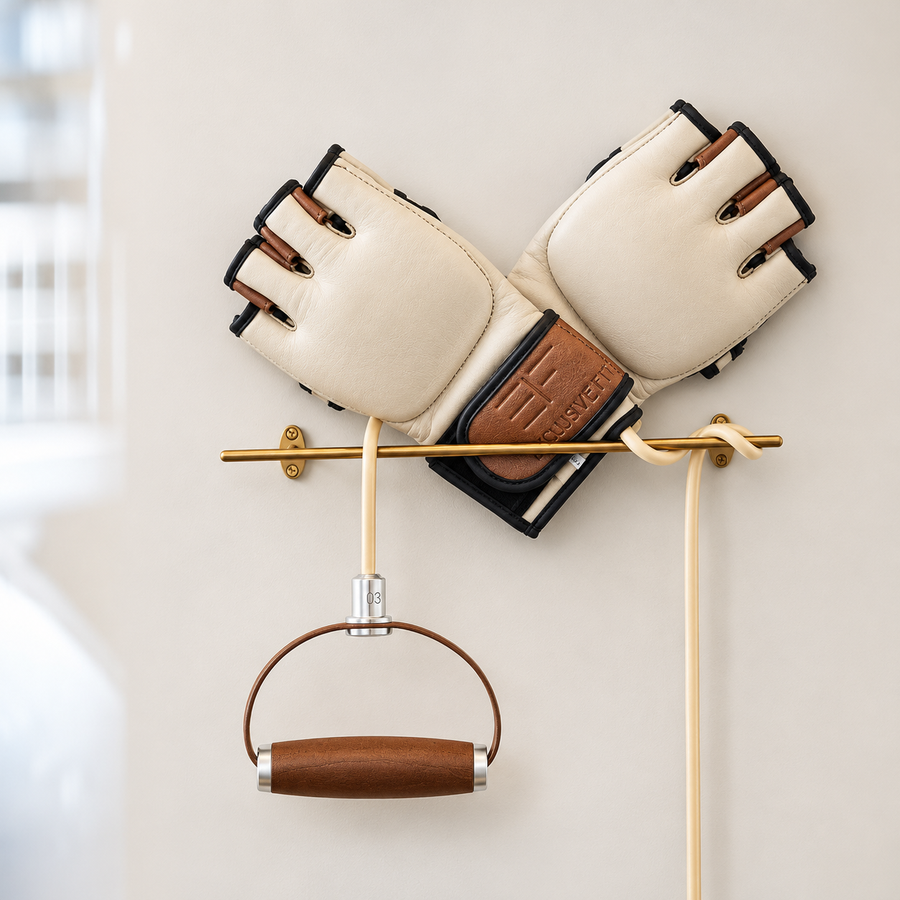
View the Exclusive Fit project.
Distinguish relief from printed contrast
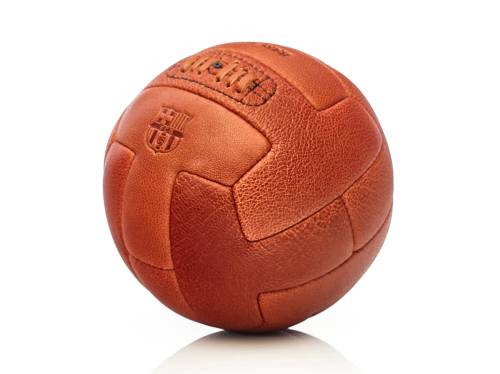
The Aimé Leon Dore rugby ball uses a printed script logo. It is included here to show a different branding approach, not as an embossing example. When the intended colour contrast or graphic treatment cannot be achieved through blind relief alone, printing or another suitable method may be worth discussing. Compare methods against the same design objective. If a mark needs to be visible across a retail display, a quiet recessed treatment may not meet that goal. If the product is meant to feel understated in hand, a large contrasting logo may be unnecessary. Neither decision can be settled by calling one finish luxury and another ordinary.
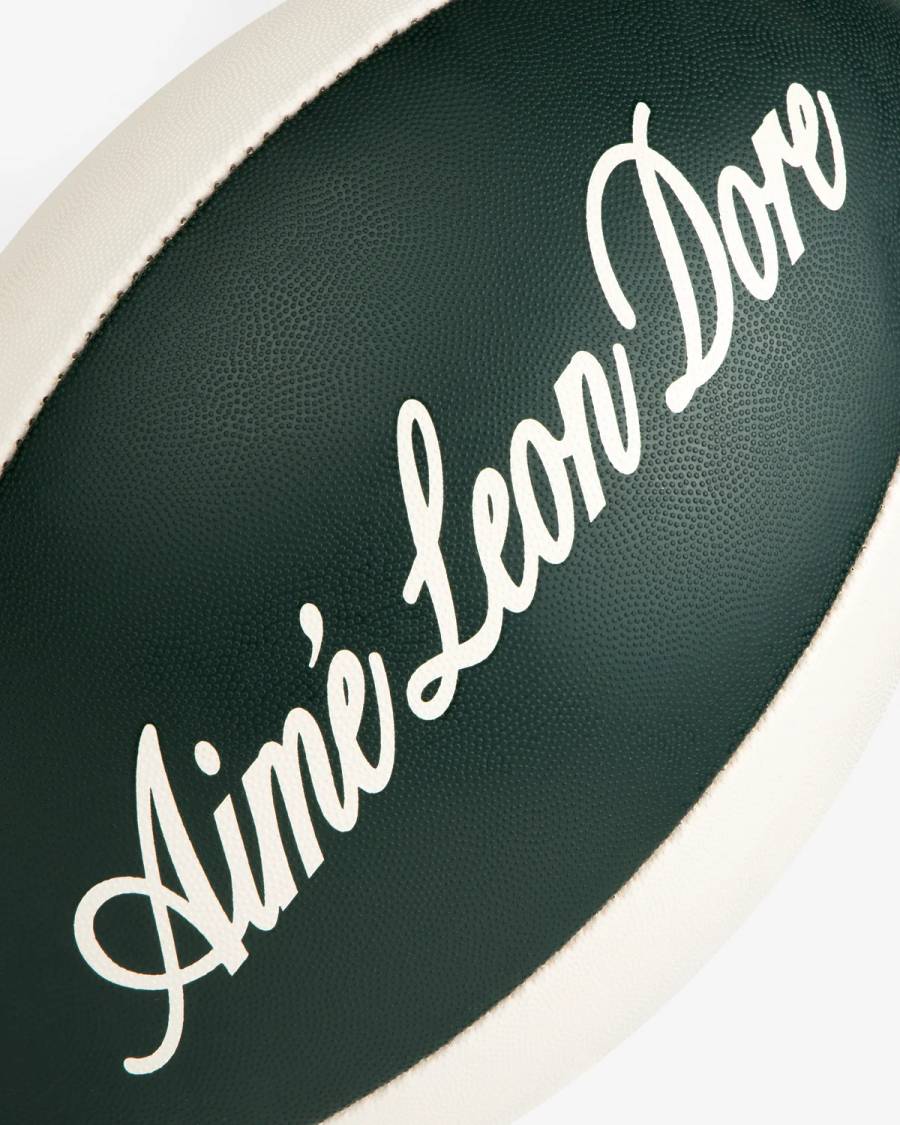
View the Aime Leon Dore project.
Place the logo within the complete collection
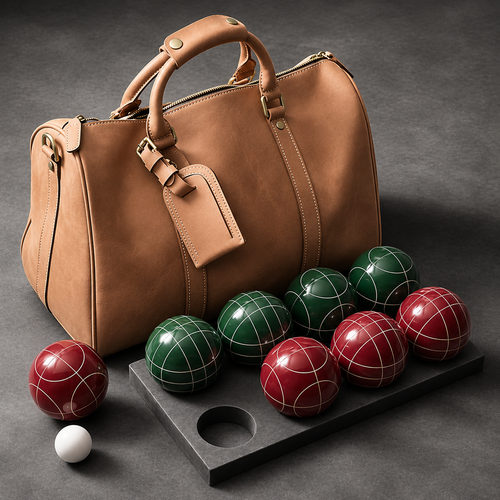
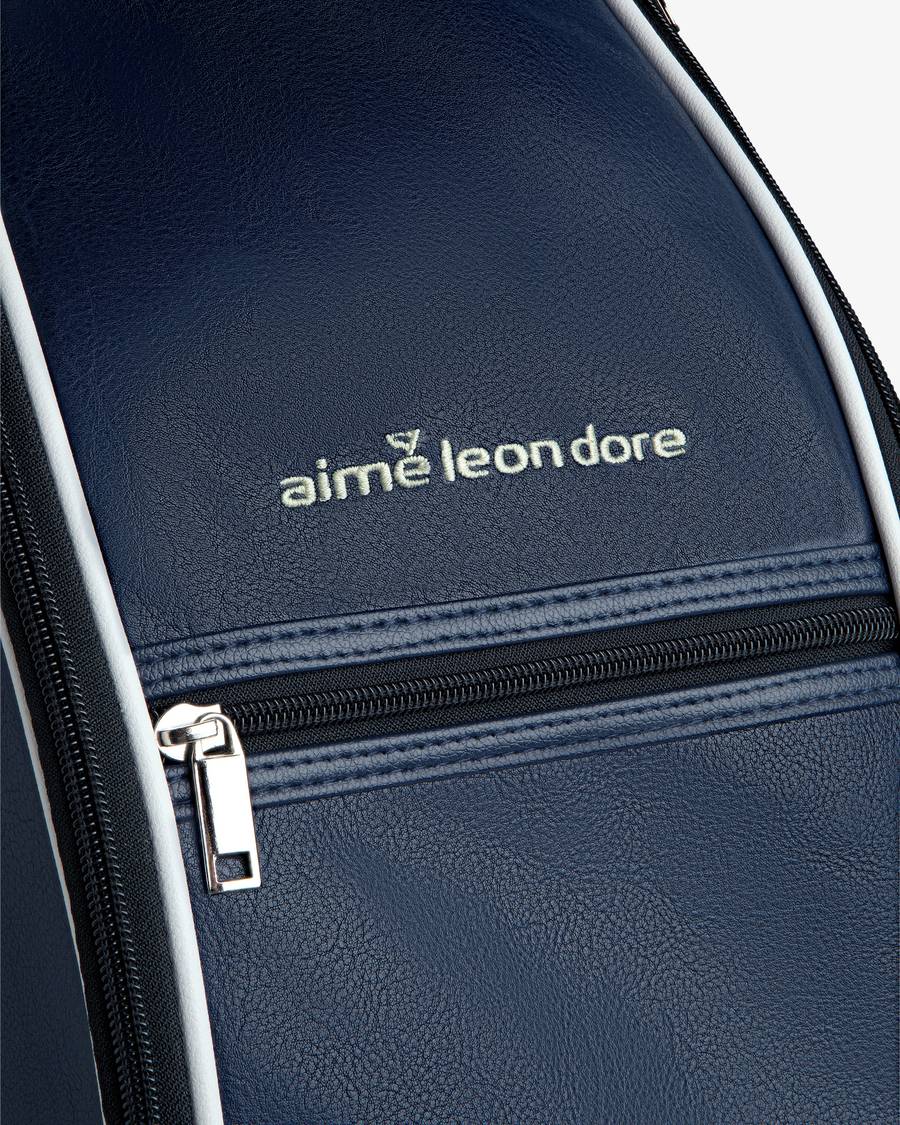
A collection may include a ball, gloves and a bag, each with a different practical branding area. The Aimé Leon Dore golf accessories offer a reference for how product shape influences placement. Review a collection drawing that shows the items together, then approve the individual marks on their own panels. Also identify secondary branding: care labels, packaging, interior patches or recipient details. These are not substitutes for the main mark, but they can reduce the temptation to crowd every exterior surface. For a wider capsule-planning discussion, read sporting capsules for fashion brands.
View the Aime Leon Dore project.
What to approve before production
A useful approval record combines the logo artwork, the material reference, placement measurements and a photograph or retained sample of the accepted result. Record the technique in plain language. If the selected method requires testing for the intended use, agree the testing requirement and evidence before treating appearance approval as complete.
- Confirm whether the logo is raised, recessed, printed or foil finished.
- Identify the approved artwork version and finished dimensions.
- Review the actual leather, colour, grain and panel construction.
- Check placement relative to seams, straps and contact areas.
- Record accepted variation and any unresolved legibility concerns.
- Confirm that packaging artwork uses the correct corresponding identity.
Is embossing better than debossing for luxury leather goods?
Neither is inherently better. The desired visibility, material, construction and intended use determine the appropriate approach. Compare representative samples rather than choosing on terminology alone.
Can we approve a blind logo from a digital mockup?
A mockup can establish direction and placement, but it cannot show the final depth, grain response or tactile result. Agree a material or product sample appropriate to the project before final approval.
Start your project
Explore our fashion lifestyle brands completed work and share a project brief with your organisation, intended use, product direction, indicative quantity, delivery country and target date. MVP Bespoke will review the materials, branding, sample approach and packaging against your particular brief.