How to Choose a Private-Label Sporting Goods Partner: Questions to Ask Before Commissioning
Assess a private-label sporting goods partner through relevant work, specifications, sample approvals, communication, packaging and delivery planning.

Choose a private-label sporting goods partner by assessing relevant completed work and the way your proposed product will be specified, approved and delivered. A long product list or a polished image is not enough to establish suitability for a particular commission. The useful questions reveal what the partner understands, what remains unresolved and how decisions will be recorded. MVP Bespoke specialises in creating premium sporting and lifestyle goods and works through worldwide factory and artisan partnerships, with dedicated leather tanneries. Those approved company facts do not mean every product is made at one site or follows an identical process. Ask questions about the proposed commission, not assumptions about a generic manufacturing model.
Look for relevant completed work, not just category claims
Begin with examples that resemble the product challenge you are considering. Relevant evidence may concern a format, a material combination or a multi-object collection; it need not be an exact visual match. Ask what the example actually demonstrates and keep client attribution accurate. A published photograph can substantiate that a product was shown in the portfolio, but it does not disclose every specification or commercial term behind it. The SSENSE gloves and basketballs collaboration is a reference for coordinated sporting goods within a retailer brief. When assessing a prospective partner, explain whether your challenge is the product mix, branding or a more involved development requirement. Ask how the proposed approach addresses that challenge. Avoid treating a familiar client name as a substitute for discussing the actual requirements of your own range.
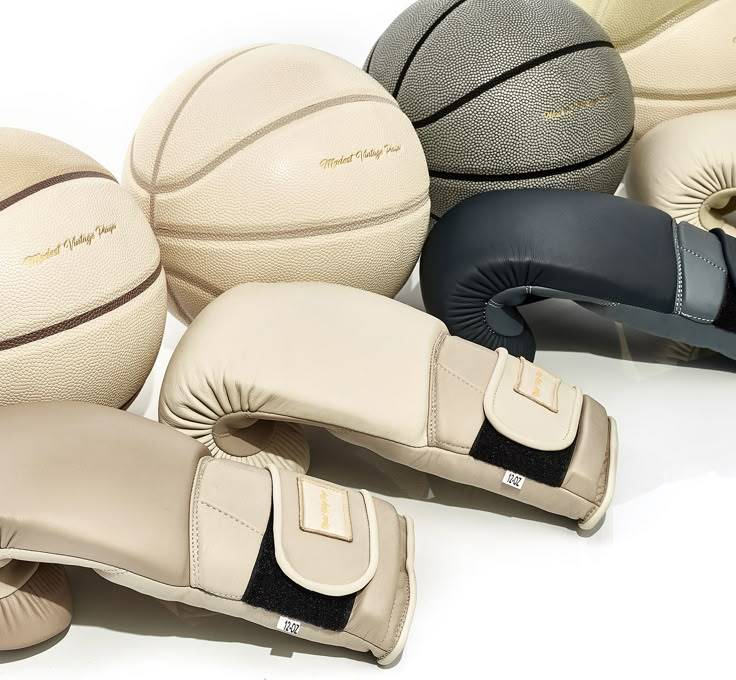
Explore this completed project: MVP for Ssense Luxury Leather Boxing Gloves & Basketballs
Ask how the brief becomes a product specification
A useful partner should be able to discuss the difference between inspiration and an agreed product. Supply the intended use, reference images and requirements, then ask which details need to be confirmed. Materials, dimensions, artwork placement and construction should be reviewed for the selected format, not inferred from a mood board. The La Marzocco heritage duffel illustrates a carrying-product direction. If developing a bag, ask how capacity needs, compartments and carrying arrangements will be specified rather than relying on exterior photography. For other categories, identify their own equivalent functional questions. The objective is not to create a long checklist for its own sake: it is to establish a shared written reference so the retailer and development team are not approving different interpretations of the same image.
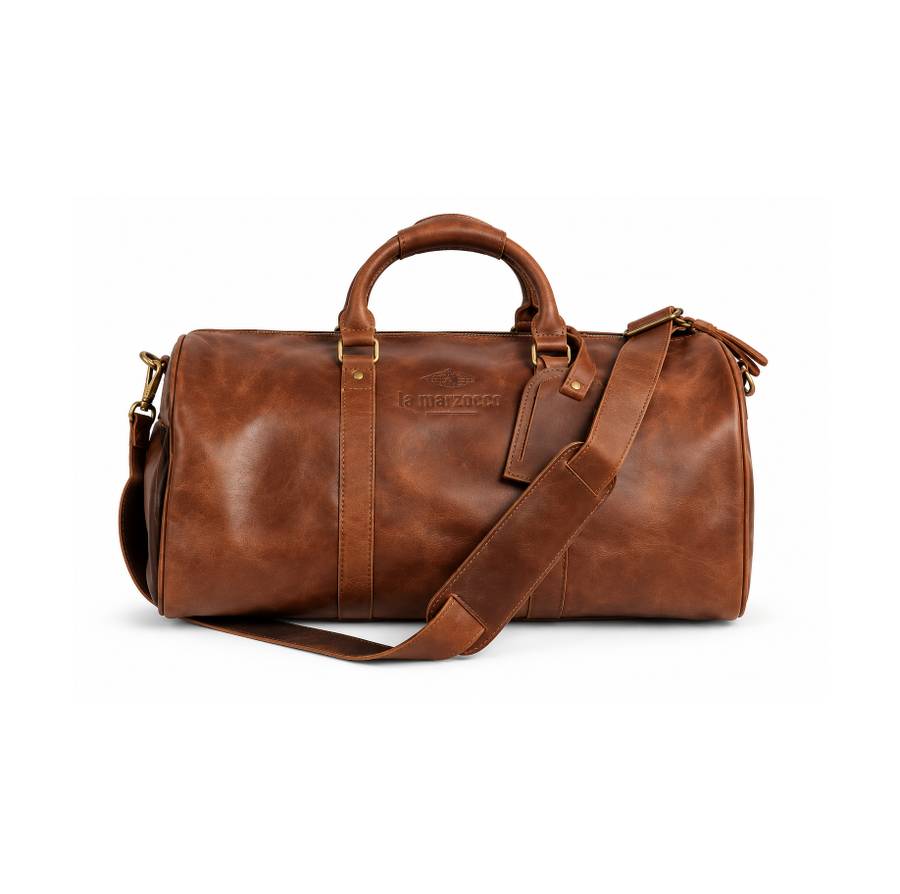
Explore this completed project: Heritage Genuine Leather Sports Duffel Bag
Clarify the approval process before production
Ask what type of sample or approval process is appropriate for the proposed project, what will be reviewed and who can sign off changes. Do not assume a digital mockup is a physical-product approval or that every product follows the same sampling route. Identify how the final specification and artwork versions will be recorded. The Aimé Leon Dore golf accessories project offers a multi-product reference. In a range, the approval plan should distinguish collection-level visual direction from item-specific questions such as fit or dimensions. Review how differences will be resolved before production. If quality requirements are important, describe the actual criteria and ask how they will be assessed. Avoid vague assurances such as premium quality standing in for agreed, product-specific expectations.
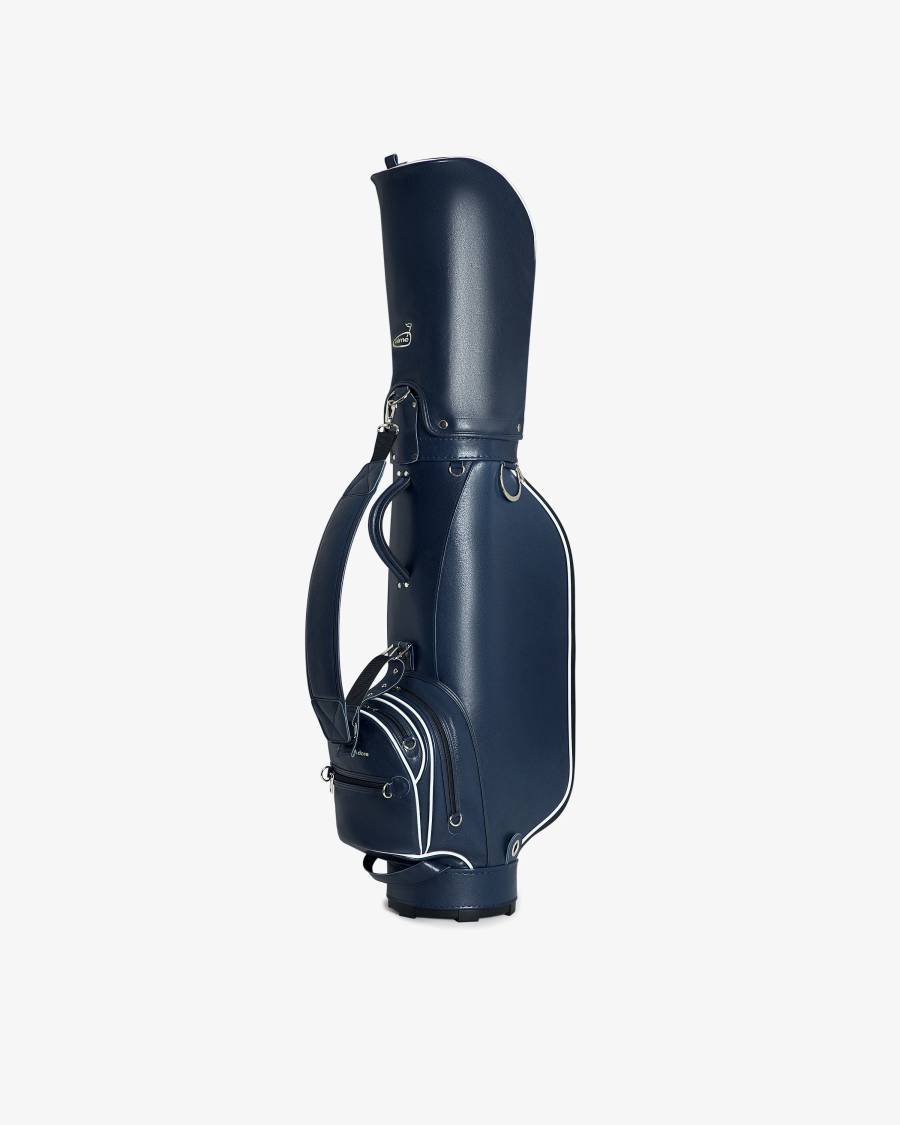
Explore this completed project: Golf Accessories SS25
Discuss communication, product information and presentation
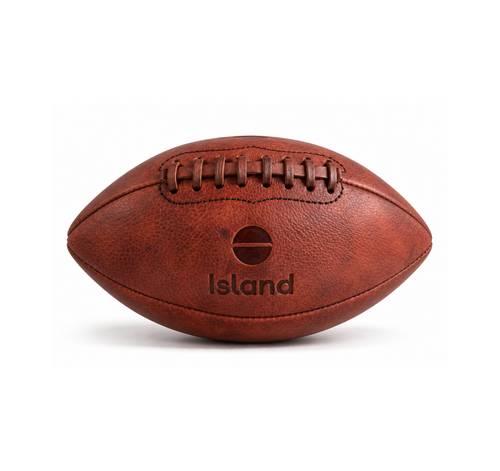
Name the people responsible for artwork, functional review and retail presentation. Ask what information is needed from each and how questions or changes will be consolidated. Multiple conflicting approvals can make a clear product direction difficult to maintain, so the retailer should also establish its own decision process. The Zara Home soccer ball is a completed retail reference for this discussion. A retailer needs confirmed product information to describe a new commission accurately: materials, intended use and relevant dimensions or care details. Ask who prepares and approves that information and how packaging requirements are considered. If destination-specific labelling or compliance questions apply, make them explicit and agree responsibilities. Do not assume those duties are automatically covered because the partner offers private-label development.

Explore this completed project: Premium Leather 32 Panel Soccer Ball
Review the project-specific delivery and repeat-order plan
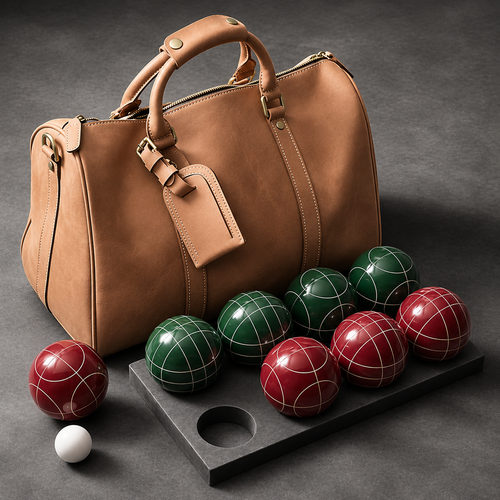
A required launch date should be included early, along with the destination and proposed range. Ask how design, approval, production and freight fit together for that specification. A lead time copied from an unrelated product is not reliable evidence for a new commission. If the brief changes, identify what needs to be reviewed in the schedule rather than assuming the original plan still applies. The CB2 boules set demonstrates a leisure-set direction with a carrier. It is useful when considering how several components may belong to one product brief, but it does not promise a standard timetable. If repeat orders or later additions are anticipated, ask what records will be retained and how current availability is reviewed. The goal is a transparent development relationship grounded in your product requirements, not a promise that every future order will be identical or immediately available.
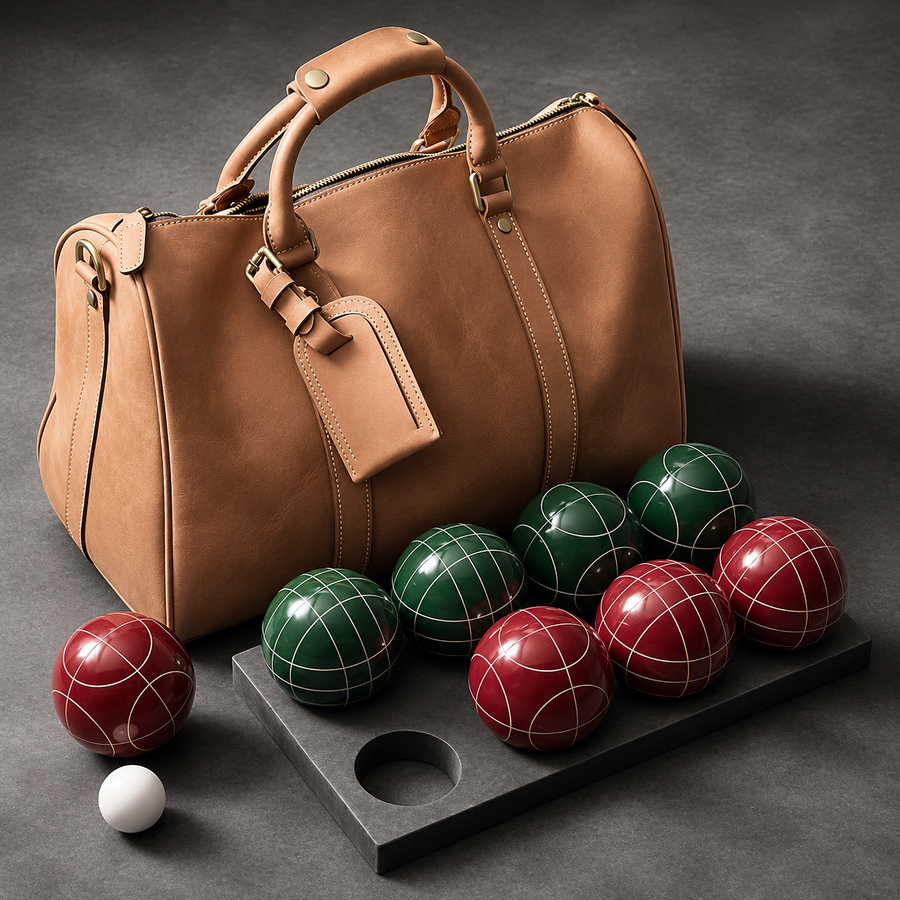
Explore this completed project: Luxury Boules Set + Leather Carry Bag for CB2
A shortlist interview for a development partner
Ask for relevant work, proposed specification steps, the appropriate approval process, information required from your team and a project-specific delivery review. Discuss any rights, presentation or market requirements that matter to the range.
Is a factory claim enough to assess a partner?
No. Ask how the proposed products are developed, made and reviewed within the actual supply arrangement. Do not assume every format follows one production route.
What should we send before asking about feasibility?
Product direction, intended use, artwork, references, indicative quantities, destination and target date give the partner a useful starting point.
Can a published client project prove future results?
It supplies a relevant example, not a guarantee of sales, timing or suitability for a different specification. Continue with private label versus wholesale sourcing. Explore the relevant industry projects or send your project brief with your product direction, references and target date.