Private Label vs Wholesale Sporting Goods: Which Approach Suits Your Retail Brand?
Compare private-label development with wholesale purchasing for a premium sporting range: identity, specifications, approvals and buying responsibilities.
Private label and wholesale describe different aspects of a retail sourcing conversation, and they are not always opposites. Private label concerns the identity under which a product is sold; wholesale concerns how products are supplied for resale. A private-label range can itself be supplied through a wholesale relationship. The practical decision for a buyer is whether to purchase an existing branded assortment or develop products under the retailer’s own identity. This guide compares those routes for sporting and lifestyle goods without promising a universal advantage in margin, speed or control. MVP Bespoke’s published retailer collaborations illustrate development references; they do not establish identical contractual terms, exclusivity or sales results for every commission.
Compare the routes using the retailer’s actual goal
If the goal is to curate existing branded products, the conversation centres on the available assortment and the terms under which it can be supplied. If the goal is to develop a range under your identity, the conversation must also cover specifications, artwork, approvals and presentation. Start by defining what the customer should recognise about the range and why it belongs in the retailer’s offer. The SSENSE boxing gloves and basketballs project is a completed collaboration reference. It demonstrates a sporting product direction connected with a retailer identity, not a standard template for every sourcing arrangement. Ask what needs to change from a proven format and what should remain fixed. A new brief should state the intended brand and product role clearly before comparing routes, otherwise different suppliers may answer different questions while appearing to quote for the same assortment.
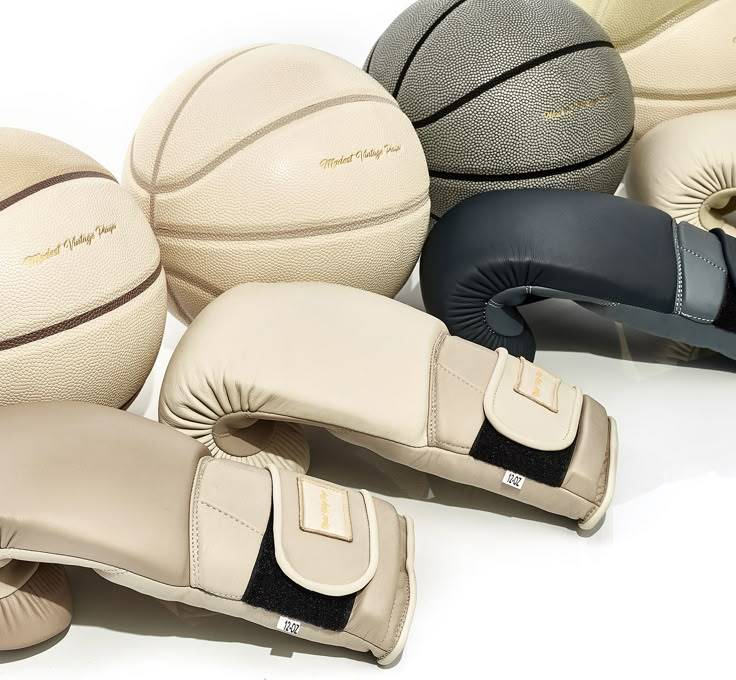
Explore this completed project: MVP for Ssense Luxury Leather Boxing Gloves & Basketballs
Understand which product decisions belong to development
An existing assortment comes with an established specification, although the buyer still needs accurate information about it. A custom private-label brief introduces decisions about what should be developed or adapted. Identify desired changes in materials, colours, branding and format, and distinguish them from product features you are only using as inspiration. The Aritzia leather soccer balls project offers a retailer reference for a familiar sporting object. For your own development, define intended use and the proposed construction rather than assuming that all products with the same category name are equivalent. If a particular functional requirement matters, raise it before artwork is approved. Private label does not automatically mean unlimited design freedom, and a published completed example does not establish that every requested change is feasible for a new commission.
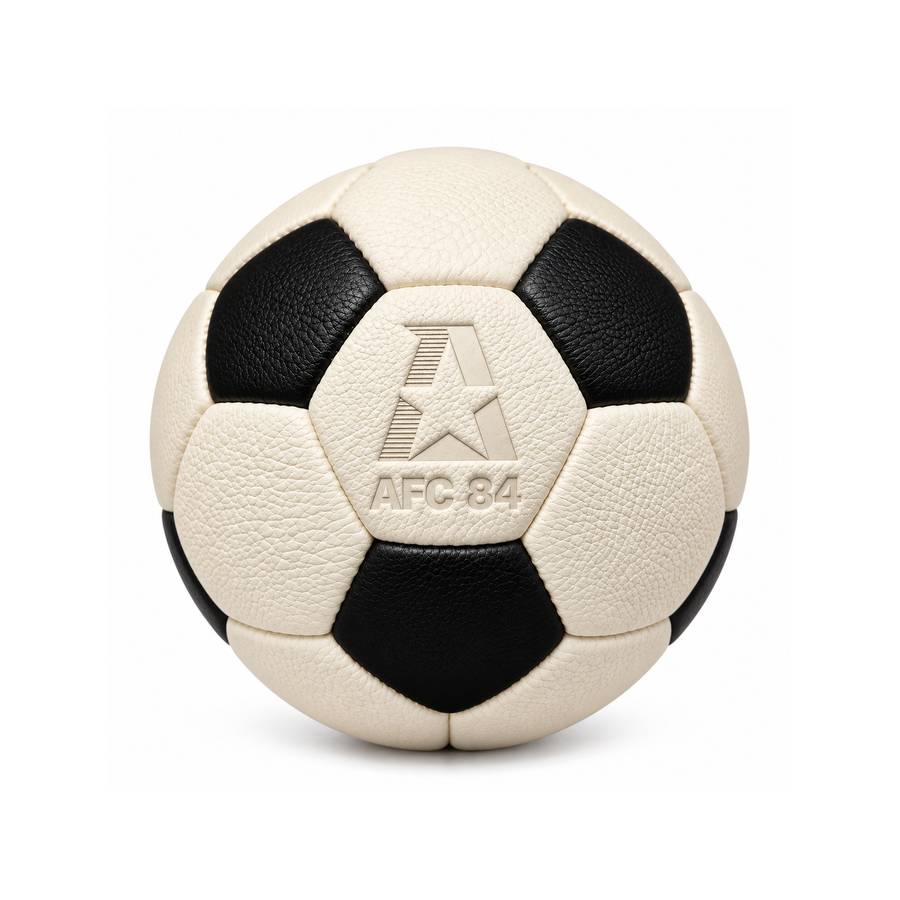
Explore this completed project: Premium Leather Soccer Balls
Make identity, rights and approvals explicit
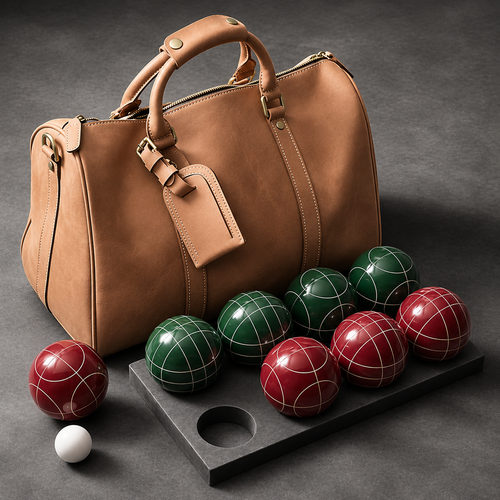
Products under a retailer’s identity need an authorised artwork source and a clear approval contact. Establish which marks are provided, who can approve changes and what should be recorded before production. If the assortment uses another organisation’s identity, any necessary permissions and commercial arrangements should be clarified separately. Do not infer exclusivity or ownership of design rights from the phrase private label. The Zara Home 32-panel soccer ball is a completed brand-specific reference. It can help discuss the relationship between construction and visual identity, but it does not disclose the legal or commercial terms of that project. For a new range, ask how branding and specification decisions will be approved and documented. Keep rights, exclusivity and permitted uses in the relevant agreement rather than relying on assumptions formed from the product name or photography.

Explore this completed project: Premium Leather 32 Panel Soccer Ball
Account for product information and presentation work
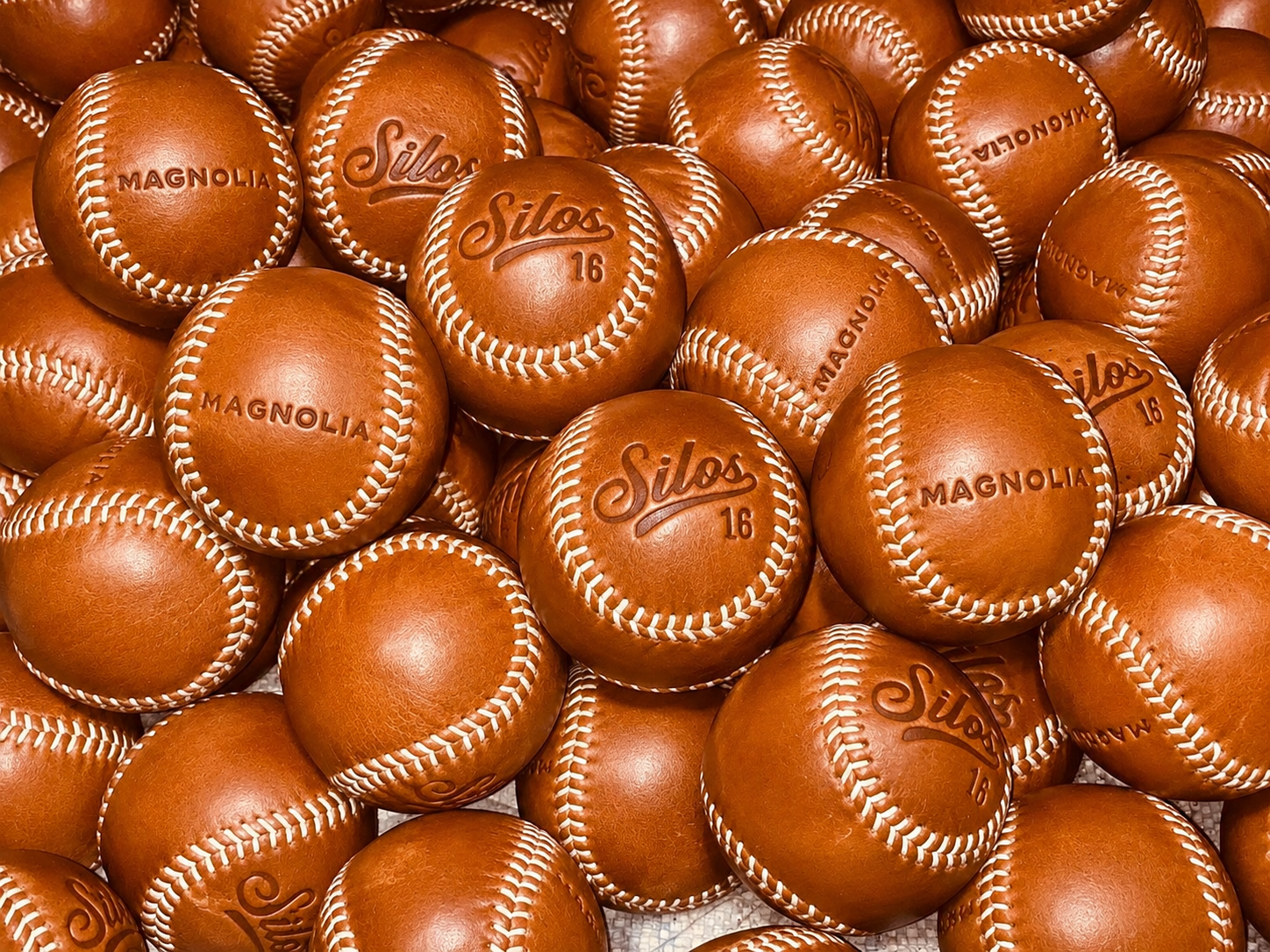
A retailer needs more than a photograph to sell a product accurately. Clarify what material, dimension, intended-use and care information is available, and what must be reviewed for a custom specification. Identify packaging and labelling needs for the destination without assuming a supplier handles every market-specific responsibility. The allocation of those responsibilities should be agreed rather than treated as an automatic consequence of the sourcing model. The Magnolia leather baseball project illustrates a smaller sporting format within retail work. For any similar range, prepare descriptions from confirmed facts and avoid unsupported certification, environmental or performance claims. Decide who supplies artwork and accompanying information, and how the proposed presentation will be approved. Those tasks belong in the development plan; they should not first appear after the production specification has already been treated as final.
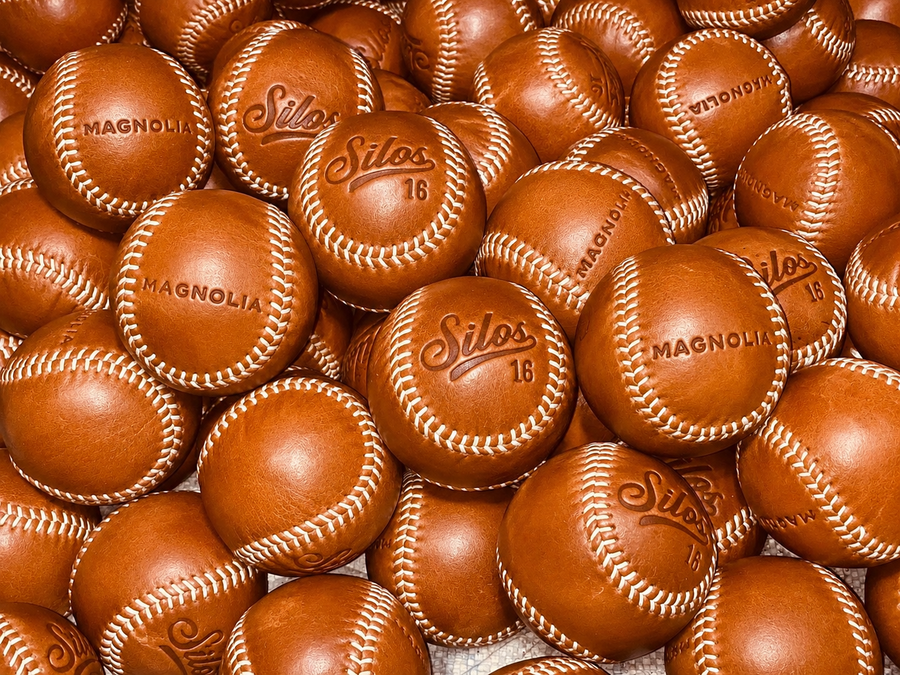
Explore this completed project: Premium Leather Baseballs
Compare schedules and repeat plans without blanket promises
Neither route guarantees a particular launch speed or repeat availability. Existing stock, development scope, approvals, production and freight all matter. Ask for the actual plan for the proposed assortment and include the buying calendar at the first enquiry. If future additions or repeat orders are important, explain that intention so specifications and approved artwork can be recorded clearly. The CB2 holiday sports capsule is a useful occasion-led collection reference. It does not prove that another retailer can follow the same timetable or achieve the same commercial result. Compare sourcing options against your own product goals, approval responsibilities and destination. Avoid generic claims that private label always delivers higher margins or wholesale always reaches market faster. A useful decision rests on confirmed product and commercial details, not a category-wide promise.
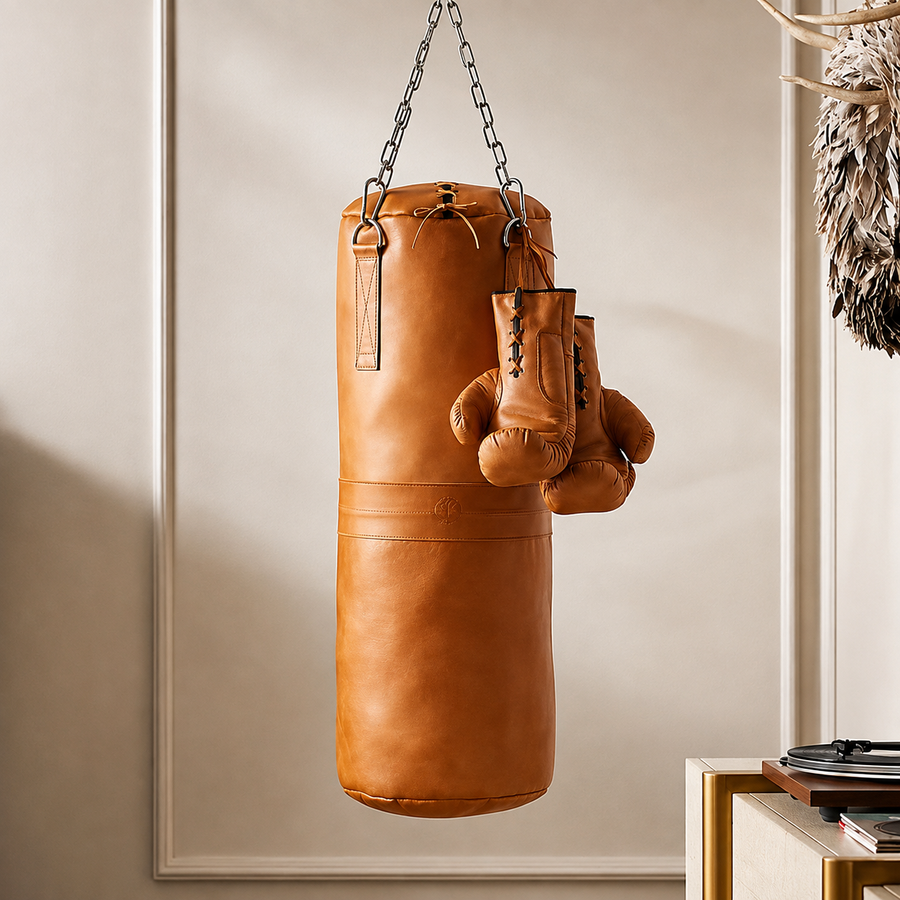
Explore this completed project: Holiday Gift Sports Capsule for CB2
Questions for the buying team
- Are we curating existing brands or developing our own identity? - Which product changes are essential? - Who approves specifications, artwork and presentation? - How are rights and any exclusivity agreed? - What product information and delivery plan are confirmed?
Are private label and wholesale mutually exclusive?
No. Private label describes product identity, while wholesale describes supply for resale. Clarify the actual arrangement rather than treating the terms as fixed opposites.
Does private label guarantee an exclusive design?
Not by itself. Exclusivity and permitted uses must be agreed for the specific project.
Which route is best?
The one that fits the retailer’s goals and confirmed requirements. Compare the proposed assortment and responsibilities, not generic claims about the model. Continue with private-label retailer range planning. Explore the relevant industry projects or send your project brief with your product direction, references and target date.