Custom Golf Accessories: Gloves, Head Covers and Ball Markers
Cabretta leather, hand-stitching and the details that separate tour-grade custom golf accessories from branded merchandise.
Golf is the natural home of bespoke leather
No sport has a deeper relationship with leather craft than golf. Head covers, gloves, bags, scorecard holders — the game has always dressed itself in hide and stitching. That makes custom golf accessories one of the most natural commissions we take on: brands, clubs, tournaments and companies all want golf pieces that feel considered rather than catalogue. Here is a guide to the three pillars of a custom golf range — gloves, head covers and ball markers — and how to commission them.
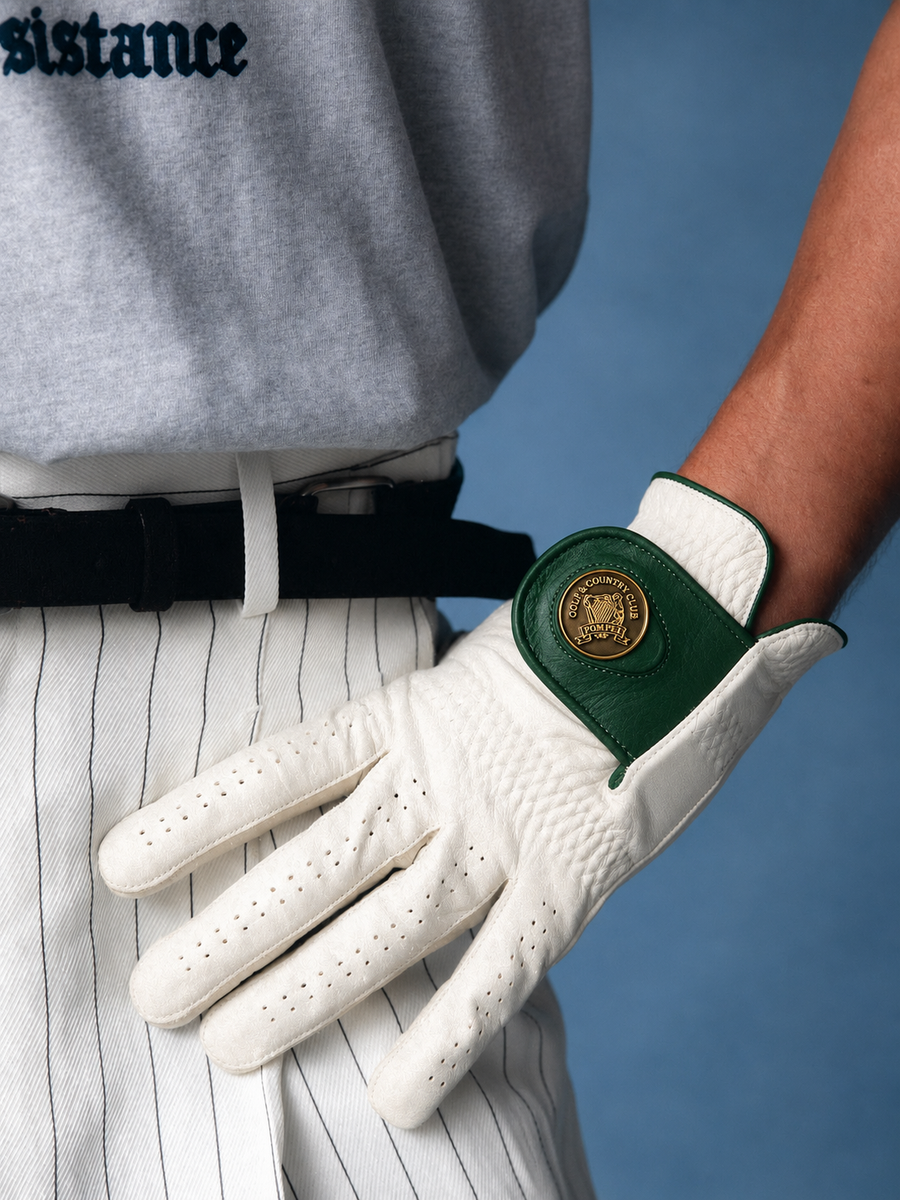
Custom golf gloves: cabretta is king
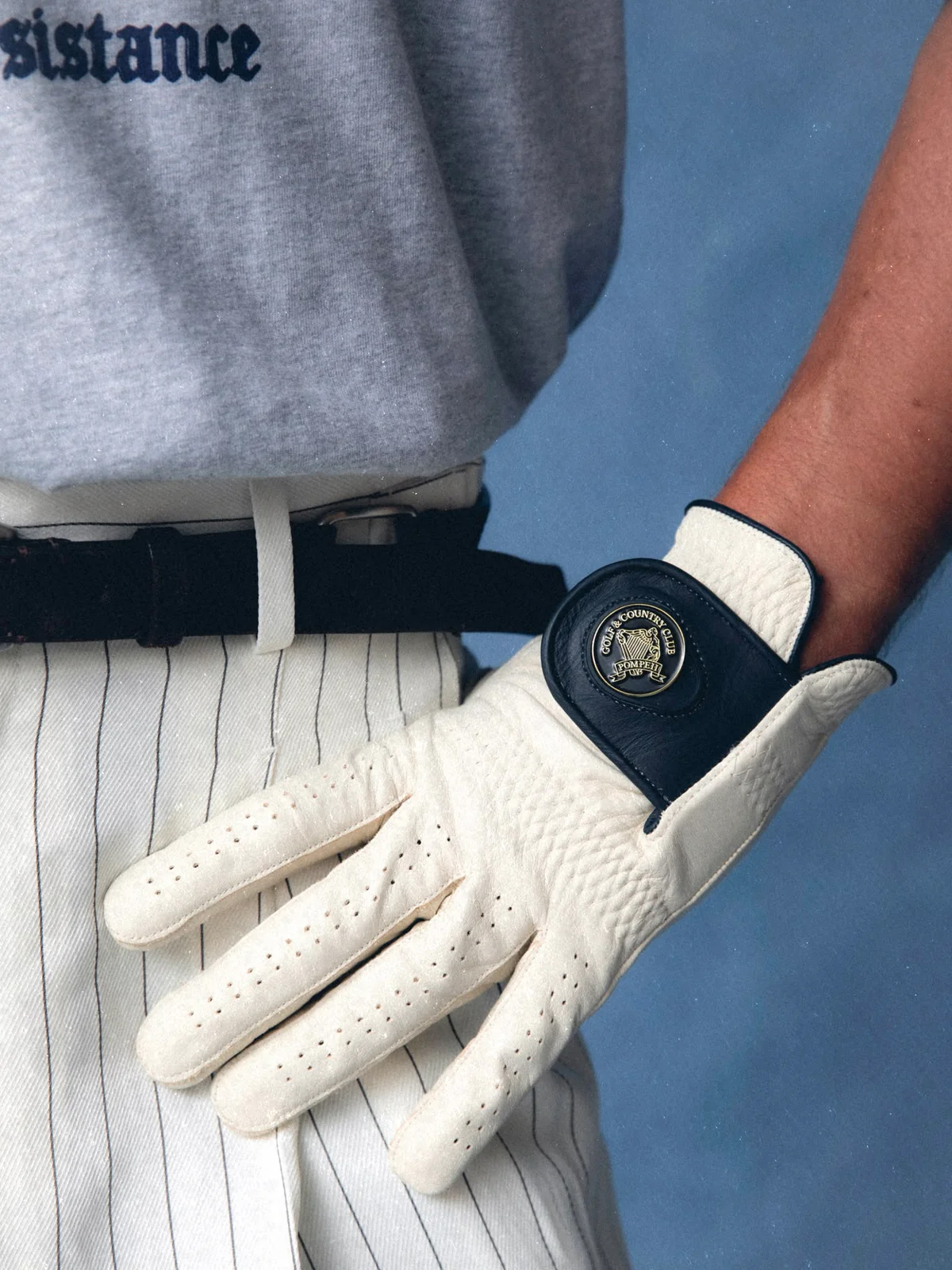
A golf glove lives or dies on its leather. Cabretta — hair sheep leather — is the standard for a reason: thin enough for feel, strong enough for a season of grips, and it takes colour and embossing beautifully. Custom options include:
- **Colourways** — the main body, palm, strap, piping and stitching can each carry different brand colours
- **Branding** — debossed or printed logos on the strap and back of the hand
- **Ball marker integration** — a magnetic marker snapped to the strap, matched to the glove
- **Personalisation** — embroidered names and initials for gifting and tournament packs
Our work with Pompeii Golf paired cabretta gloves with custom ball markers in matched colourways — a small product with an outsized brand presence.
Custom head covers: the billboard of the bag
Head covers are the most visible real estate in golf — every cover on every bag is on display for four hours a round. That makes them the strongest branding piece in the sport.
- **Driver, fairway, hybrid and putter covers** — built as matched sets
- **Leathers and fabrics** — full-grain leather, croc-embossed finishes, wool and canvas combinations
- **Construction** — padded, fleece-lined, with magnetic or elastic closures
- **Branding** — embroidery, debossing, woven labels and metal badges
For clubs and tournaments, a numbered limited run of head covers is one of the most reliable sellers in the pro shop.
Ball markers, divot tools and the small pieces
The smallest accessories often carry the most meaning. Custom ball markers — enamelled, stamped or leather-backed — are the perfect tournament gift: inexpensive at volume, collected for years. Pair them with divot tools, scorecard holders and tee pouches in the same palette and you have a complete gifting set.
Beyond accessories: bags and lifestyle pieces
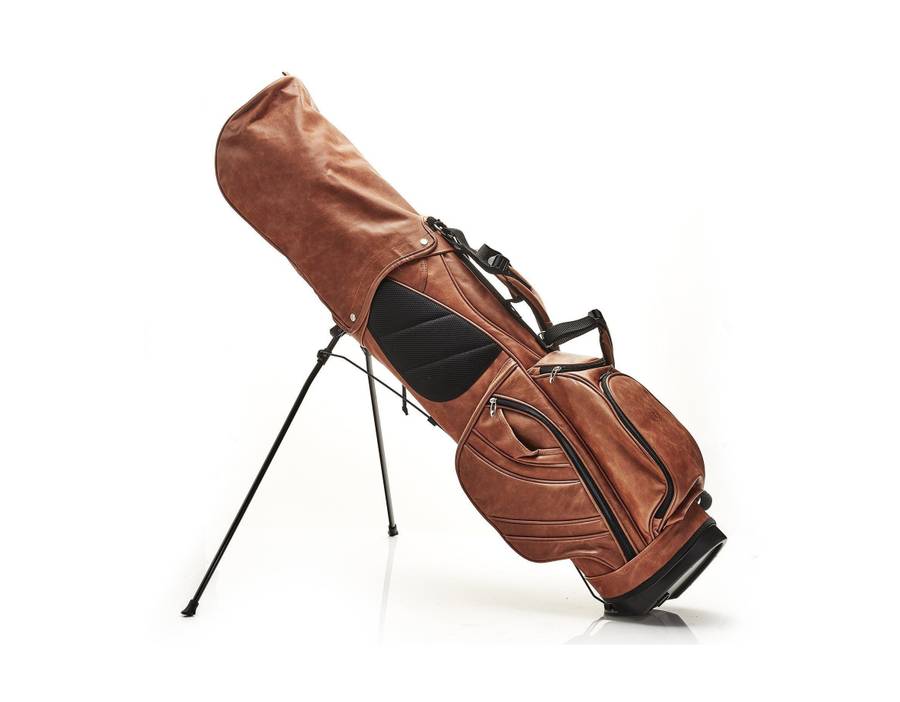
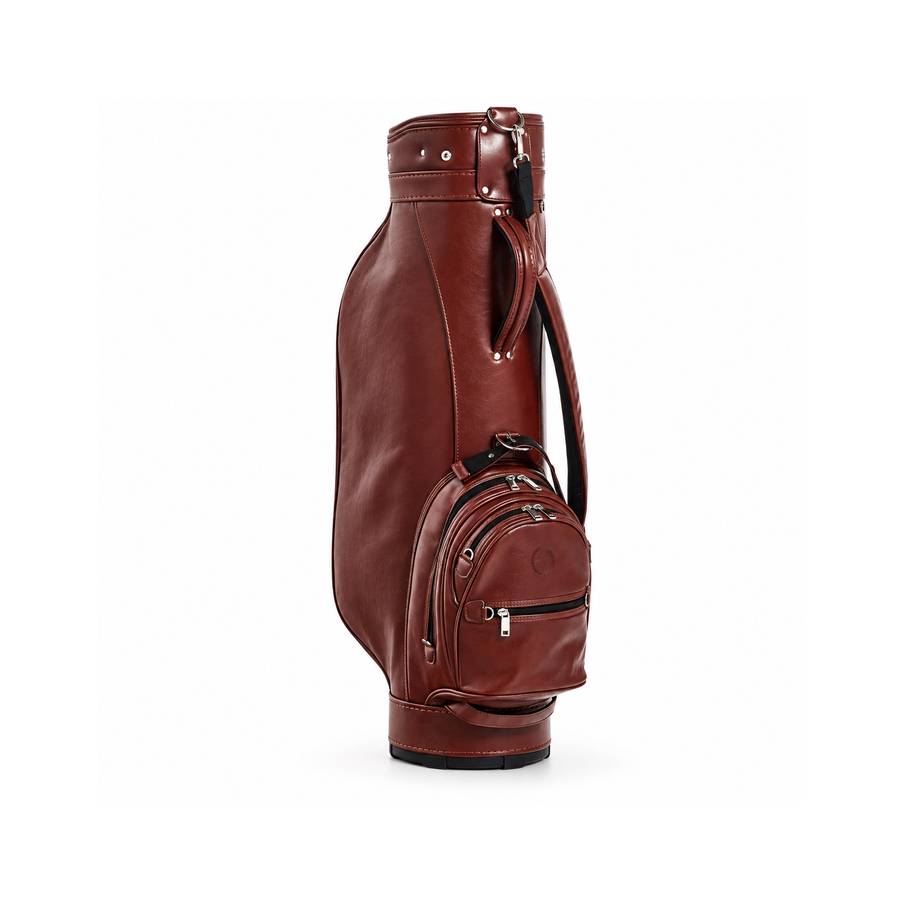
For brands going further, we produce full leather golf bags — cart and carry silhouettes in heritage styling — plus duffels, shoe bags and travel accessories. These sit at the premium end of the range: flagship retail pieces and extraordinary corporate gifts.
Commissioning a custom golf range
- **Brief** — the pieces, the colours, the branding and the quantity
- **Design** — mock-ups across the whole range so every piece speaks the same language
- **Sampling** — physical samples of each piece before production
- **Production** — runs from small batches to thousands
- **Delivery** — worldwide shipping, custom packaging and gift boxing available
Minimum total project value is USD $2,500 plus shipping, with quantity bands from five units up.
Frequently asked questions
What is the minimum order for custom golf accessories?
There is no fixed minimum quantity — we work in bands from five units up, with a minimum total project value of USD $2,500 plus shipping.
Can you match our club or brand colours exactly?
Yes. Leathers are dyed to Pantone references and approved with strike-offs before production.
Can gloves and markers be personalised per recipient?
Yes — embroidered names, initials and numbered editions are all available, and we manage per-recipient personalisation across the run.
Do you make full matched sets?
Yes — gloves, head covers, markers, bags and travel accessories can all be produced in one palette as a complete range.
Start your golf project
From a tournament gifting run to a full retail range, get in touch through our contact page — or mock up a glove colourway in the Design Studio.