Custom Golf Headcovers: Leather vs Wool Knit—and How to Choose for Your Club
Compare leather and wool-knit golf headcovers for a club brief: visual identity, fit, materials, branding, care and coordinated accessories.
Choose custom golf headcovers by starting with the club types they need to fit, the visual character of the collection and the product information members will need. Leather and wool knit offer different design routes; neither should be declared universally better from a photograph. The right decision depends on the particular proposed construction, use and care requirements. This guide focuses on the headcover decision rather than the wider member-gift collection already covered in the Journal. MVP Bespoke’s published leather-and-fabric and wool-knit projects supply real references for comparing directions. Confirm fit and material details for the new commission instead of assuming every cover in a category has identical compatibility or construction.
Use leather and mixed-material references to define structure
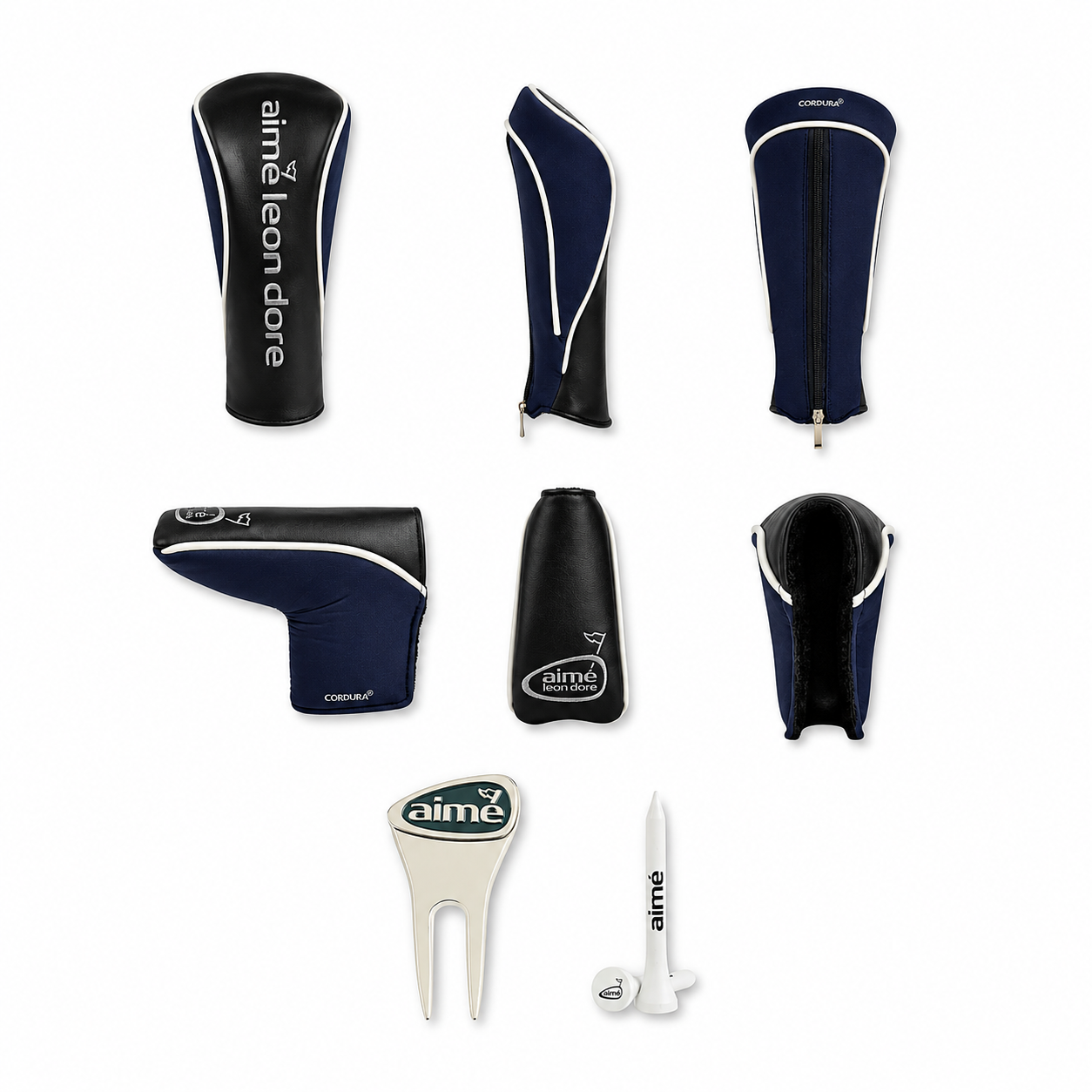
The Aimé Leon Dore leather and Cordura-fabric golf covers project offers a specific mixed-material reference. Its published description identifies calfskin and Cordura alongside other accessories. For your own brief, explain which parts of the appearance matter: panel definition, contrast, colour or the relationship to a bag. Ask how the proposed materials would be used within each cover rather than applying a collection-level material label to every component. Do not assume a leather exterior dictates the entire construction or that all mixed-material covers share the same characteristics. Identify the format needed for each club type and ask for the relevant dimensions and fit details to be reviewed. The development conversation should establish a product specification, not just a visual theme. A leather-led direction can be assessed alongside lining, opening and care questions where they are relevant to the proposal.
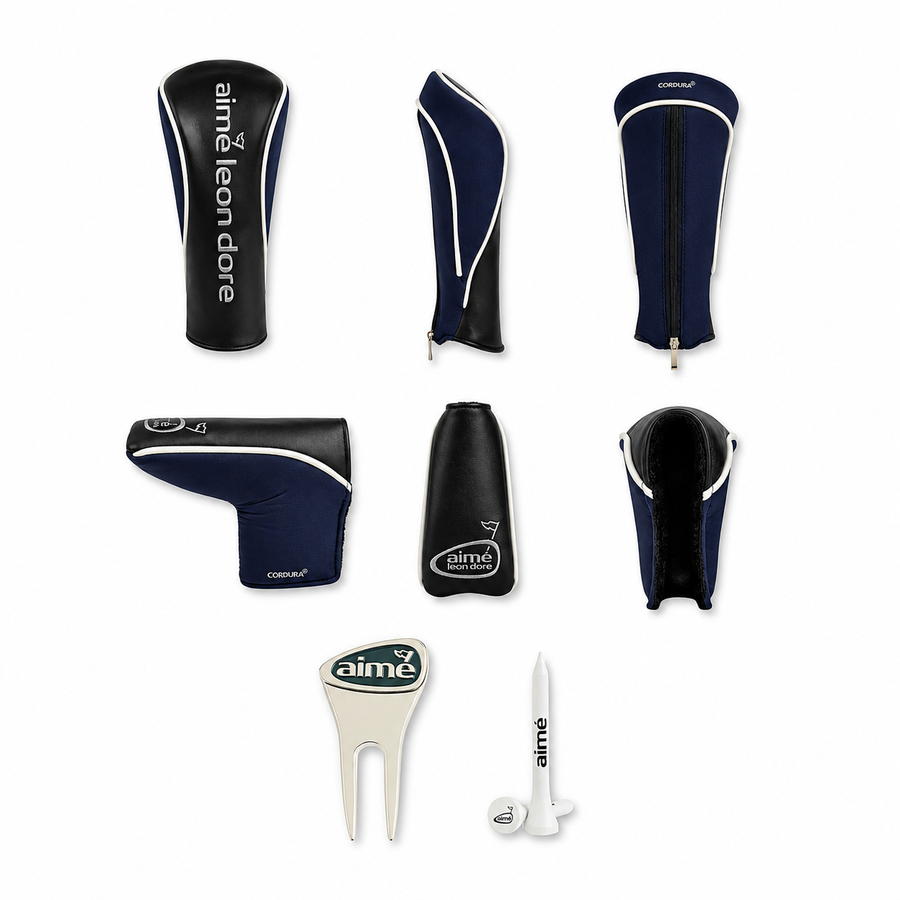
Explore this completed project: Premium Leather & Cordura Fabric Golf Covers & Accessories
Use knit references to define texture and silhouette
The Modest Vintage Player wool-knit covers provide a different design vocabulary: knit texture, colour relationships and the way the form is presented. Its published description identifies wool and tonal embroidery. If that direction suits the club, supply references that explain the desired palette and overall appearance. Ask what is feasible for the proposed formats rather than assuming every knit cover can be produced with the same proportions or decorative details. A material name is not a substitute for product-specific care guidance. Ask how the proposed covers should be handled and maintained, particularly if they form part of a member range. Avoid describing them as machine washable or suitable for all weather without evidence for the agreed specification. The same care discipline applies to leather: compare the proposed products, not generic assumptions about one category being easier to maintain than another.
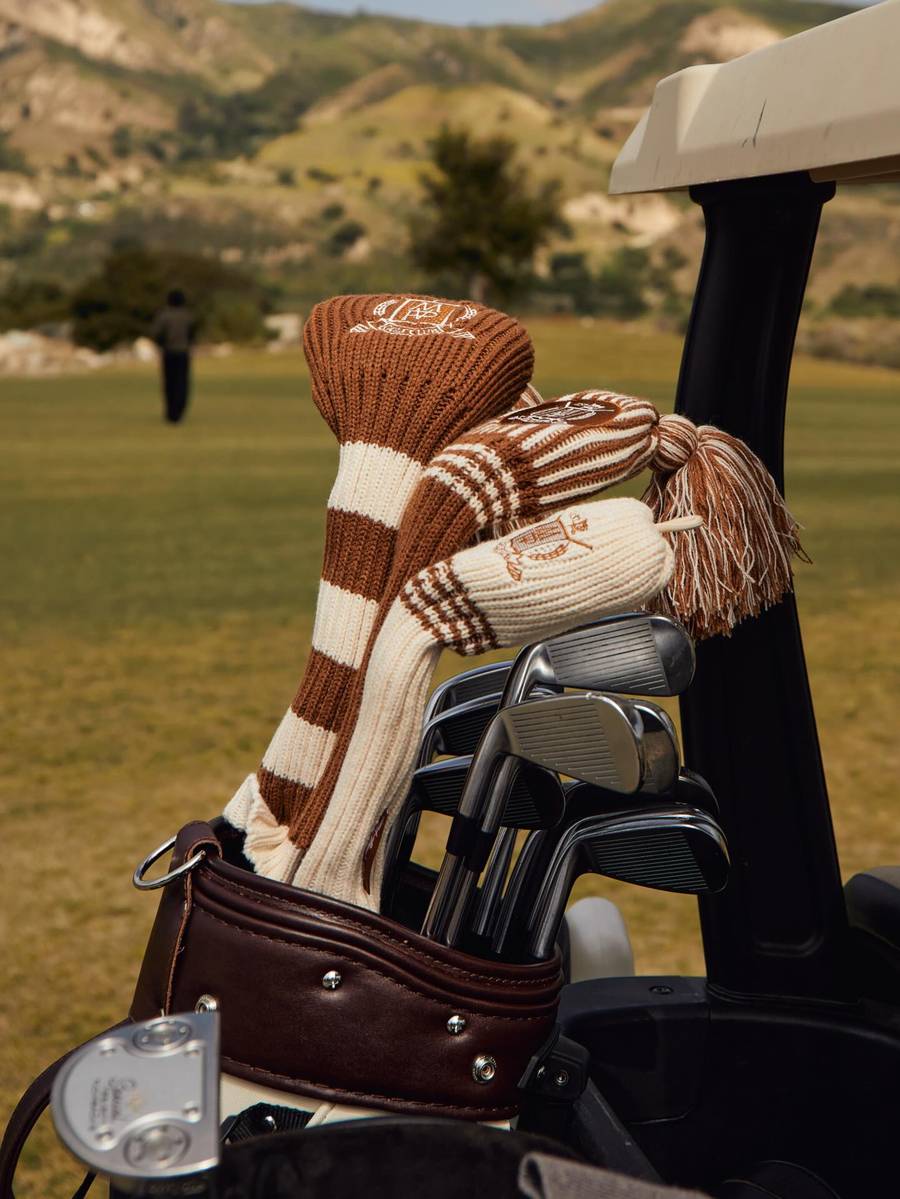
Explore this completed project: Premium Wool Knit Golf Covers
Confirm fit by club format, not by collection name
A coordinated headcover range may include multiple formats. List the intended club types and ask which proposed cover sizes correspond to them. If particular club dimensions matter, provide those details. A single image cannot prove universal fit, and an attractive assortment should not be marketed as compatible with every club unless that has actually been established. The Wool Knit Vintage Golf Covers project offers another completed reference for a knit direction. Use it to discuss appearance and the potential relationship between formats, while treating compatibility as an independent approval question. Agree how the appropriate sample or review process will check the proposed fit. Include the resulting product information in the member or retail description so the recipient can identify the correct cover without guessing from styling, colour or a broad product name.
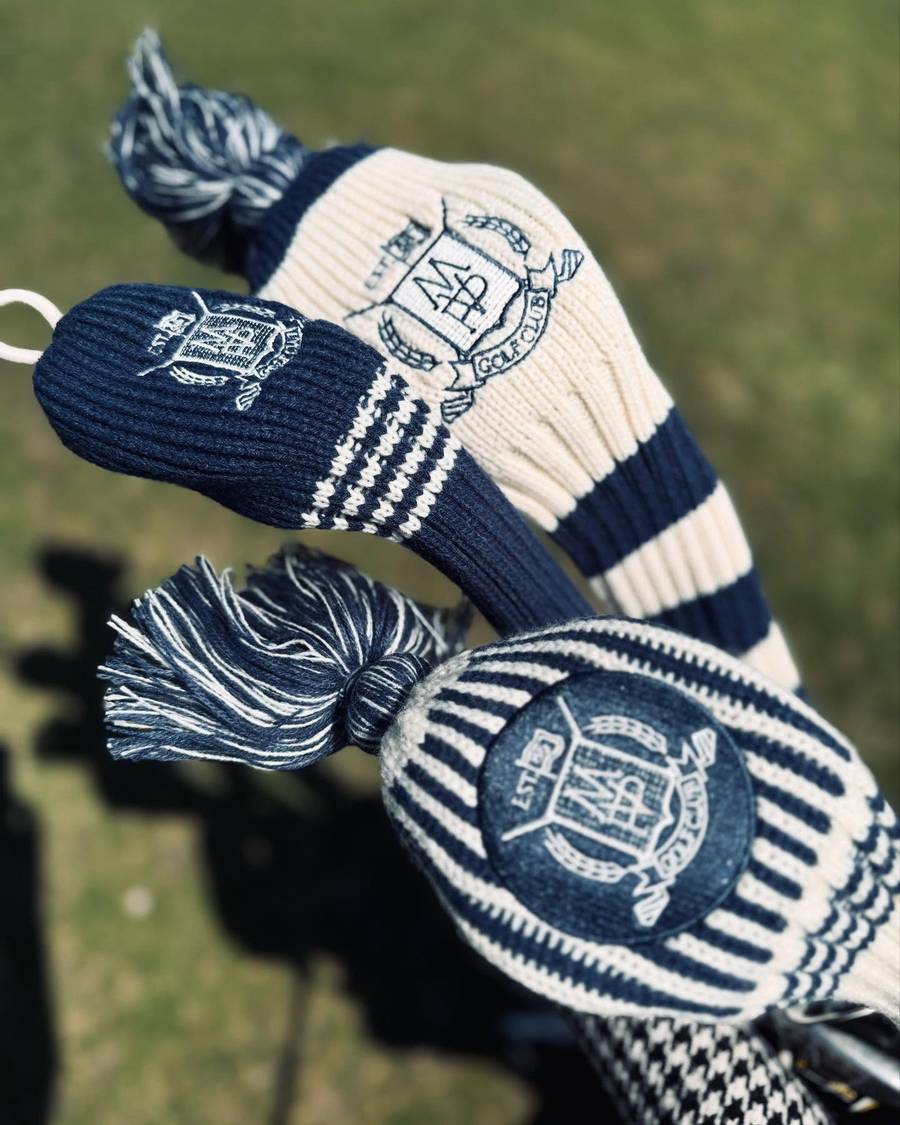
Explore this completed project: Wool Knit Vintage Golf Covers
Adapt the crest to the chosen construction
The club crest needs to work at the scale and location proposed for the cover. Supply original artwork and identify any parts that must remain unchanged. Review legibility, placement and the available branding methods against the actual construction. A detail that reads clearly on a leather panel may need a different treatment on knit; do not assume the same technique or dimensions should be transferred unchanged. The second view of the wool-knit cover collection lets the discussion remain grounded in a real product reference. It does not grant permission to reproduce that design or establish a branding method for your new commission. Keep the approved artwork version with the product specification and agree what adaptations are acceptable. Where several cover formats are proposed, review the crest on each so visual consistency does not conceal practical differences in size or placement.
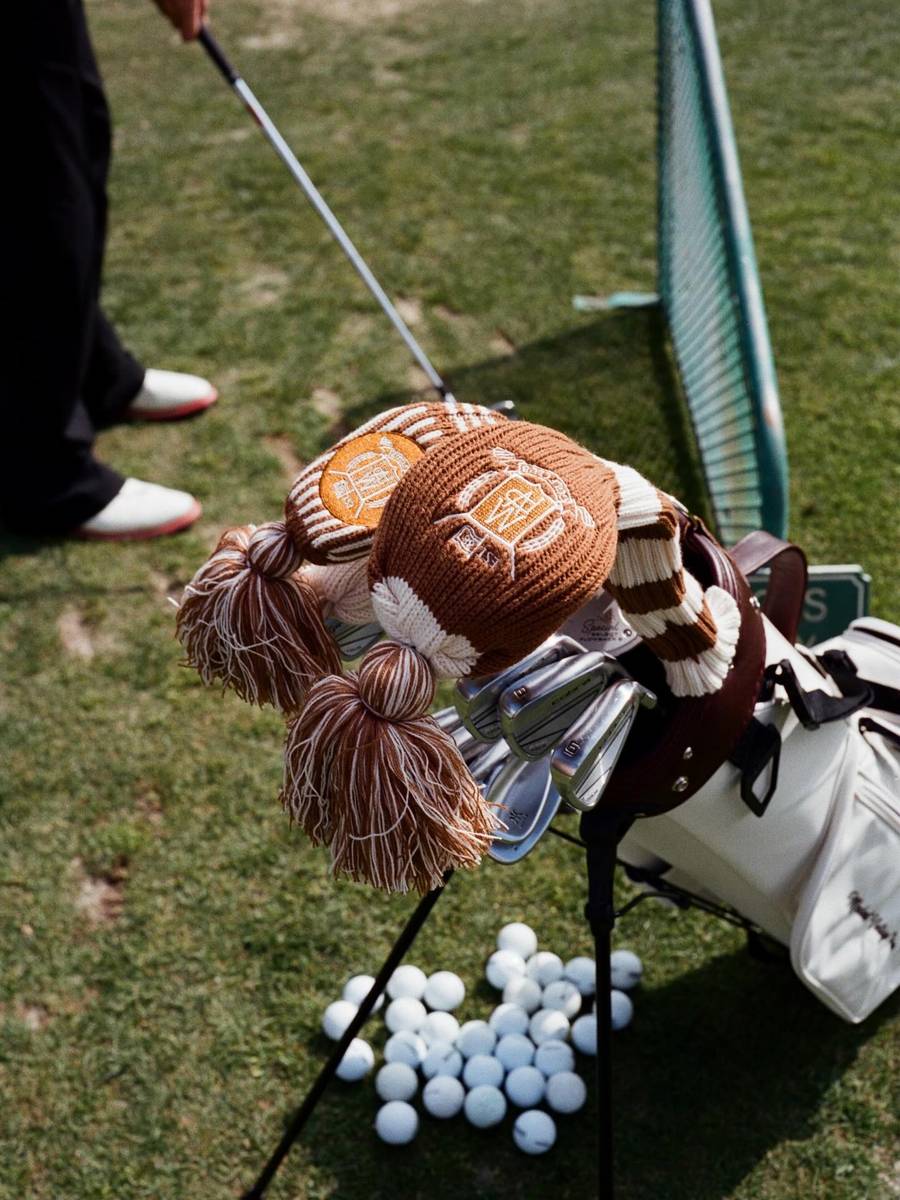
Explore this completed project: Premium Wool Knit Golf Covers
Compare the covers within the wider golf identity
The final decision should be made alongside the club’s other accessories, if a collection is intended. A leather headcover need not force every related item into leather, and a knit headcover need not require the entire range to repeat its texture. Shared colours and restrained branding can connect objects with different construction needs. Golf Accessories SS25 provides a broader collection reference for this review. Compare the proposed covers with gloves, bags or smaller accessories only where those items belong in your brief. Assess material and colour direction together, then record the individual specifications. The commissioning process should also cover presentation, care information and the actual delivery plan. If the range is required for a club occasion or retail window, provide that date at the start rather than assuming the format choice alone determines the schedule.
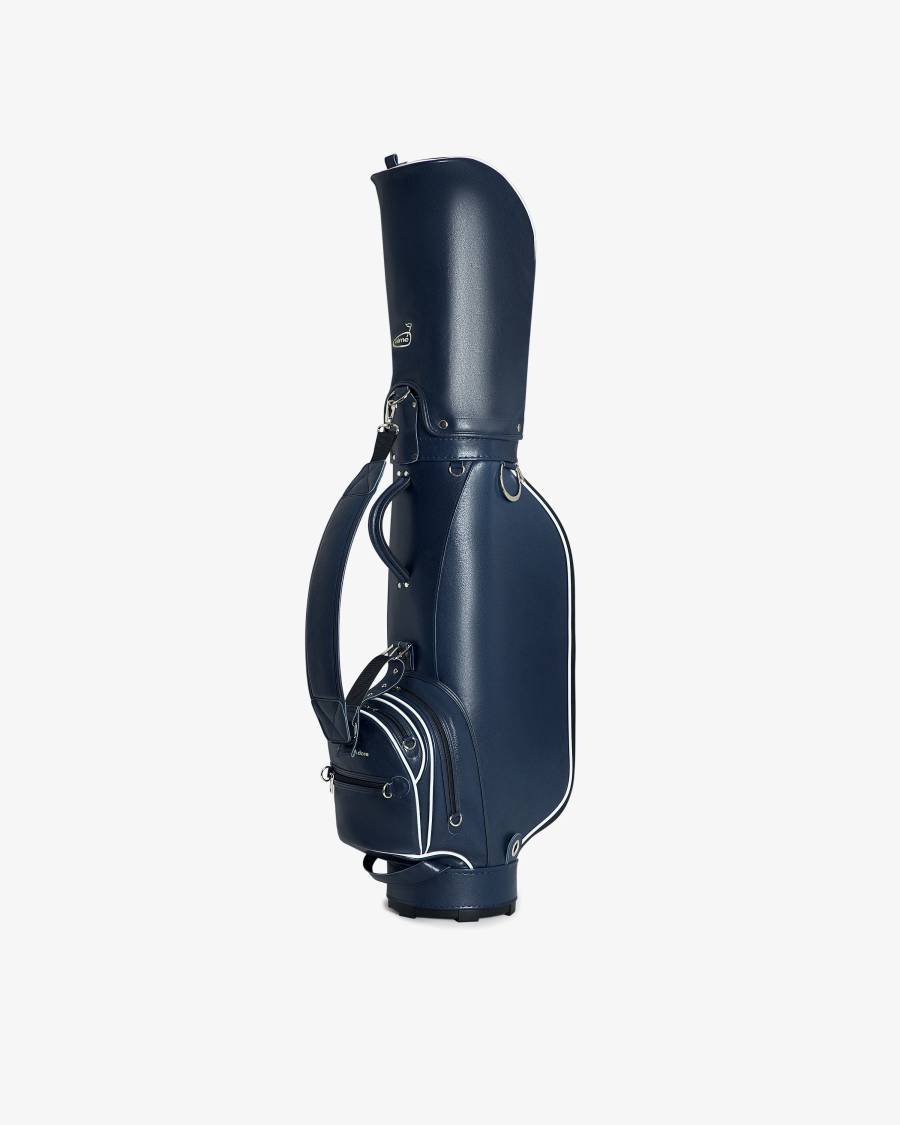
Explore this completed project: Golf Accessories SS25
A practical leather-versus-knit decision
Choose the direction whose proposed appearance and construction suit the club, then verify fit, artwork placement and care. Ask for those points to be reviewed for each format before production.
Which material is better for every golf club?
There is no universal answer supported by these images. Compare the specific proposed headcovers against your requirements rather than relying on a blanket material claim.
Can a range include both leather and knit?
A mixed collection can be discussed where it has a clear purpose. Agree how the palette and branding connect the products while preserving their individual specifications.
What should the first enquiry include?
Club crest, colour references, required cover formats, fit questions, preferred direction, indicative quantities, destination and desired delivery date. Continue with private-club collection standards. Explore the relevant industry projects or send your project brief with your product direction, references and target date.