Custom Leather Rugby Balls for Fashion Brands: Developing a Heritage-Inspired Statement Piece
Develop a heritage-inspired leather rugby ball for a fashion collection, with clear intended use, panel design, branding, presentation and sample review.
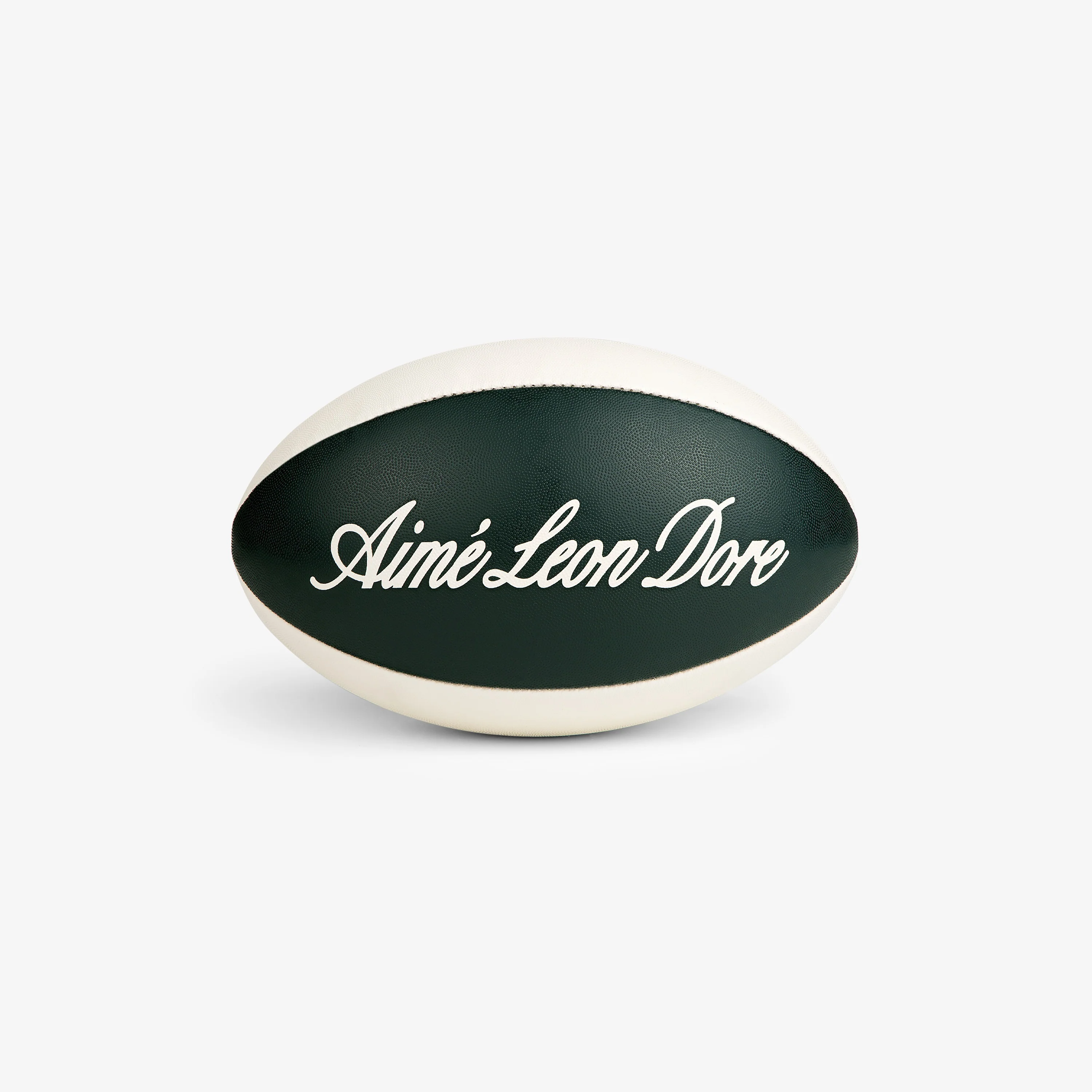
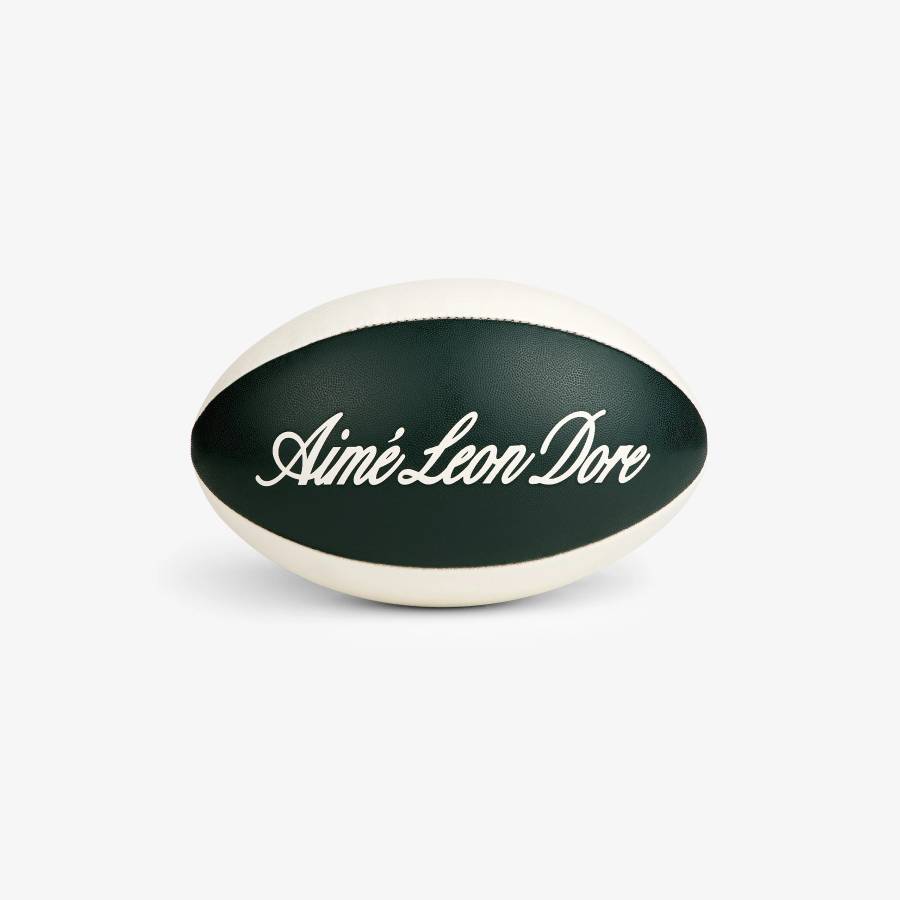
A custom leather rugby ball for a fashion brand is best developed by deciding its purpose first: a display object, a collectible, a campaign accessory or a ball intended for active use. Those are different briefs. A heritage-inspired look does not establish match suitability, and a fashion-led material choice should not be presented as performance approval. The Aimé Leon Dore rugby project provides a direct MVP Bespoke reference for this topic. The photographs also include clearly identified adjacent sporting pieces to explore collection and branding choices. They do not imply that MVP has completed five separate rugby commissions or that an American football is the same product as a rugby ball.
Write the intended use into the brief
For a collectible or display piece, focus the brief on silhouette, tactile materials, visual balance and how the product will be presented. Describe whether it will sit in a retail display, be carried in a campaign or become part of a customer collection. That context affects branding scale and the handling the object needs to accommodate. For active use, add the requirements that matter to that use, including dimensions, weight, handling and any applicable testing or governing-body standards. Do not infer certification from a traditional panel shape. Confirm the proposed product specification and the evidence needed for any performance claim before writing retail copy.
View the Aime Leon Dore project.
Translate heritage into a coherent design direction
The Aimé Leon Dore project uses pebbled leather and a printed script logo. It shows how a sporting form can become part of a fashion identity without requiring a dense graphic treatment. Start with your own brand codes: approved colours, typography, material references and the role of sport within the collection. Heritage-inspired should describe a design direction, not invent a historical association. If you want to reference a particular era, provide imagery you have permission to use and distinguish visual inspiration from a replica claim. Do not assign a year, club connection or archival provenance to a new design unless those facts are documented.
Review panel layout and logo placement together
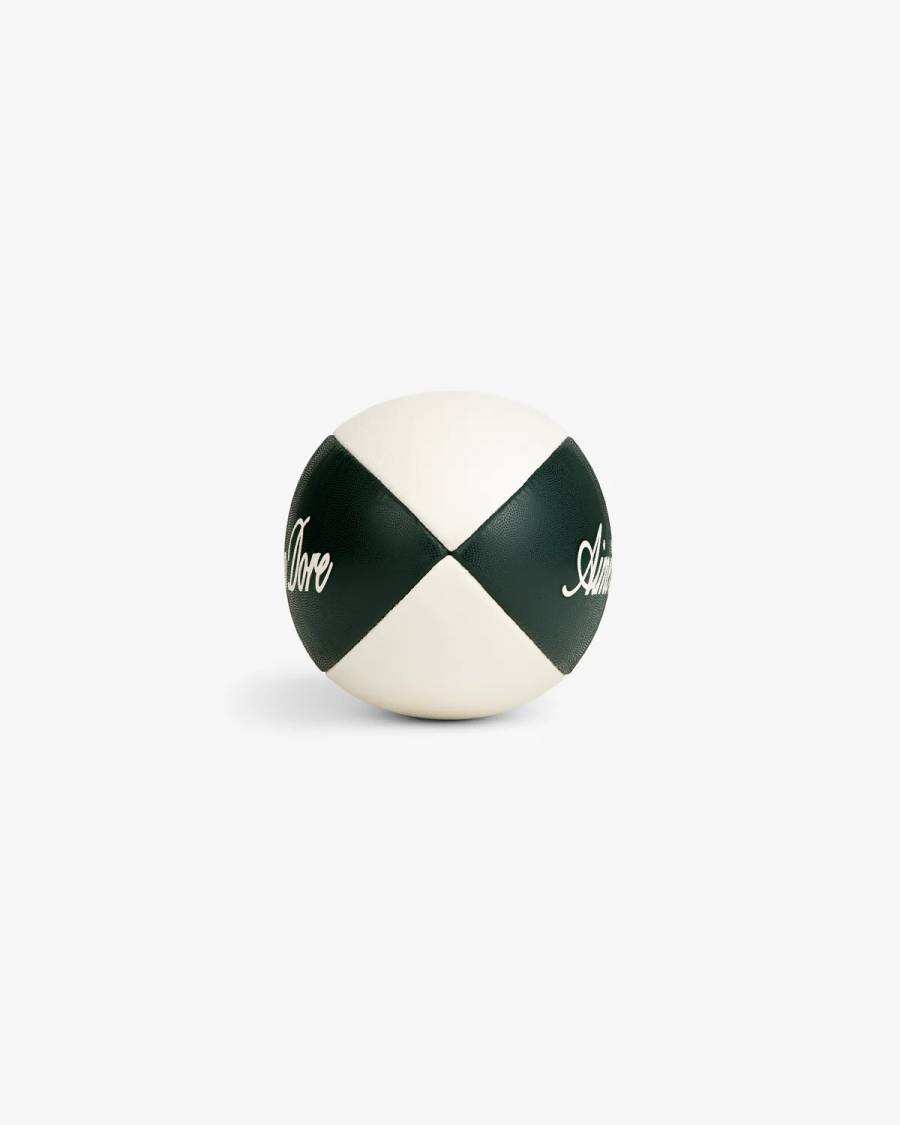
An oval form reads differently from each side. Ask for drawings or photographs that show the ends, seam arrangement and intended resting orientation, not only one attractive face. Decide which view is the primary retail or campaign view and how the logo behaves when the product is turned. The second rugby image below is another view of the same Aimé Leon Dore commission. It is useful because it reveals how the contrasting panels wrap around the object. For a new brief, assess whether artwork crosses a seam, whether the brand mark remains readable at the planned scale and whether the product looks balanced from more than one angle.
View the Aime Leon Dore project.
Keep rugby and American football specifications separate
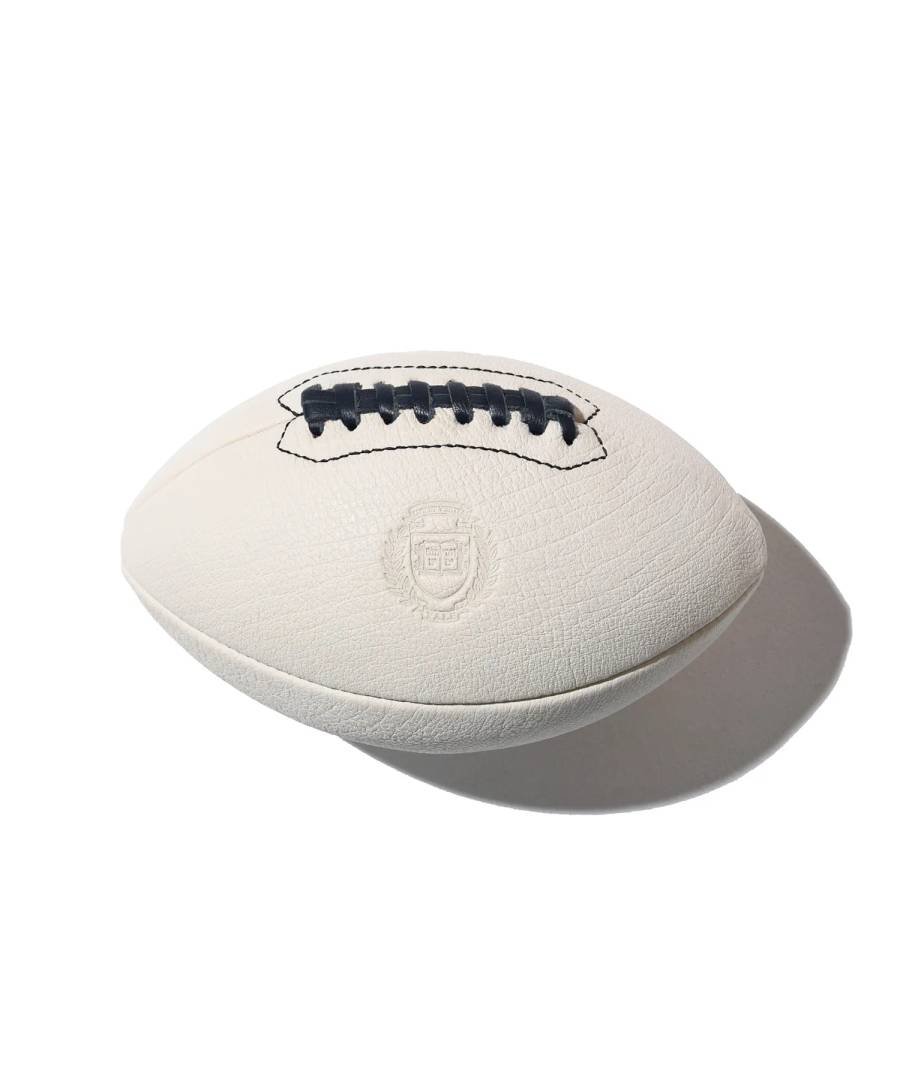
Oval sporting objects can share a design language while remaining different products. The Yale piece shown here is an American football, included as an adjacent heritage reference. Its construction and graphic placement should not be copied into a rugby specification without reviewing the different form and intended use. Make the product name precise in drawings, sampling notes and retail descriptions. If a collection includes both types, give them separate product references and approval records. A broad phrase such as leather sports ball is not enough when the buyer, designer and manufacturer need to agree which object is being developed.
Build a capsule rather than adding unrelated products
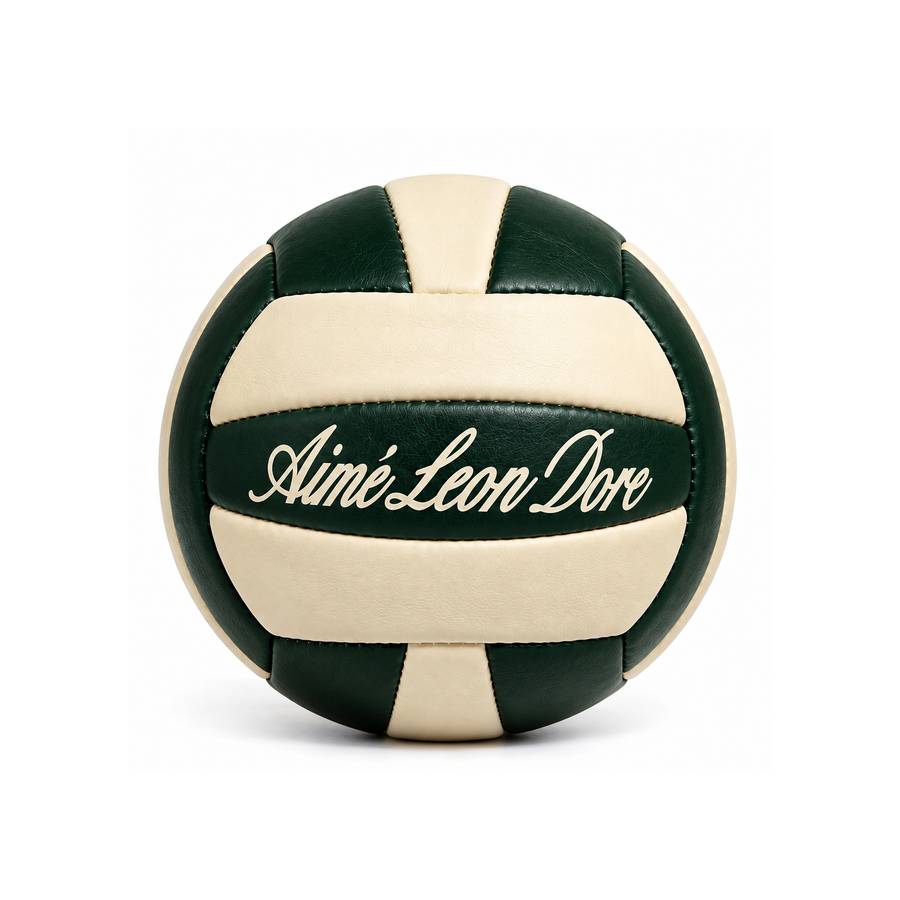
A rugby ball can anchor a small sporting capsule, but additional pieces should earn their place. Consider whether the audience wants a collectible object, a wearable accessory or a travel companion. A coherent palette and restrained branding can connect different categories without requiring the same material treatment on every item. The Aimé Leon Dore volleyball demonstrates an adjacent silhouette within fashion-led sporting work. It is not a rugby substitute. Use the example to ask how the proposed ball relates to the rest of your range: what should be consistent, and what needs to respond to its own shape and function? Our fashion collaboration product guide develops that selection question further.
View the Aime Leon Dore project.
Treat graphics as part of the material decision
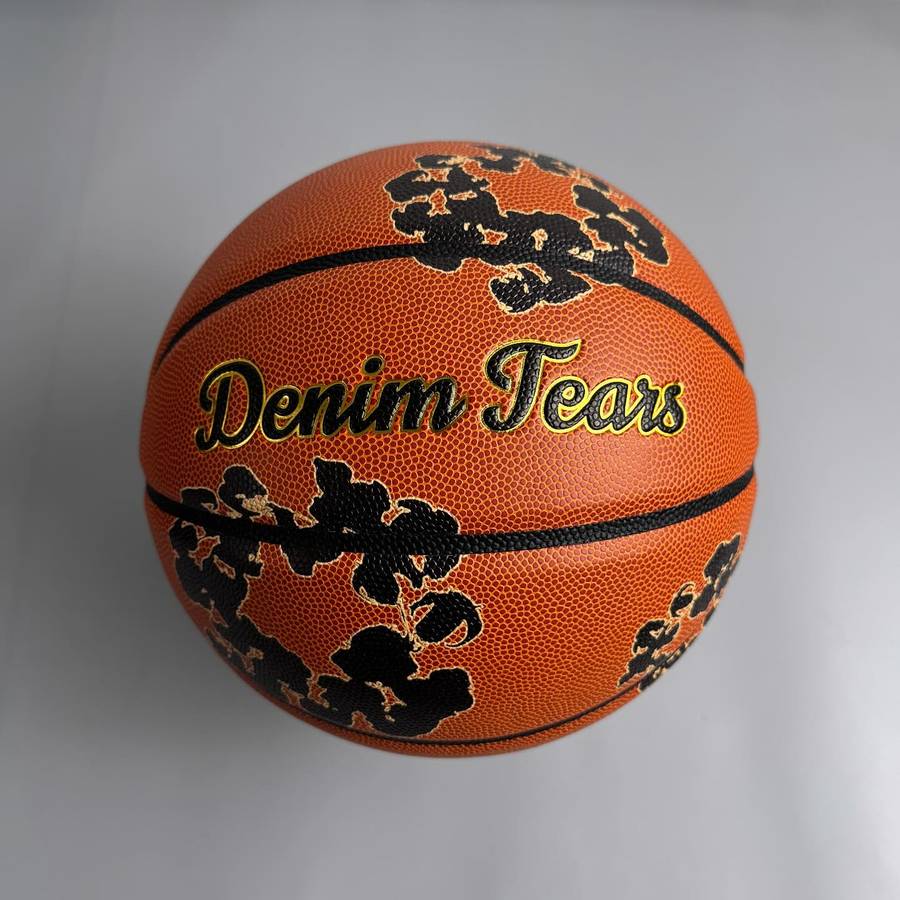
Graphic treatments on pebbled leather need to be reviewed on the actual finish. Fine detail, colour contrast and position can look different from the same graphic on paper. Supply approved artwork and discuss whether a script, crest or broader pattern is appropriate for the intended product and viewing distance. The Denim Tears basketball is an adjacent fashion-brand example showing a distinct graphic language on a different sporting form. It does not establish how that graphic would transfer to a rugby ball. Approve the actual method, dimensions and placement on your proposed material, and refer to our leather branding comparison when comparing relief and printed options.
Confirm presentation, care and approval records
A display-oriented product still needs considered packaging and clear information. Decide whether the ball will be sold alone, presented with a carrier or placed within a coordinated set. Specify protection against movement and surface contact during delivery, and confirm how the customer should store and care for the finished item. Before approving, review the agreed dimensions, material, panel pattern, artwork and intended use together. Keep any unresolved substitutions or testing requirements visible. Do not let a visually convincing campaign sample become the production benchmark if its material or construction differs from the version being ordered.
- Identify display, collectible, campaign or active-use purpose.
- Supply brand artwork, palette and authorised visual references.
- Review the ball from multiple angles and confirm its resting presentation.
- Separate rugby specifications from other oval-ball categories.
- Agree packaging, care information and the sample approval record.
Can a leather rugby ball be both a collectible and a playing ball?
Potentially, but those requirements must be discussed explicitly. A collectible description or heritage appearance is not evidence of match suitability. Agree the construction and any required performance evidence for the intended use.
How many rugby examples are shown in this guide?
Two views come from one completed Aimé Leon Dore rugby commission. The other photographs are named adjacent references for oval forms, fashion capsules and graphic treatment.
Start your project
Explore our fashion lifestyle brands completed work and share a project brief with your organisation, intended use, product direction, indicative quantity, delivery country and target date. MVP Bespoke will review the materials, branding, sample approach and packaging against your particular brief.