Custom Merchandise for Clubs and Sporting Organisations
How professional clubs and sporting bodies build premium merchandise ranges that protect the crest and hold margin.
Club merchandise is having a rethink
Walk into most club shops and the offer is the same as it was twenty years ago: a replica shirt, a scarf, a cap. Meanwhile the clubs and sporting organisations winning the merchandise game — from football clubs to basketball franchises to boxing gyms — are treating merchandise like a product line, not an afterthought. Premium, limited, made from materials worth keeping. Custom leather sporting goods are at the centre of that shift. Here is how clubs are using them, and how to build a merchandise line your members actually want.
Why premium merchandise outperforms
- **Margin** — a leather ball or glove sells at ten times the margin of a printed tee, to the same fan
- **Longevity** — a full-grain leather piece sits on a shelf for decades, keeping the club crest in view
- **Story** — "hand-stitched leather" is a story a synthetic product cannot tell
- **Scarcity** — numbered limited editions create drops, queues and resale value
The products clubs are commissioning
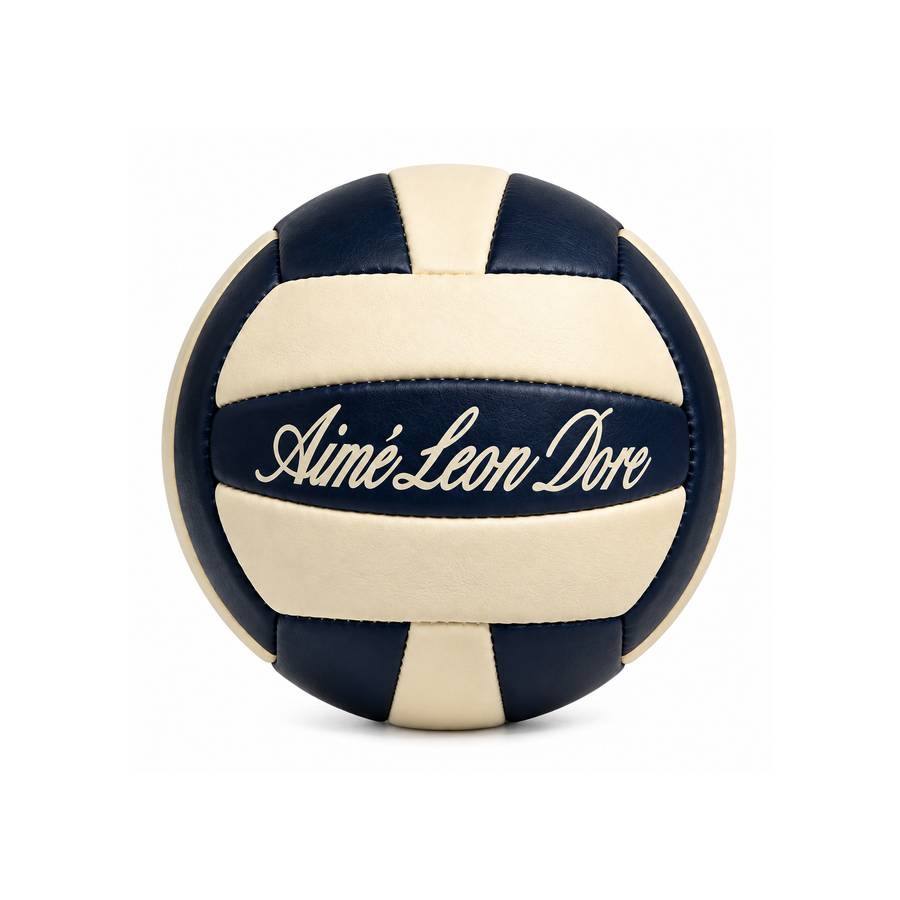
Heritage balls
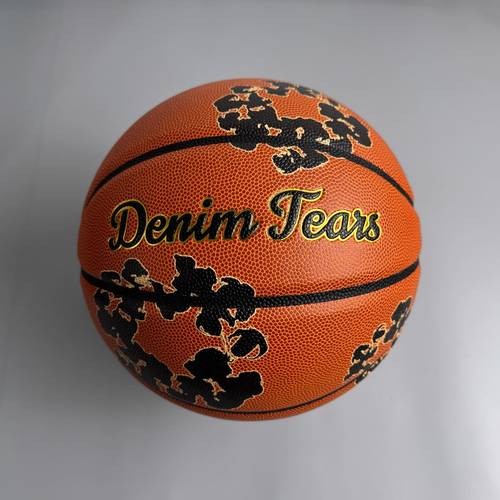
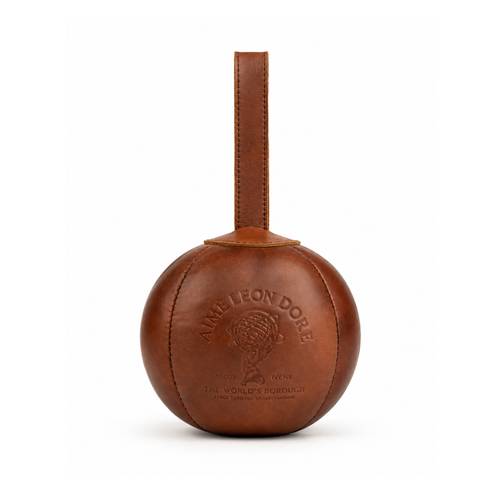
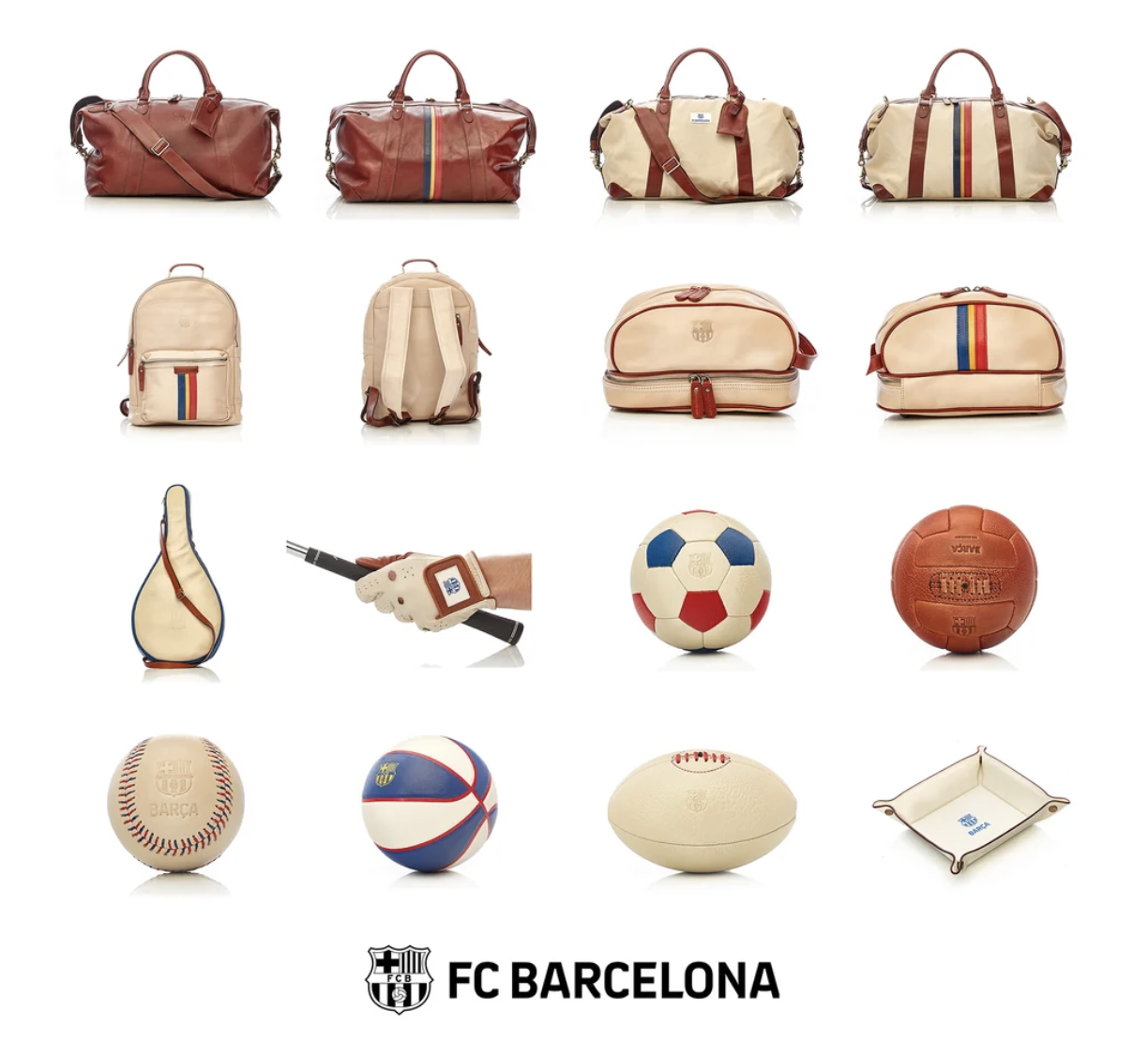
Leather American footballs, soccer balls, basketballs and rugby balls in club colours with an embossed crest. The flagship of any premium range — retail product, VIP gift and trophy-piece in one.
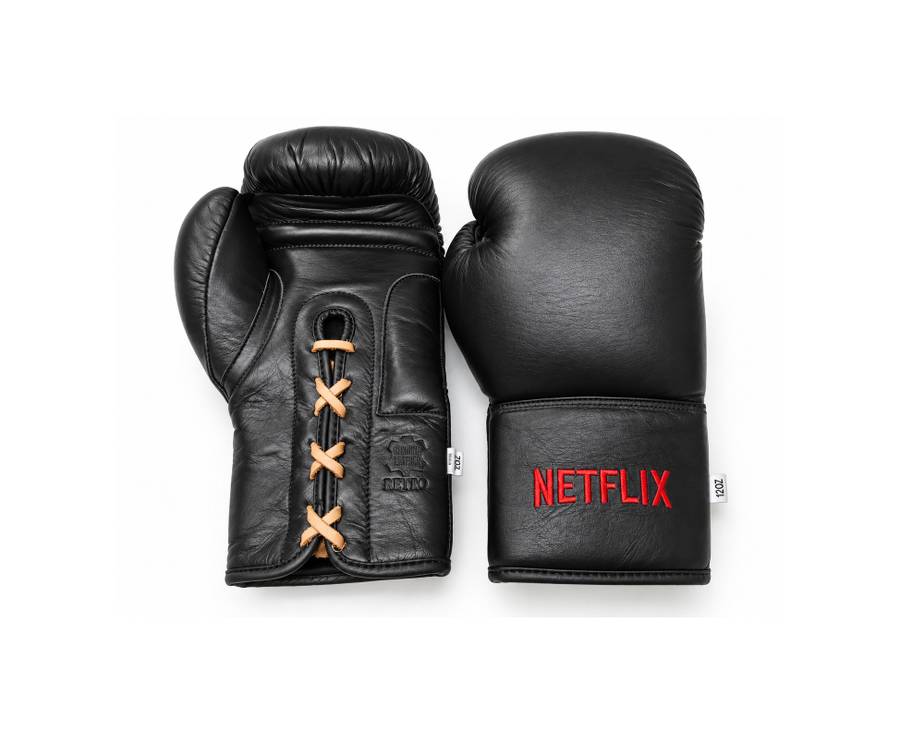
Boxing and training gear
For boxing gyms, MMA clubs and fitness brands: custom gloves, focus mitts and leather gym accessories in house colours. Members train with the brand every session.
Golf and lifestyle accessories
Cabretta gloves, head covers, ball markers, duffels and wallets — the corporate and member-gifting tier.
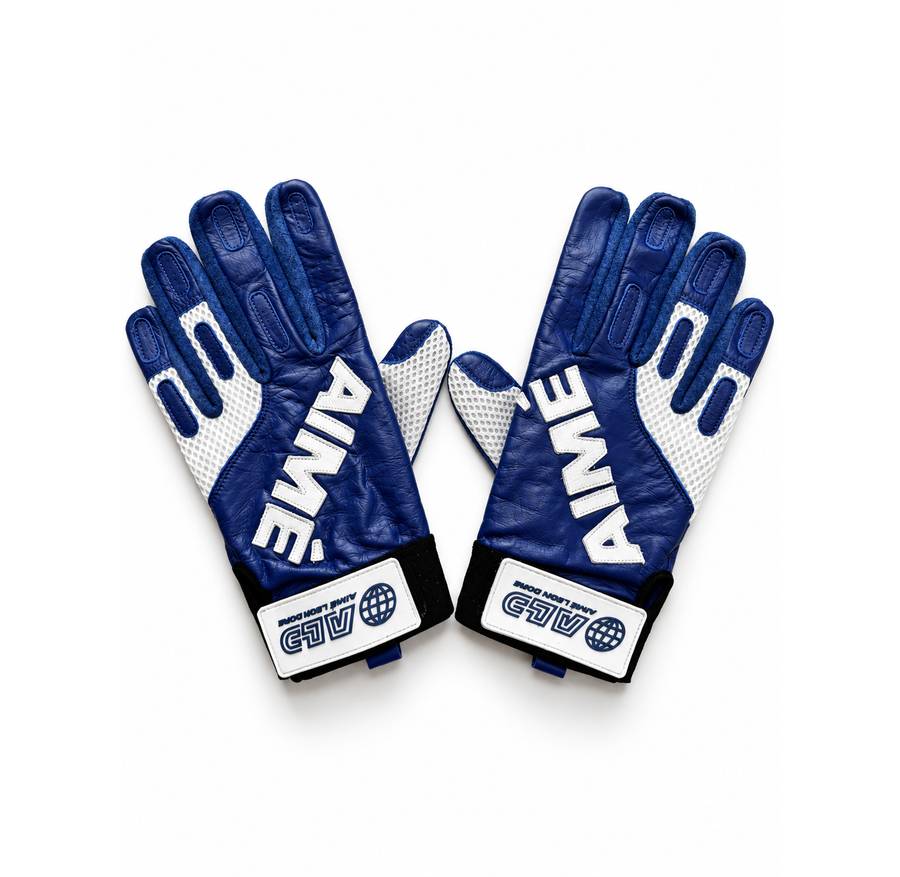
Licensed and collaboration pieces
Clubs licensing their marks into fashion collaborations — the model behind some of the most successful sport-lifestyle crossovers of the last decade.
Building the line: a practical approach
- **Start with one hero product** — a heritage ball or a glove in club colours. Prove the demand before extending the range.
- **Use limited runs** — numbered editions of 50–500 create urgency and protect against overstock.
- **Tier the offer** — a display piece for retail, a playable version for purists, a personalised version for gifting.
- **Match the brand properly** — leathers dyed to your exact colours, crests debossed, not printed. Premium merchandise fails when it looks like relabelled stock.
Licensing, approvals and timelines
For licensed marks we work within your approval process: mock-ups for sign-off, physical samples before production, and production runs from small batches to thousands. A realistic timeline from brief to delivery is eight to twelve weeks — plan around season launches, tournaments and holiday retail. Minimum total project value is USD $2,500 plus shipping, with quantity bands from five units up.
Frequently asked questions
What is the minimum run for club merchandise?
There is no fixed minimum quantity — we work in bands from five units up, with a minimum total project value of USD $2,500 plus shipping.
Can you work within our brand guidelines and approval process?
Yes. We produce mock-ups and physical samples for sign-off and follow your licensing approvals at every stage.
Can merchandise be personalised for members or players?
Yes — embossed names, squad numbers and numbered editions are all available.
Do you handle fulfilment?
We ship worldwide and can split deliveries across retail, hospitality and gifting channels.
Start your merchandise project
Tell us about your club or organisation through our contact page, and we will come back with product ideas, mock-ups and a sampling plan.