Inside the Craft: How Bespoke Sporting Goods Are Made
From brief to hand-stitched product — the full development process behind bespoke sporting goods, and where quality is won or lost.
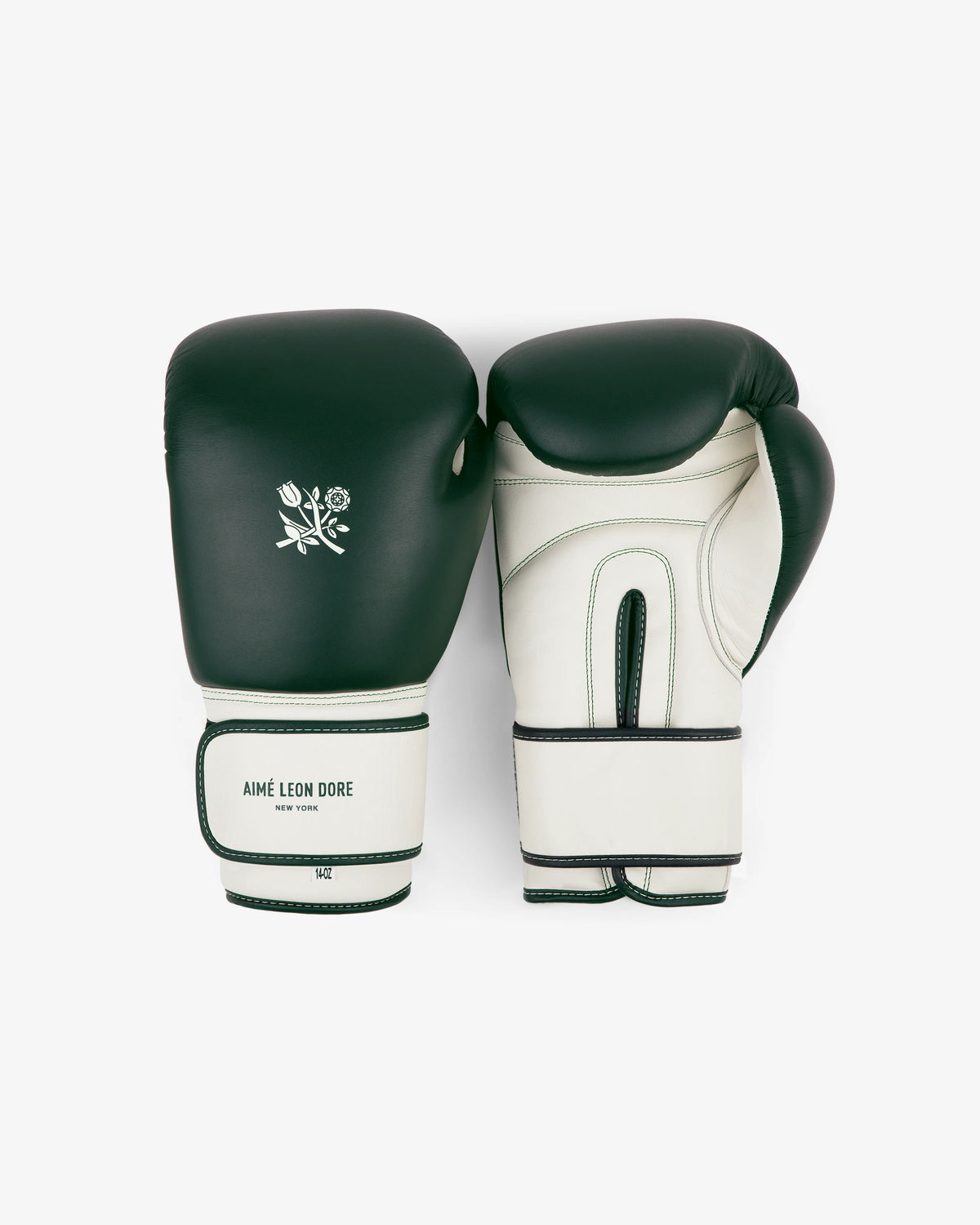
From a sketch to a finished glove
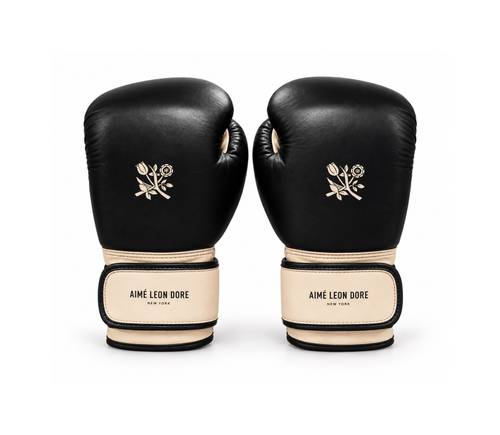
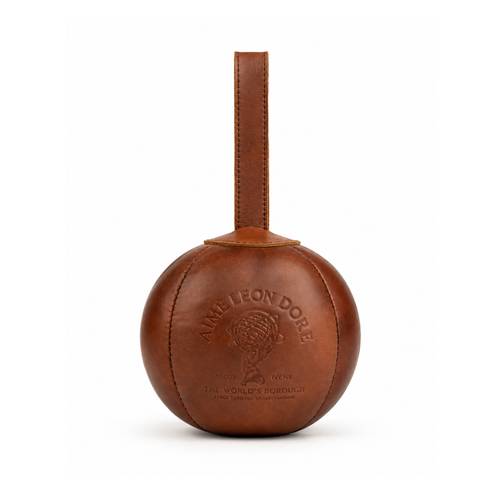
Most people never see how a bespoke sporting good is made. They see the finished piece — a leather boxing glove, a medicine ball, a golf bag — and not the weeks of pattern-making, cutting, stitching and finishing behind it. This is a look inside our workshop process, the same process we have refined since 2014 across more than 500 different products. Understanding the craft matters if you are commissioning custom sporting goods, because every decision — leather, stitch, fill, hardware — shows up in the finished piece.
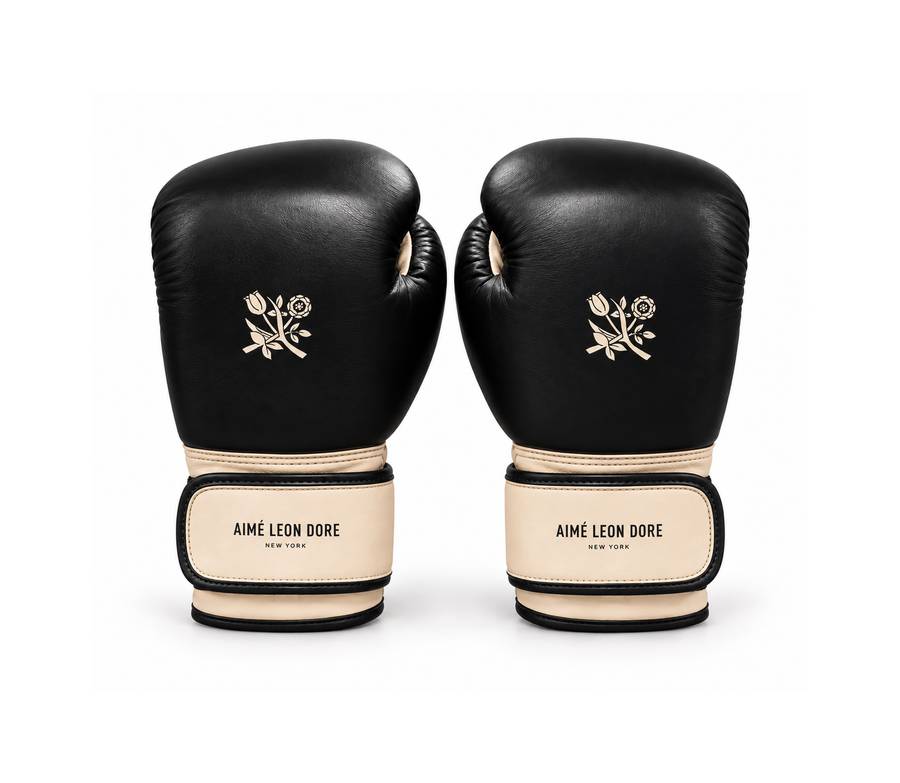
Stage one: the pattern
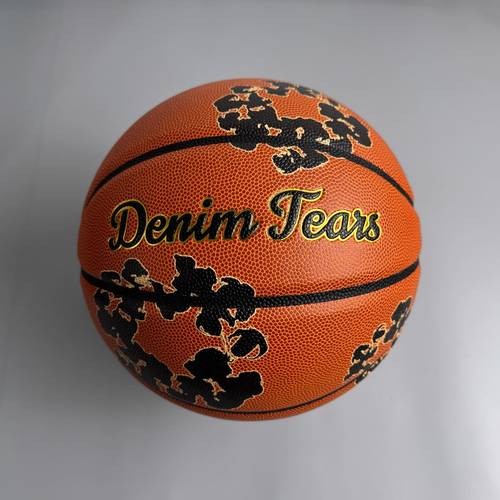
Every product starts as a pattern — the flat templates each panel is cut from. A boxing glove pattern has over a dozen panels; a leather basketball has eight or more; a golf bag has dozens. Getting the pattern right is what makes panels meet cleanly, seams run straight and the finished piece hold its shape. For custom commissions we draft patterns to the brief: dimensions, silhouette, panel layout and where the branding will sit. A new pattern is often the difference between a product that looks custom and one that looks like a relabelled stock item.
Stage two: selecting and cutting the leather
We work primarily with full-grain cowhide, vegetable-tanned leathers, cabretta and nappa. Hides are inspected for grain consistency, then each panel is cut by hand or clicker press. Cutting is where quality is won or lost — a panel cut against the stretch will twist a seam six months later. Colour is matched at this stage too: leathers are dyed to Pantone references, and strike-offs are approved before a run is cut.
Stage three: stitching
Stitching is the signature of a leather good. Depending on the product we use:
- **Saddle stitching** — two needles, one thread, done by hand. The strongest and most beautiful seam, used on gloves, grips and heritage pieces.
- **Machine stitching** — for long structural seams on bags and balls, using heavy bonded thread.
- **Contrast stitching** — brand colours carried through the construction itself.
A single pair of boxing gloves can take hours of stitching. It is slow work, and it is exactly why the finished pieces feel the way they do.
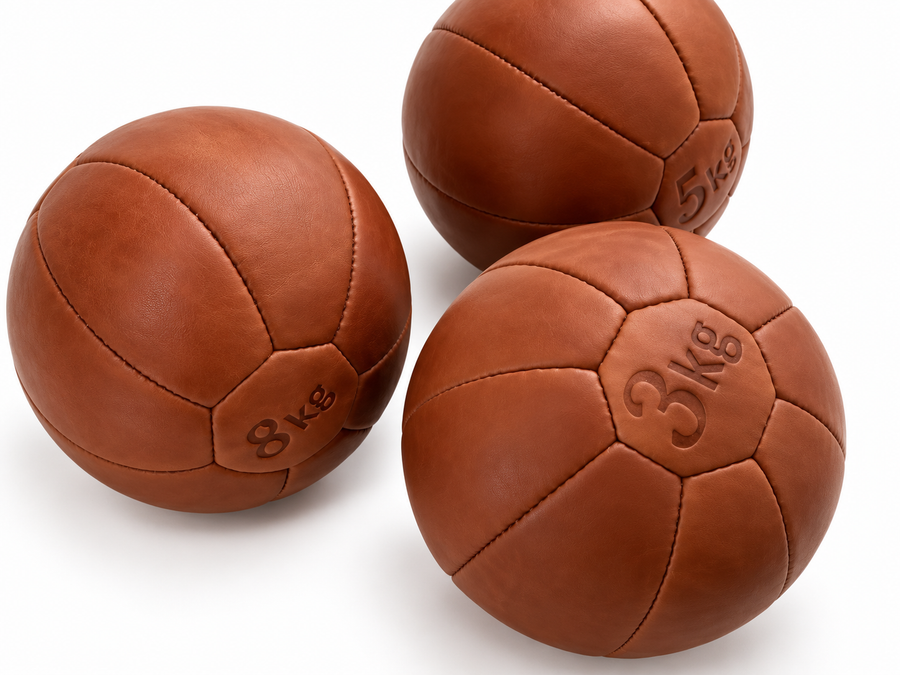
Stage four: filling, forming and assembly
Balls get their bladders and balanced fills; punching bags get layered fills that keep their shape under years of strikes; gloves get multi-density foam padding built up by hand. This is the stage where a product becomes functional — where a medicine ball becomes round and true, and a glove becomes protective rather than just beautiful. Hardware goes on here too: buckles, D-rings, chains, zips and swivels, in brass, steel or matte black finishes.
Stage five: branding and finishing
The final stage is where a product becomes yours:
- **Debossing and foil stamping** — crests and wordmarks pressed into the leather
- **Embroidery** — names, numbers and detailed logos
- **Edge finishing** — edges bevelled, burnished and painted by hand
- **Final inspection** — every piece checked against the approved sample before it ships
Why the process matters for your commission
When you commission bespoke sporting goods, you are really commissioning this process. The questions worth asking any maker: Can I approve a physical sample? Are leathers matched to a reference? Is stitching hand or machine, and where? What fill and hardware do you use? The answers tell you whether you are buying craft or relabelling.
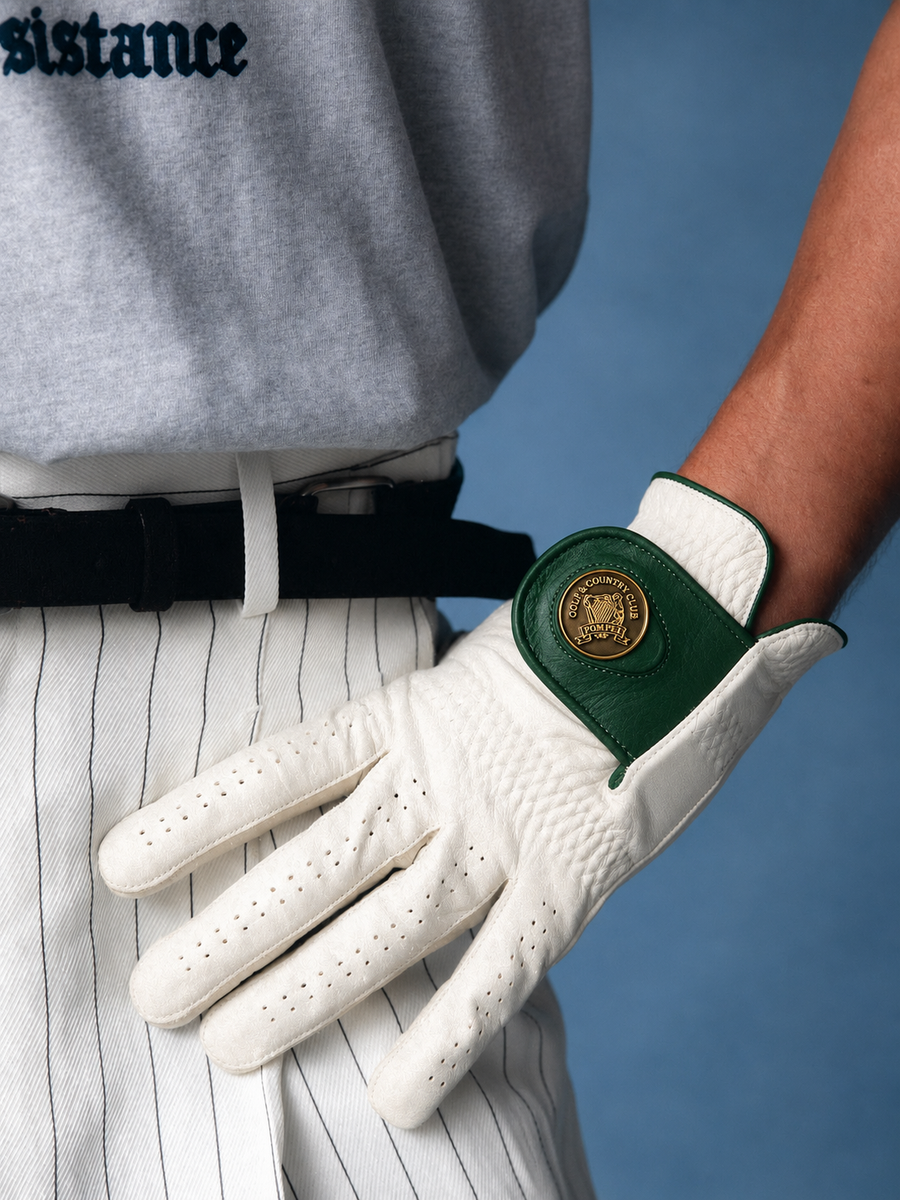
Commission a piece of the craft
We take projects from brief to finished piece in eight to twelve weeks, with physical sampling before production and a minimum total project value of USD $2,500 plus shipping. Start the conversation on our contact page, or explore what is possible in the Design Studio.