In-Room Fitness for Luxury Hotels: Planning a Bespoke Guest-Suite Collection
Plan a bespoke hotel guest-suite fitness collection: compact equipment, storage, guest safety, housekeeping and the distinction from a shared gym.
In-room fitness is a collection of equipment made available within a hotel guest's room or suite, rather than in a shared fitness centre. A successful bespoke collection starts with the room layout, the intended activity and the property's operating routine—not with a list of attractive objects. Compact accessories can be considered, but every piece still needs an agreed purpose, safe use space, appropriate storage and a workable cleaning process. This guide is for hotel owners, interior designers and wellness teams planning a guest-suite offer. The project photographs below are real MVP Bespoke commissions used as product and material references. They are not evidence that those products have been installed together in a hotel bedroom, and the shared-gym examples should not be mistaken for guest-room layouts.
Decide what the guest experience actually includes
Choose between a permanent suite collection, equipment delivered on request and a small set reserved for selected room types. Permanent pieces affect furniture planning and housekeeping every day. Delivered equipment needs a collection point, a staff handover and a return check. A suite-specific offer needs consistent wording in room information so guests understand what is included without assuming that every room has the same arrangement. Then identify the activity. A quiet mobility session and skipping require different floor areas, clearance and noise considerations. An appealing accessory is not automatically suitable for every guest or every room. Your wellness team should review the proposed activities, instructions and accessibility with the people responsible for hotel operations.
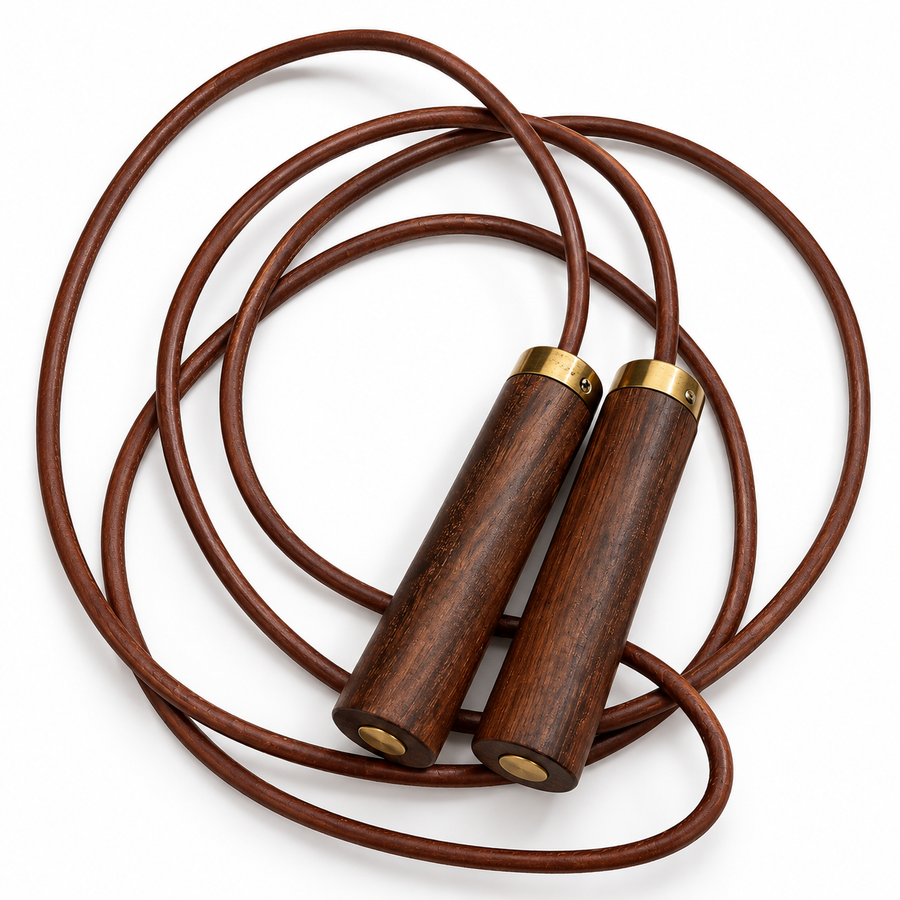
View the Modest Vintage Player project.
Select compact pieces around the available space
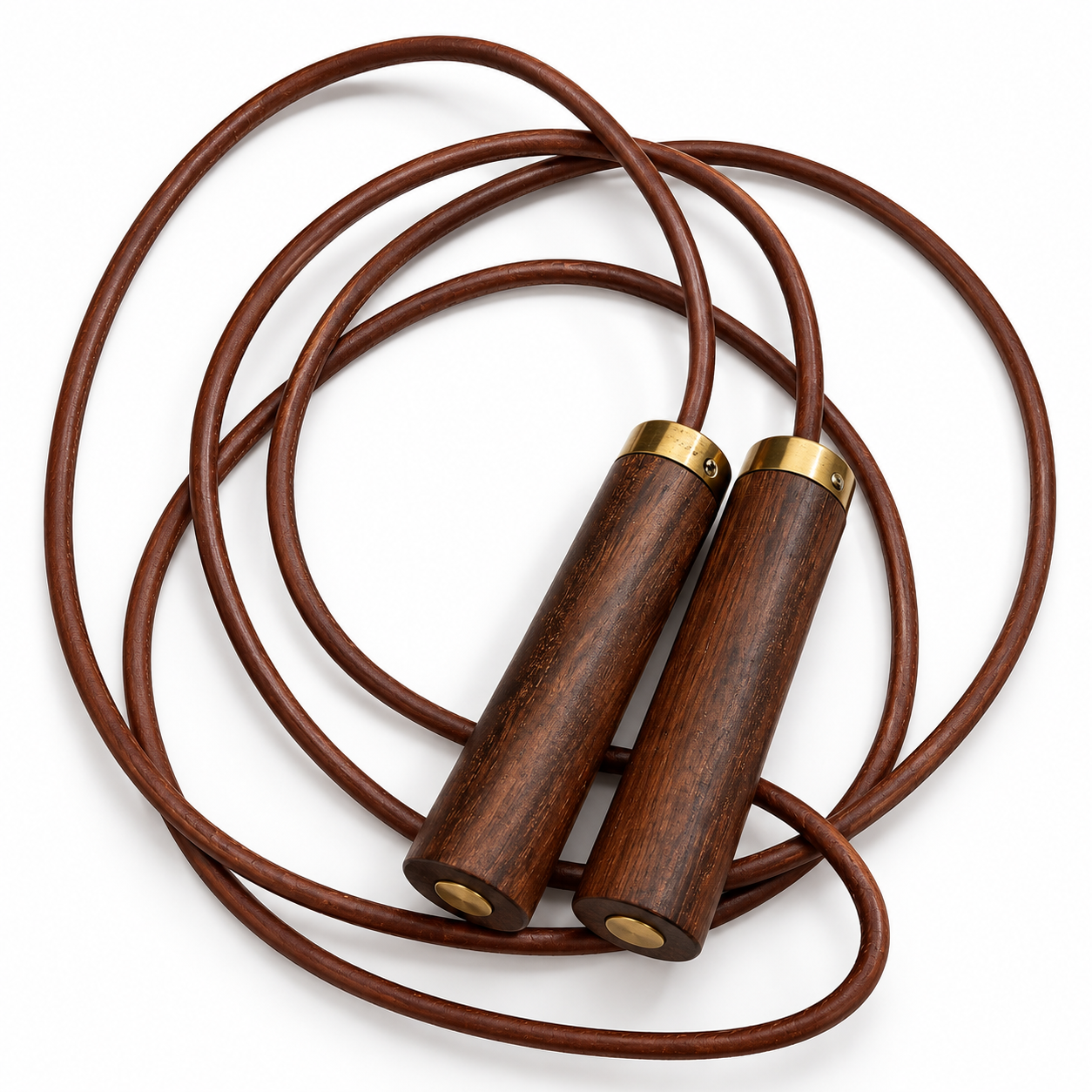
A jump rope illustrates compact storage, but its compact packed size does not mean it can be used in a compact room. Confirm ceiling clearance, the area around the user, the floor finish and disturbance to neighbouring rooms before including one. The Modest Vintage Player timber-and-leather rope is a useful reference for material coordination; it is not a recommendation to skip beside guest furniture. Medicine balls and leather-wrapped weights raise another set of questions. Confirm the proposed weight, grip, handling instructions, surface contact and whether staff can move the item comfortably. Avoid treating a photograph as a performance specification. A product intended as a design object should not be silently converted into training equipment because it fits the interior palette.
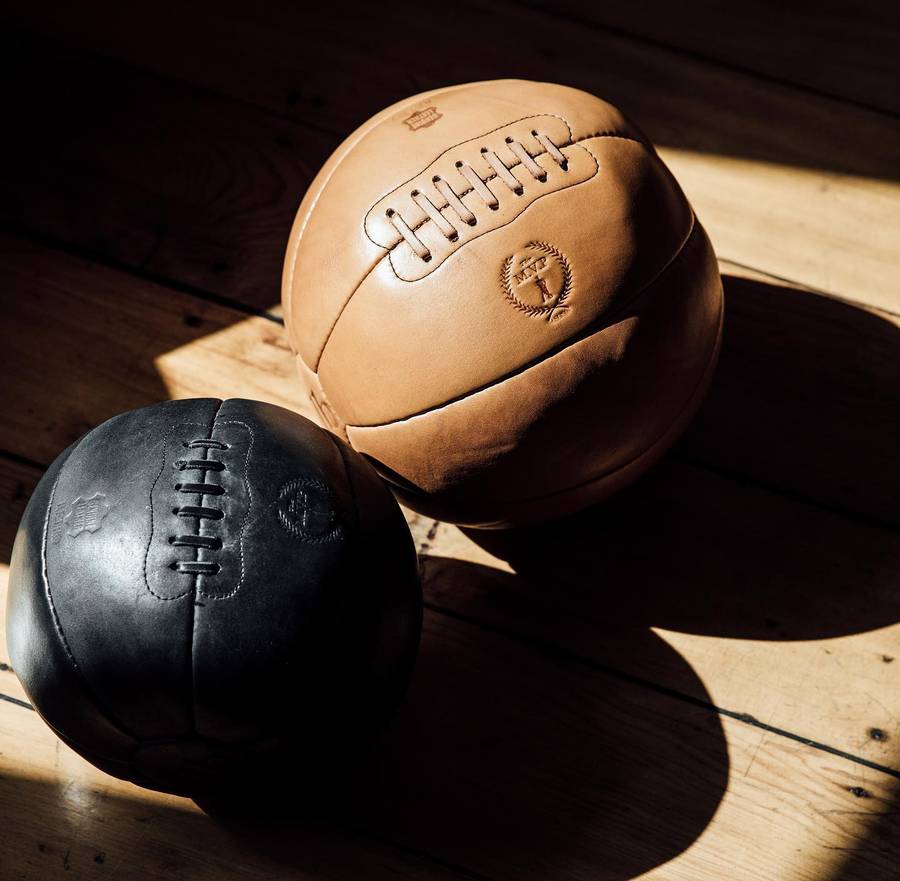
View the Modest Vintage Player project.
Separate aesthetic references from functional approval
The Aimé Leon Dore leather kettlebell demonstrates how a familiar fitness silhouette can carry a distinct brand identity. For a new hotel brief, that visual reference should lead to questions about the actual construction, intended use and care requirements. Do not infer an approved exercise programme, load rating or particular weight from the image. Ask for the proposed specification before deciding which pieces belong in the collection. If the project needs performance testing, certifications or specialist instructions, identify those requirements explicitly. MVP Bespoke's published portfolio shows product design and completed commissions; it does not establish that every existing format meets every property's proposed operating conditions.
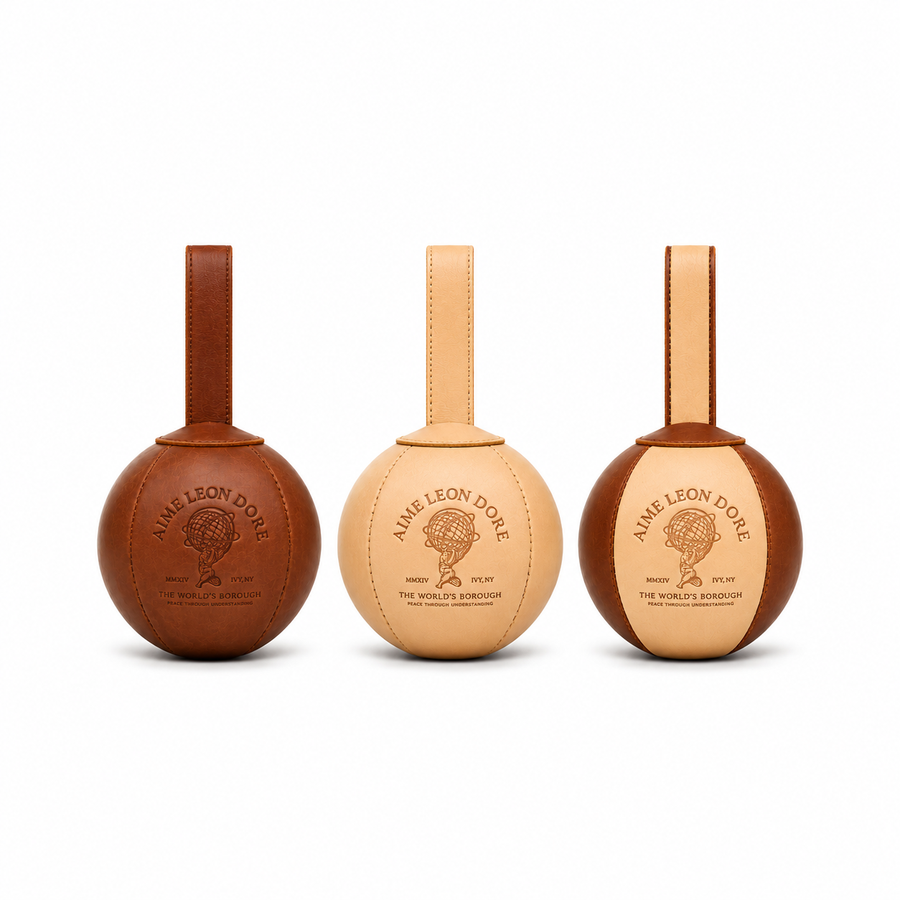
View the Aime Leon Dore project.
Plan storage as part of the room design
Describe where each item rests when not in use. A shelf, tray, cabinet or carrier should fit the finished dimensions, provide a stable resting place and allow staff to see whether anything is missing. Do not choose a concealed compartment solely because it looks tidy: housekeeping must be able to remove equipment, clean the storage area and return the correct pieces without guesswork. Consider contact between materials. A leather accessory left against a damp towel or a newly treated timber surface may need a different storage arrangement. Ask for material-specific guidance rather than relying on a general furniture-care routine. Review the entire set in the actual room lighting, including any labels, instruction cards and carrying handles.
Keep guest rooms distinct from shared fitness suites
A shared wellness room can accommodate installations that a bedroom cannot. The Manchester Hotel boxing project provides a documented hospitality example, but it should be read as a reference for a dedicated wellness environment. Hanging bags involve structural fixing, movement space and installation review; they are not a default guest-suite accessory. If your property also has a fitness suite, develop related but separate briefs. The colours and branding can belong to the same visual family while the equipment, supervision, cleaning frequency and storage remain appropriate to each location. See our hotel fitness-suite briefing guide for the shared-space discussion.
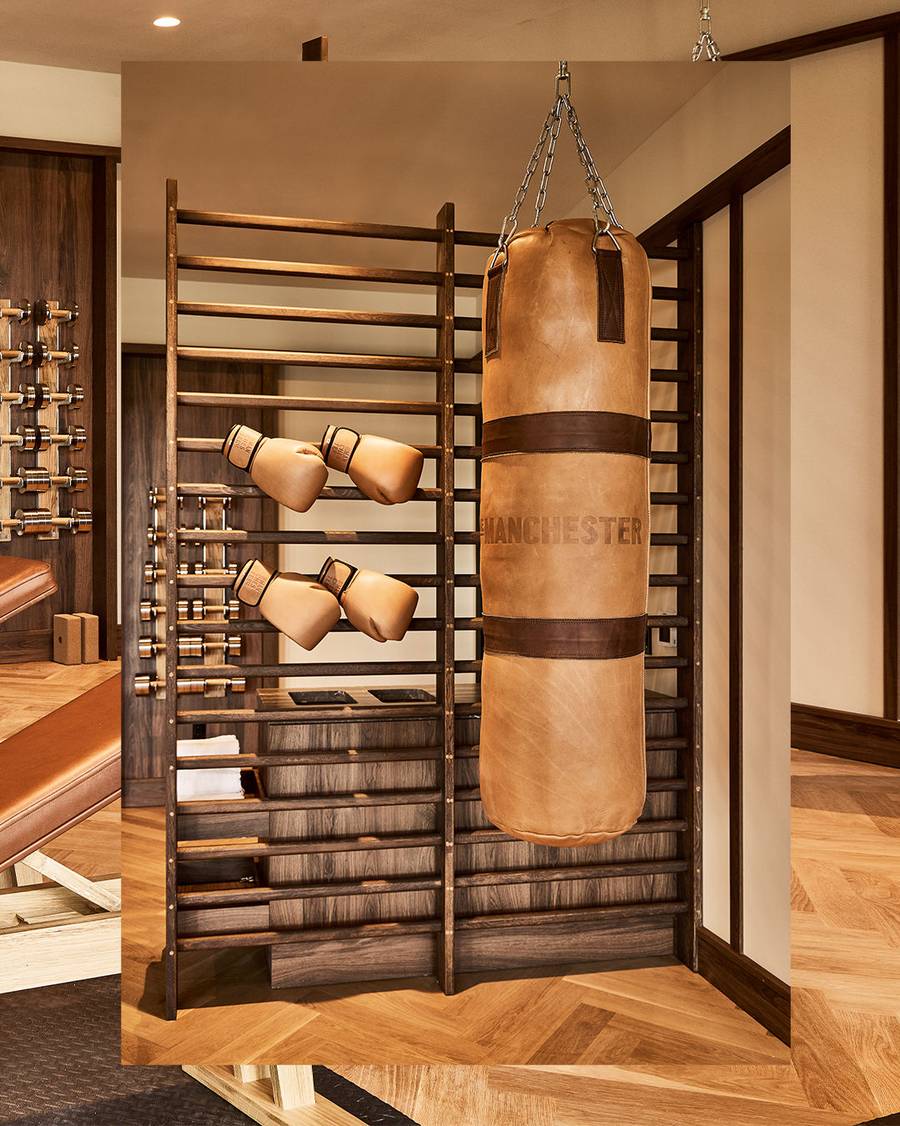
View the Manchester Hotel project.
Agree the housekeeping and replenishment routine
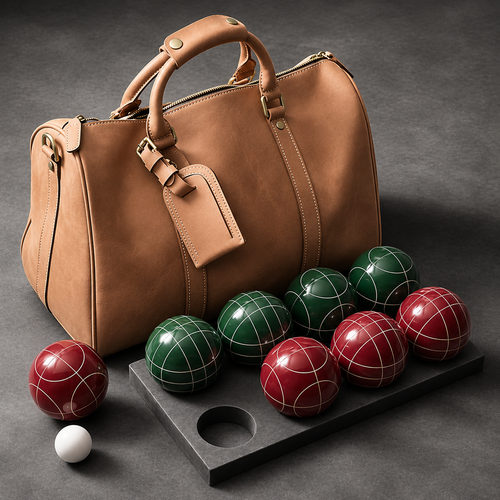
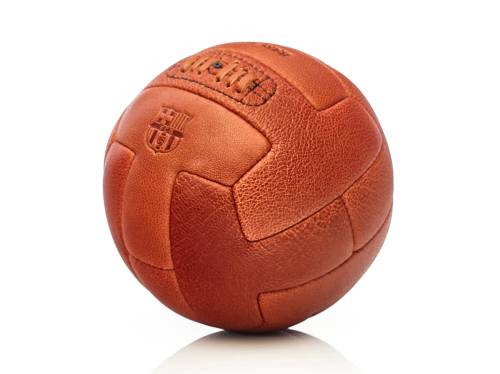
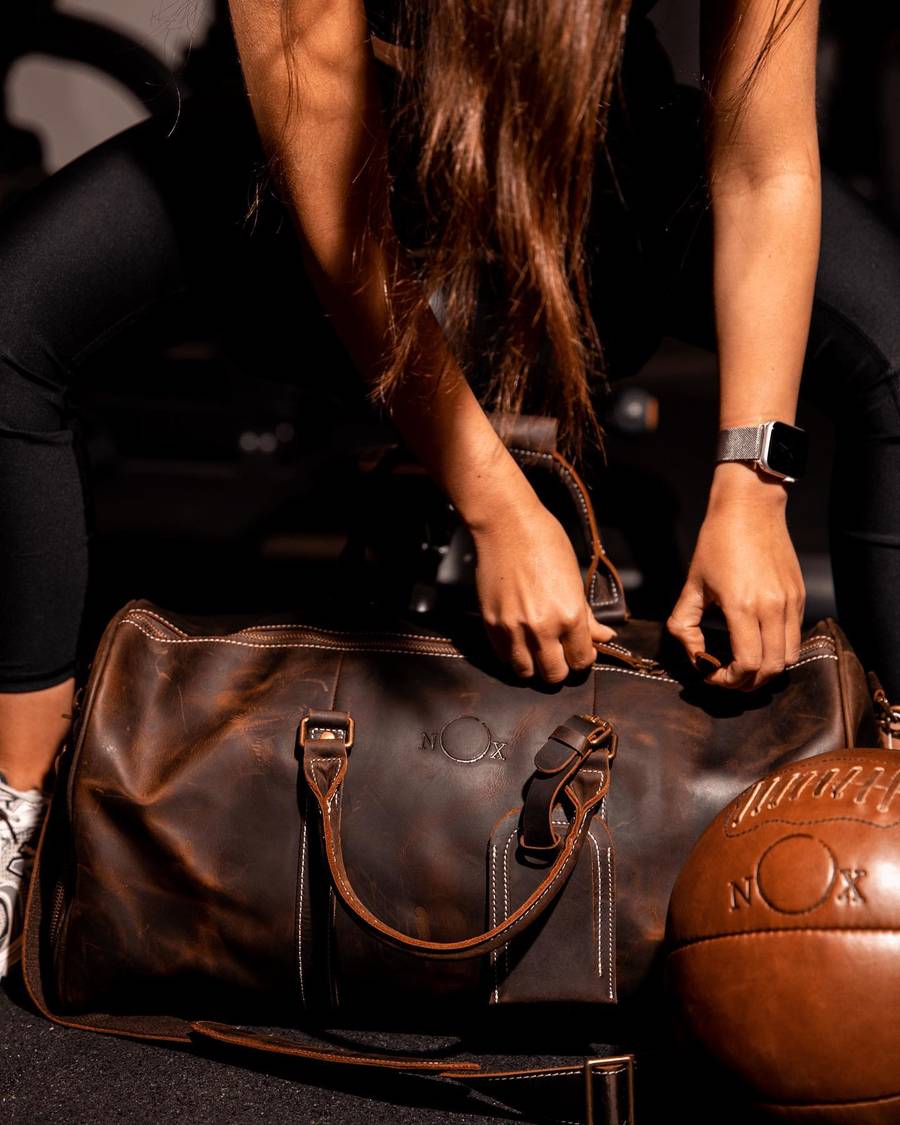
A coordinated Nox Vintage duffel and medicine ball shows how a collection can share a material language. For hotel use, a carrier also needs a clear operational purpose: delivery, storage or transport. Specify which one matters, then review access, weight and whether used equipment will be enclosed before it has dried. Before approval, give housekeeping a practical walk-through. Identify cleaning products, drying space, the inspection routine, staff responsibilities and the process for removing damaged items. A beautiful set that cannot fit the hotel's turnover routine is not ready to commission. If care requirements conflict with the property's hygiene policy, revisit the materials instead of expecting staff to improvise.
A useful guest-suite project brief
- Identify the room types, collection model and proposed activities.
- Supply room plans, ceiling heights, floor finishes and storage dimensions.
- Separate product appearance from functional and safety requirements.
- Include interior colours, hotel artwork and preferred branding placement.
- Describe cleaning, drying, inspection and guest handover responsibilities.
- Confirm whether the pieces must coordinate with a separate shared gym.
Can a guest-room collection use the same products as the hotel gym?
Possibly, but location changes the brief. Available space, noise, storage and the level of supervision can make the same format inappropriate in a bedroom. Review the proposed use rather than duplicating the shared-gym order automatically.
Should we commission the furniture or equipment first?
Develop them together. The agreed equipment dimensions and care requirements should inform the storage design, while the room plan determines which activities and product formats can be considered.
Start your project
Explore our luxury hotels resorts completed work and share a project brief with your organisation, intended use, product direction, indicative quantity, delivery country and target date. MVP Bespoke will review the materials, branding, sample approach and packaging against your particular brief.