Luxury Corporate Gift Packaging: Designing the Presentation Around the Product
Plan corporate gift presentation around the actual product: fitted protection, carriers, artwork, recipient messages, packing checks and event delivery.
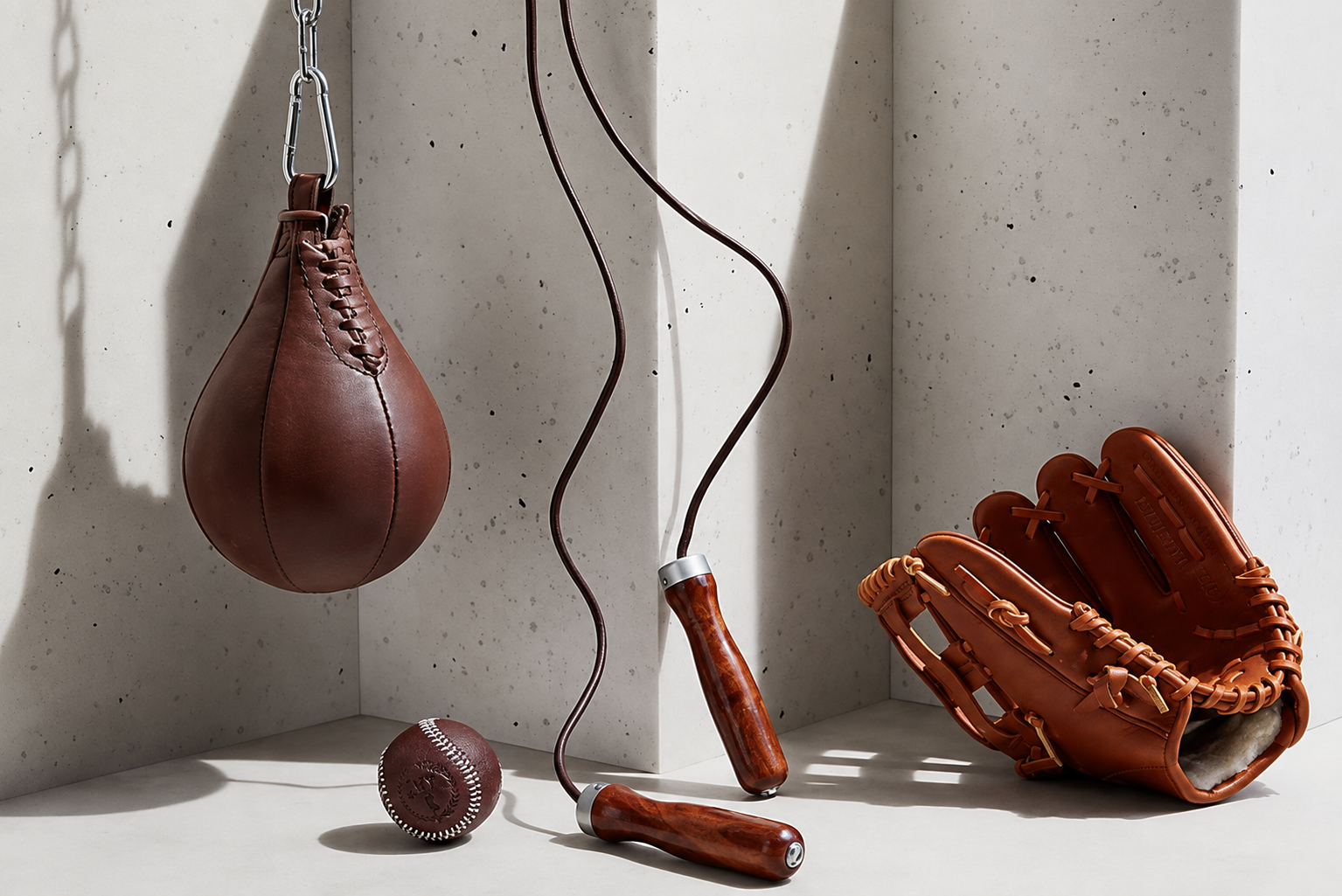
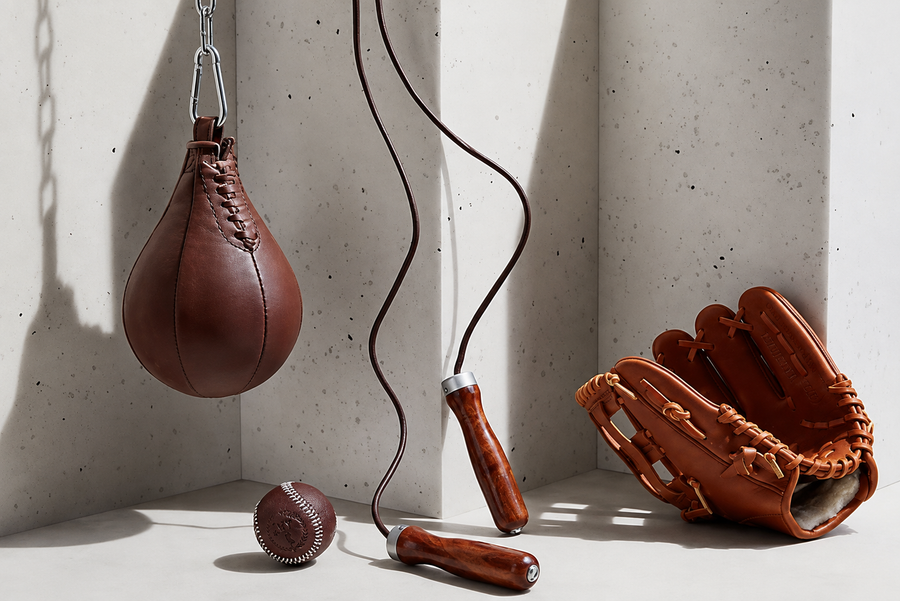
Luxury corporate gift packaging should be designed around the finished product, its recipient and its journey. A presentation box, a protective insert, a leather carrier and a shipping carton perform different jobs. The brief should distinguish those jobs instead of expecting a beautiful outer box to protect every item or communicate the whole occasion on its own. The photographs in this guide show actual MVP Bespoke products and collections. They are references for the objects that packaging may need to hold, not evidence of a particular box, insert or corporate gifting programme. Specific packaging formats and materials must be reviewed for the proposed commission.
Separate presentation from transit protection
Begin with two scenarios: how the recipient opens the gift, and how the packed product reaches them. An item handed over at an event has a different journey from one sent individually across countries. Both need protection, but the handling stages, carrier requirements and opportunities for inspection differ. Describe the sequence from packing to delivery. Identify who assembles the set, whether items travel together or separately, and whether event staff need to check each gift before presentation. The retail-facing finish and the shipping pack should be developed together, even when the recipient will never see the outer carton.
Design around the actual finished dimensions
Use a finished sample or an agreed dimensioned specification to determine the internal fit. A leather ball, a pair of gloves and a folding valet tray need different restraint and clearance. Avoid choosing a standard box first and then compressing the product to make it fit. A tight presentation can mark a surface or distort an object as easily as a loose one can permit movement. The Modest Vintage Player valet trays show a small lifestyle format with folding corners. For a new gift brief, confirm whether an item is packed assembled or flat and how the recipient should set it up. That decision affects the packaging footprint, the opening sequence and the instructions that may be needed.
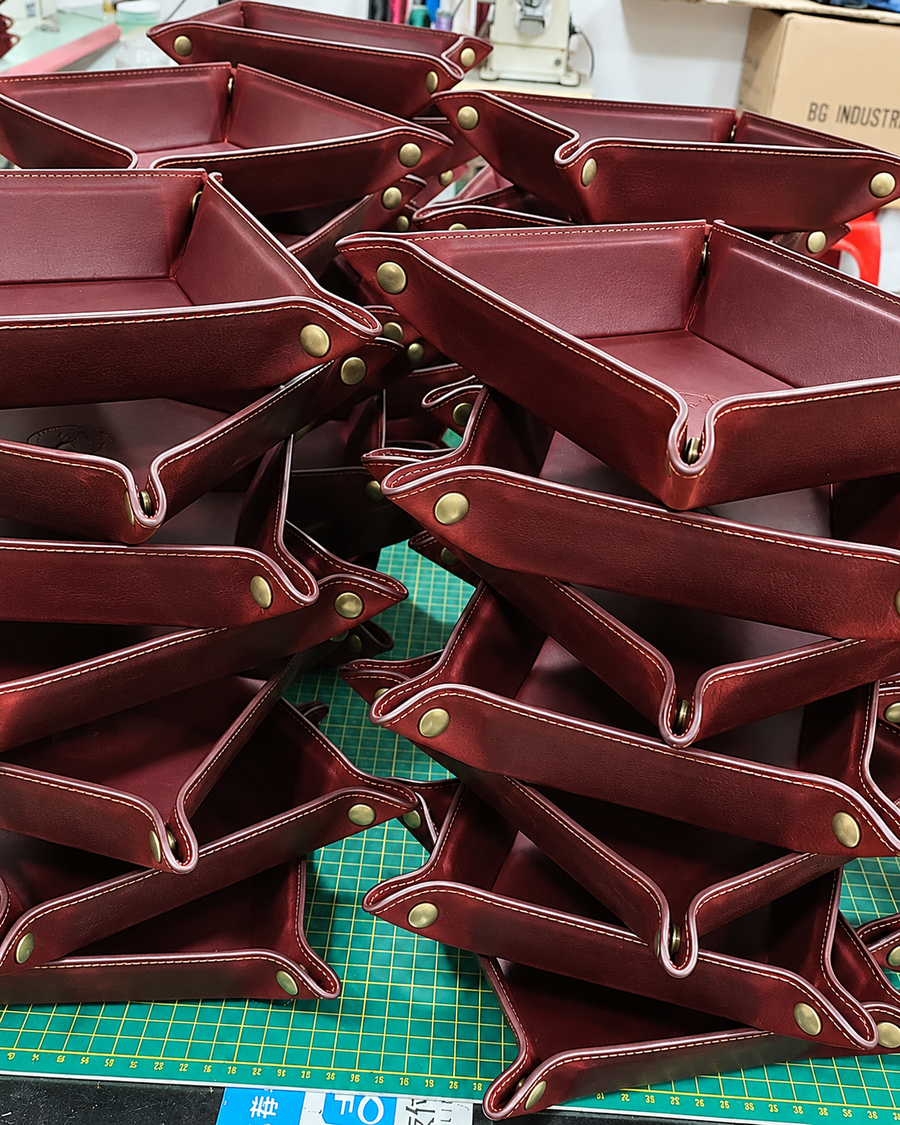
View the Modest Vintage Player project.
Consider contact between the product and packaging
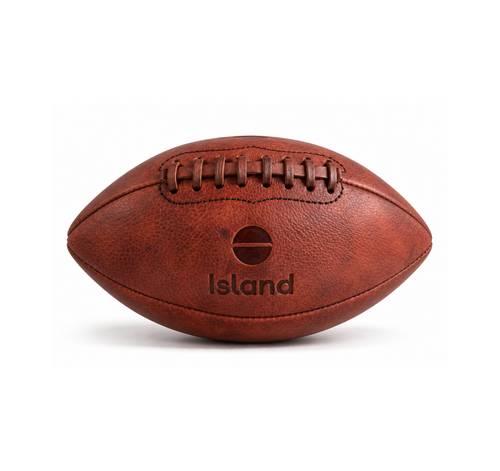
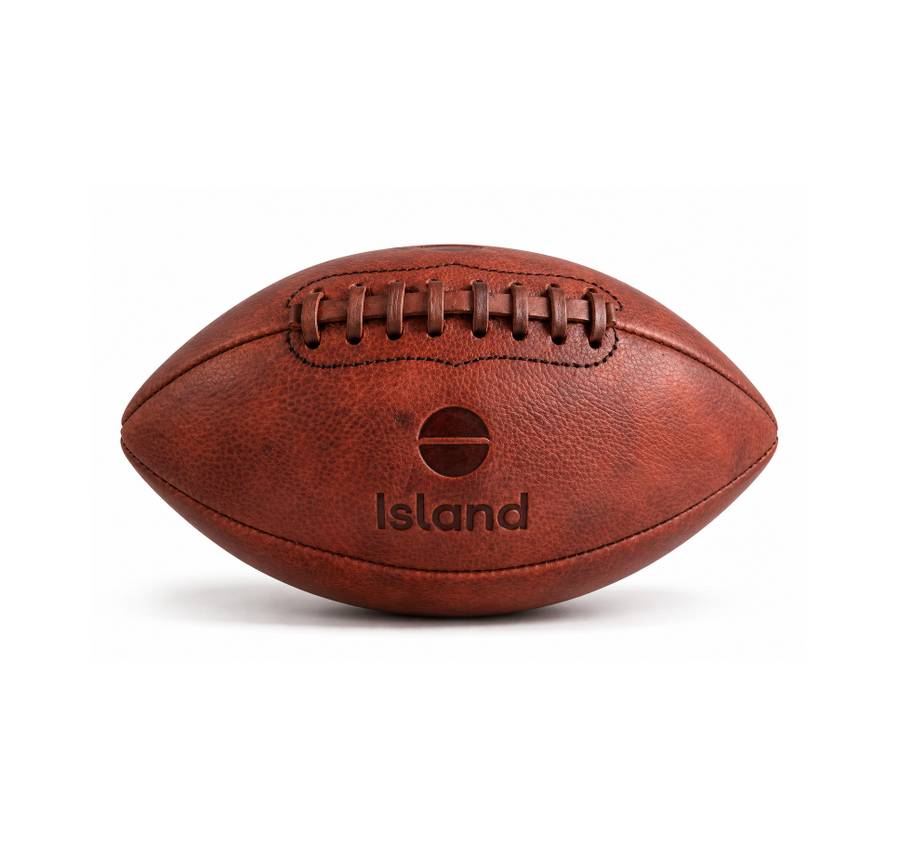
Review every material touching the gift, including liners, sleeves, tissue, inserts and any printed surfaces. Ask whether the proposed contact materials are compatible with the actual product finish during the expected storage and delivery conditions. Do not assume that a premium-looking liner is automatically appropriate for every leather or printed mark. A rounded object such as the Island American football illustrates the need to assess movement and resting points. The packaging should hold the piece in the agreed orientation without placing unnecessary pressure on seams or artwork. If transport testing or other verification is needed, define that requirement rather than judging protection from a styled photograph.
Decide whether a carrier is part of the gift
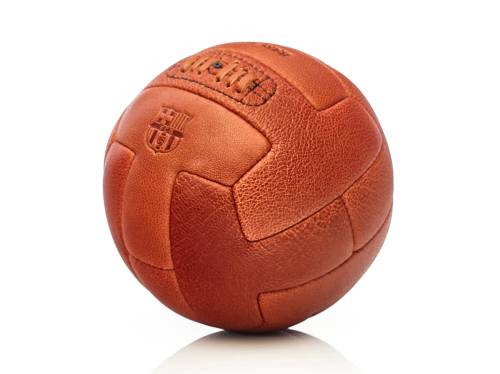
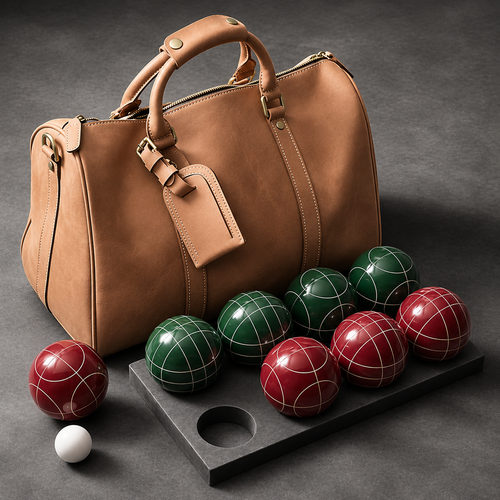
A reusable bag can be a product in its own right, not merely an alternative box. The FC Barcelona football-and-duffel project demonstrates a coordinated carrier and sporting piece. In a new corporate brief, decide whether the bag is intended to be used after the event, to transport the contents during handover or simply to present a set. That purpose determines the questions to ask about size, access, lining, handles and care. A carrier does not remove the need for transit protection, and a fitted box should not be assumed necessary when another presentation format better suits the occasion. Compare options against the real handover rather than adding layers for their own sake.

View the FC Barcelona project.
Keep the recipient message clear and proportionate
A gift can include the organisation's identity, an event name and a personal message without covering every surface in artwork. Agree the hierarchy: the product's main brand, any sponsor or partner marks and the wording addressed to the recipient. A card can carry contextual information that would be excessive on the product itself. Provide approved artwork and final text, including names and dates where relevant. Identify which details vary by recipient and how those variations will be checked. Review legal or internal policy wording with your organisation where needed; the product maker should not be expected to decide what a recipient is permitted to accept.
Approve the whole presentation, not disconnected parts
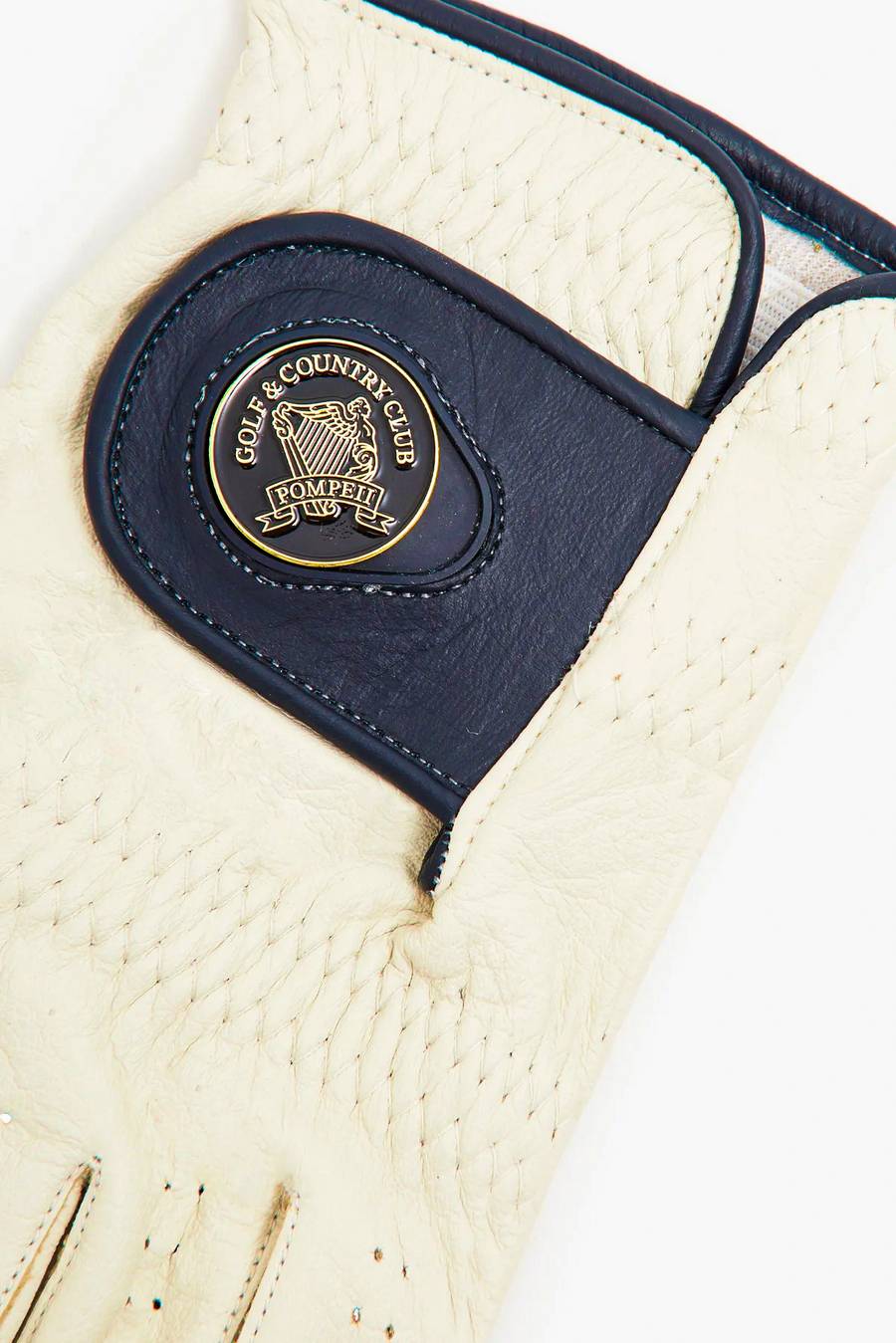
The Pompeii glove and marker detail is a reminder that small components can be important to the gift experience. If a set includes an accessory, confirm that it is included in the packing list, remains protected and is easy for the recipient to find. An attractive closed box can conceal an incomplete or awkwardly arranged set. Review an assembled example with the intended product, artwork and packing materials together. Walk through opening, removal and repacking. Record accepted substitutions and any unresolved items. If the presentation changes after product approval, check the fit again rather than assuming that an earlier insert will still work.
Plan event handling and individual delivery separately
For an event, specify when the gifts need to be ready for staff assembly or handover—not only when they arrive at the venue. Confirm the packing list, delivery location and who can receive the shipment. For individual delivery, discuss destination requirements and who is responsible for collecting recipient information; avoid putting unnecessary personal details into product artwork files. Read our client appreciation gift guide when choosing the product itself. Packaging should support that choice and the recipient's circumstances, not compensate for a gift that has no clear connection to the occasion.
- Identify the product, presentation format and expected delivery journey.
- Confirm finished dimensions and all included accessories.
- Review contact materials, movement restraint and protection requirements.
- Supply final artwork, recipient text and a checking process.
- Approve a complete assembled presentation and packing list.
Do luxury sporting gifts always need a rigid box?
No. A carrier, sleeve or other agreed format may suit the product and occasion better. Presentation and protection should be reviewed separately, then combined in a practical packing plan.
Can bespoke packaging guarantee safe international delivery?
No packaging promise should be inferred from appearance alone. Discuss the delivery journey, product vulnerabilities and any required verification for the agreed packed configuration.
Start your project
Explore our corporate gifting events completed work and share a project brief with your organisation, intended use, product direction, indicative quantity, delivery country and target date. MVP Bespoke will review the materials, branding, sample approach and packaging against your particular brief.