Approving a Pre-Production Sample: A Checklist for Private-Label Sporting Goods Buyers
Review a pre-production sporting-goods sample against materials, dimensions, construction, branding, packaging and a clear written approval record.
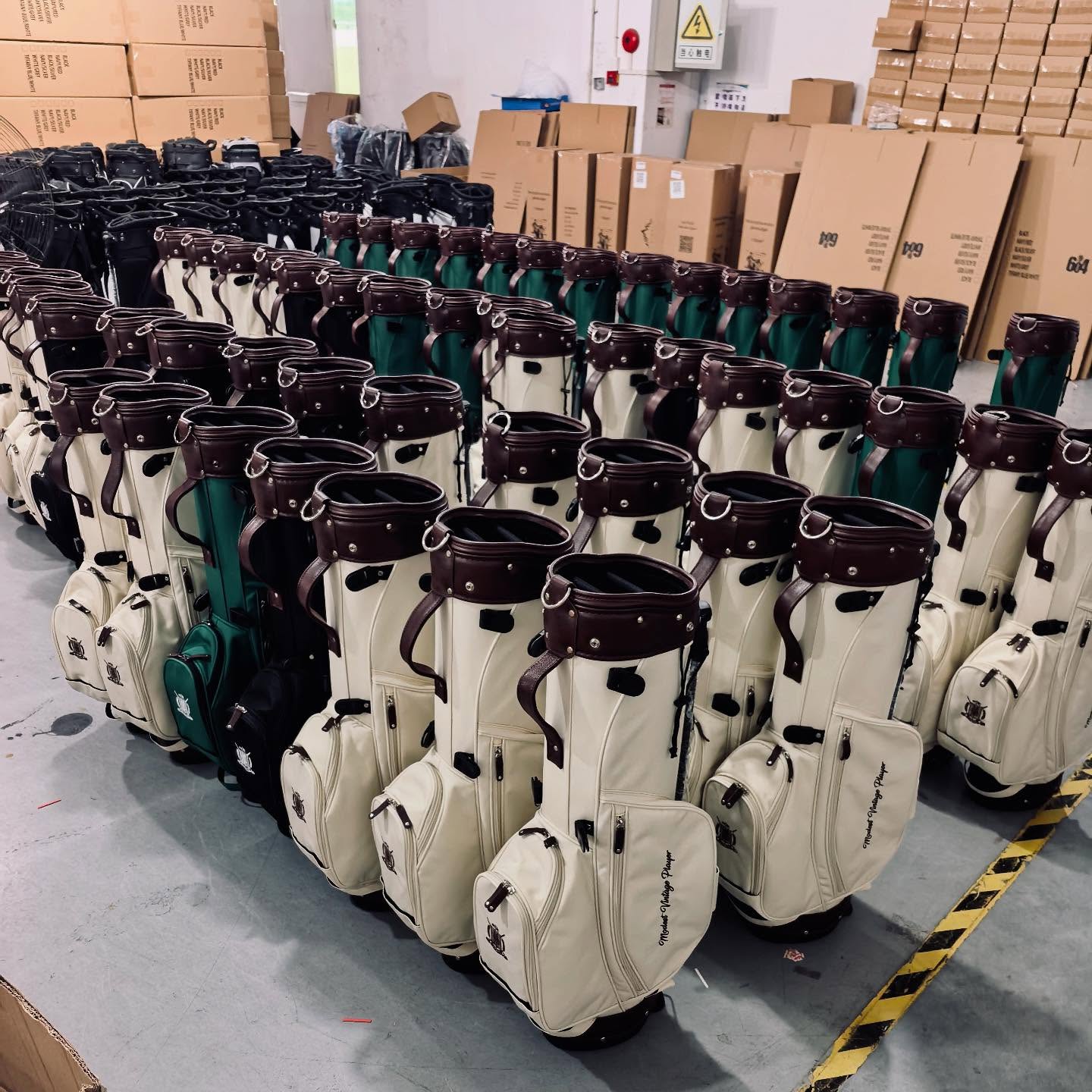
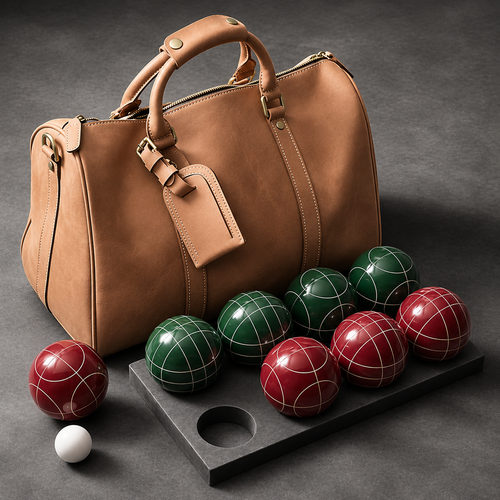
A pre-production sample is a representative physical reference reviewed before the agreed production release. For private-label sporting goods, approval should cover materials, dimensions, construction, branding, intended use and packaging—not just whether the sample looks attractive. The exact sample stages and release process need to be agreed for the particular project. This checklist helps retail buyers organise that review. It is not a substitute for a product-specific specification, required testing or specialist compliance advice. The images are completed MVP Bespoke projects used to illustrate the kinds of details buyers should inspect; they are not records of the sample approval for a new order.
Establish which version you are reviewing
Give the sample a clear product reference and specification version. Record whether it is a development prototype, a material reference or the sample proposed as the production benchmark. A visually convincing early prototype may use substitute materials or unfinished branding, so do not treat every sample as ready for unconditional approval. Keep the drawing, material list, artwork and packing specification together. Identify any differences between those documents and the item in front of you before reviewing individual details. If a requirement is unresolved, assign an owner and a decision rather than letting it disappear into a general comment such as looks good.
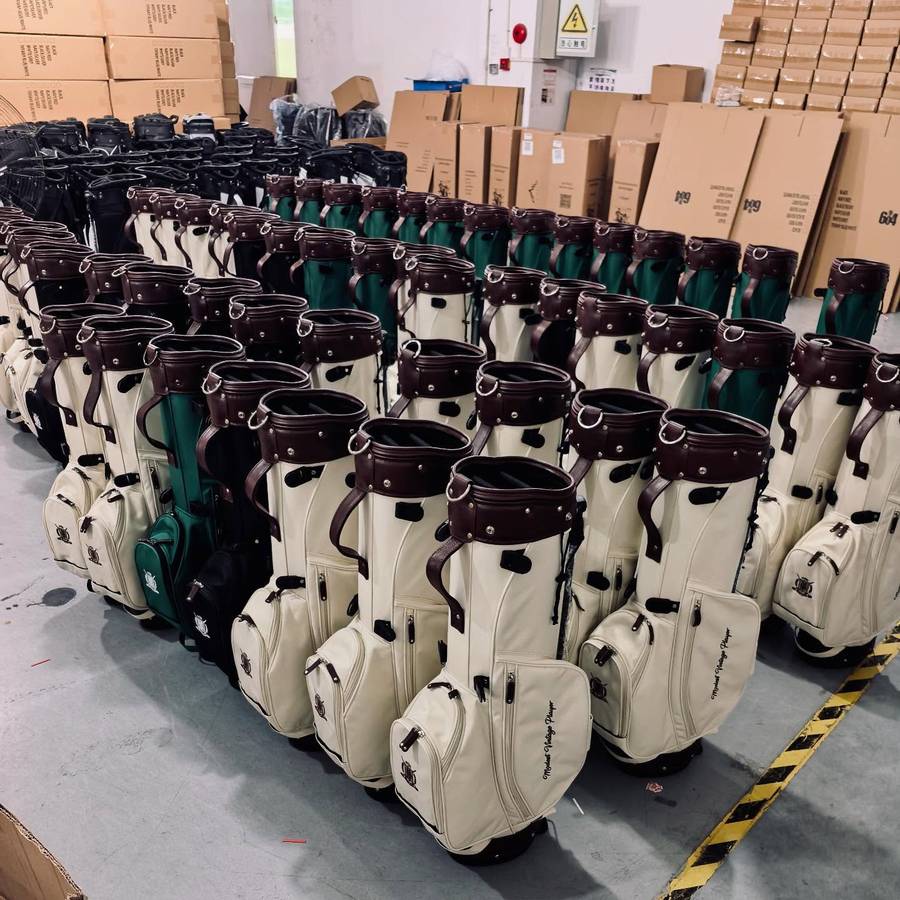
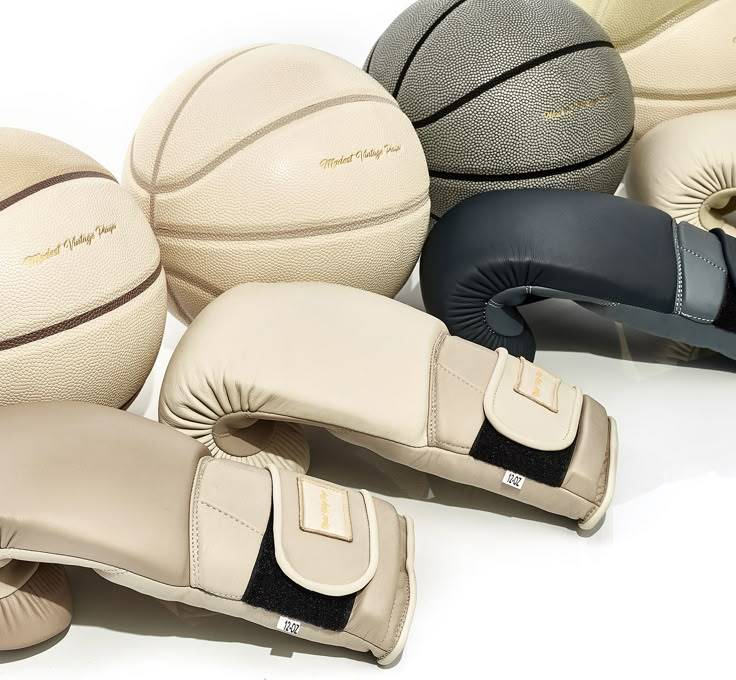
View the Modest Vintage Player project.
Compare materials with the agreed references
Check the specified leather or textile, colour, surface finish, lining and hardware against the approved references. Review the sample in ordinary lighting and by touch where relevant. A screen photograph may help communicate a question, but it cannot reliably establish colour, grain or handfeel on its own. Record any substitutions explicitly. If the sample uses a different lining, trim or branding panel from the intended production version, state what remains to be approved. The SSENSE gloves-and-basketball collection offers a reference for coordinating different formats; it does not mean that a single material sample confirms every item within a new capsule.
Measure the points that matter to the product
Use the measurement points and method agreed in the specification. A bag, glove and ball need different measurements, and an undefined overall size can hide important differences. Record results against the agreed tolerances rather than inventing acceptance limits after the sample arrives. Separate appearance checks from functional requirements. If the product is intended for active use, identify the relevant tests or evidence and who is responsible for them. A sample with the correct visual proportions is not automatically a verified performance product. Do not add regulation, certified or competition-ready claims without the necessary product-specific basis.
Inspect seams, panels and repeatable details
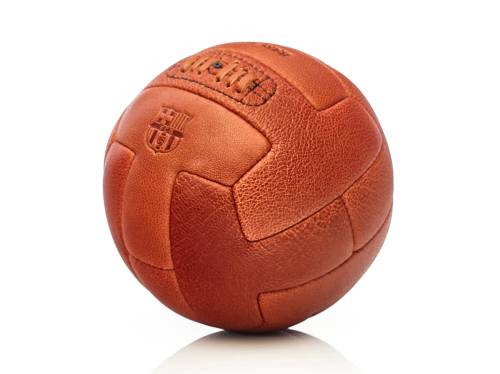
Review alignment, stitching, edges, closures and the points that receive load or repeated handling. Note the locations of concerns with clear photographs and references rather than vague comments. Ask which corrective changes need another sample and which can be resolved through agreed component or production evidence. The Zara Home soccer-ball view illustrates why panel arrangement and artwork need to be reviewed together. Check the finished piece from several angles. An approved front view does not answer whether the reverse, seams or resting orientation match the intended design.

Operate closures and carrying components
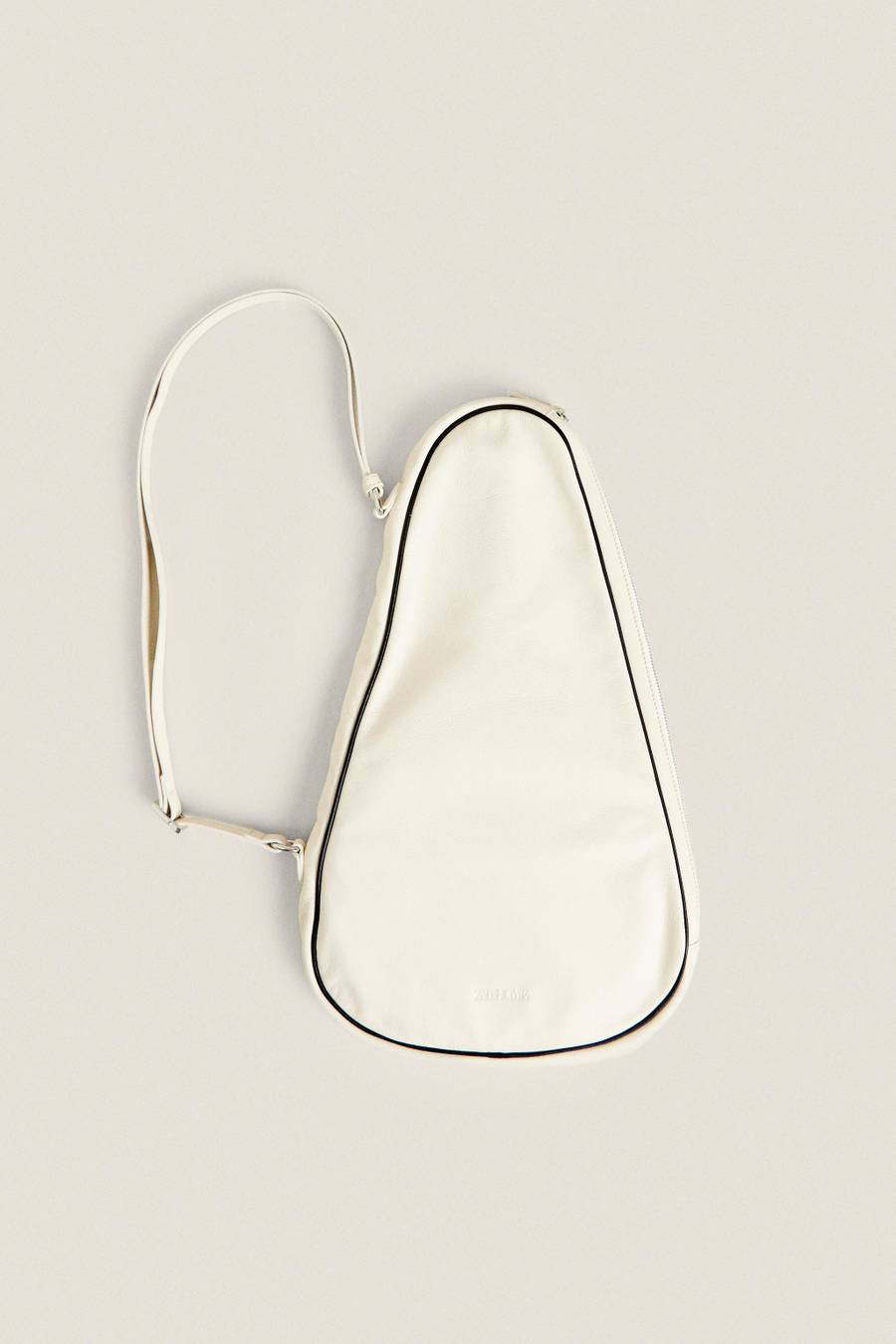
For bags, inspect access, lining, handles, straps and the relevant closures against the written brief. Review the configuration in which the product is intended to be used. If fit with another object matters, agree what should be checked and with which representative contents rather than assuming capacity from a drawing. The Zara Home padel bag provides a construction reference for a specialised carry format. A buyer reviewing a new sample should identify which details are cosmetic and which affect use. Required loading or performance checks should be agreed with the supplier and appropriate specialists; casual handling is not a substitute for defined verification.
Verify every mark and information element
Check the artwork version, spelling, logo dimensions, placement and application method. Inspect care labels, product descriptions and packaging text as well as the main exterior mark. Make sure intended-use wording matches the agreed product and that claims are supported rather than copied from a broader category description. If several variants are being ordered, identify which sample covers which variation. A single approved colour or size does not automatically confirm all others. Read our leather branding guide for the questions that arise when approving relief, printed or foil finishes.
Review the packed product and all included components
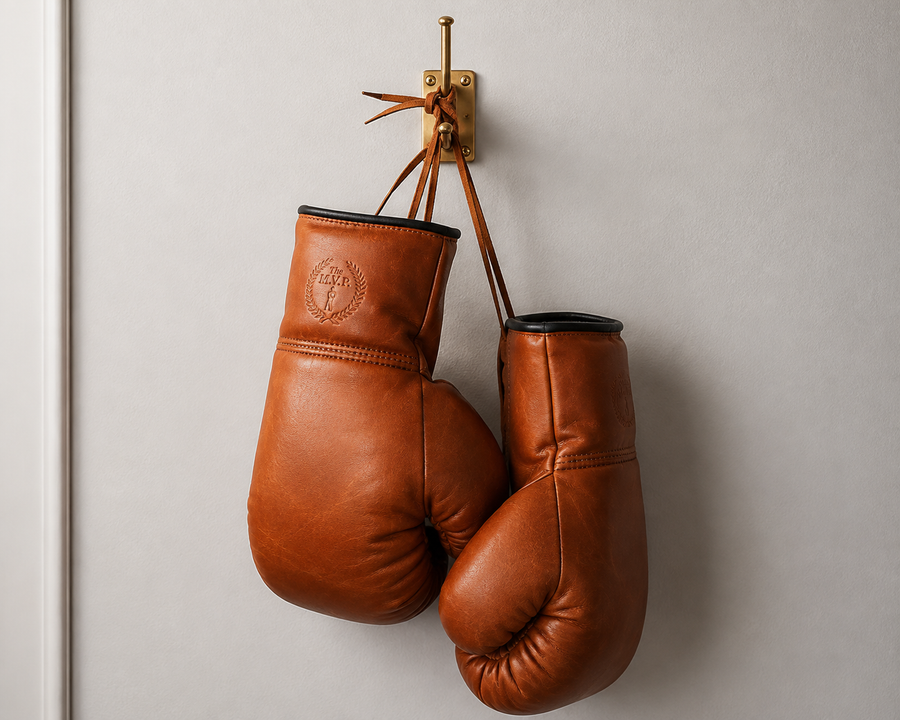
A product may pass appearance review but still be poorly presented or incomplete when packed. Confirm the packing list, accessories, care information and orientation. Inspect the proposed contact materials and protection, and agree any transport verification required for the intended delivery journey. The CB2 glove image below is a finished-product reference, not a packaging approval. Review the actual assembled pack for your project. Our gift packaging guide explains why presentation materials and shipping protection need separate decisions.
Write a decision that production can follow
Conclude with a dated record that identifies the product, sample, specification and approver. State whether the sample is approved, held pending changes or approved only within a clearly defined scope. Do not leave conditions hidden in an email thread while the headline approval suggests everything is settled. Retain photographs and, where agreed, a reference sample. Record accepted variation and the method for handling later changes. If the supplier proposes a different material or component after approval, review the effect on appearance, use, branding and packing rather than assuming the original decision still applies.
- Identify the sample stage and controlling specification version.
- Record materials, colour references and any substitutions.
- Check agreed dimensions, construction and functional requirements.
- Verify artwork, labels, variants and all included components.
- Review the assembled packing and required verification evidence.
- Issue a clear decision with conditions and unresolved items visible.
Is a sample photograph enough for approval?
It can support some visual decisions, but it cannot establish every material, fit or construction detail. Agree a review approach proportionate to the product and its intended use.
Does approving a sample replace quality checks on production?
No. It establishes a reference within the agreed process. Production inspection, testing and acceptance requirements still need to be defined for the commission.
Start your project
Explore our premium retailers completed work and share a project brief with your organisation, intended use, product direction, indicative quantity, delivery country and target date. MVP Bespoke will review the materials, branding, sample approach and packaging against your particular brief.